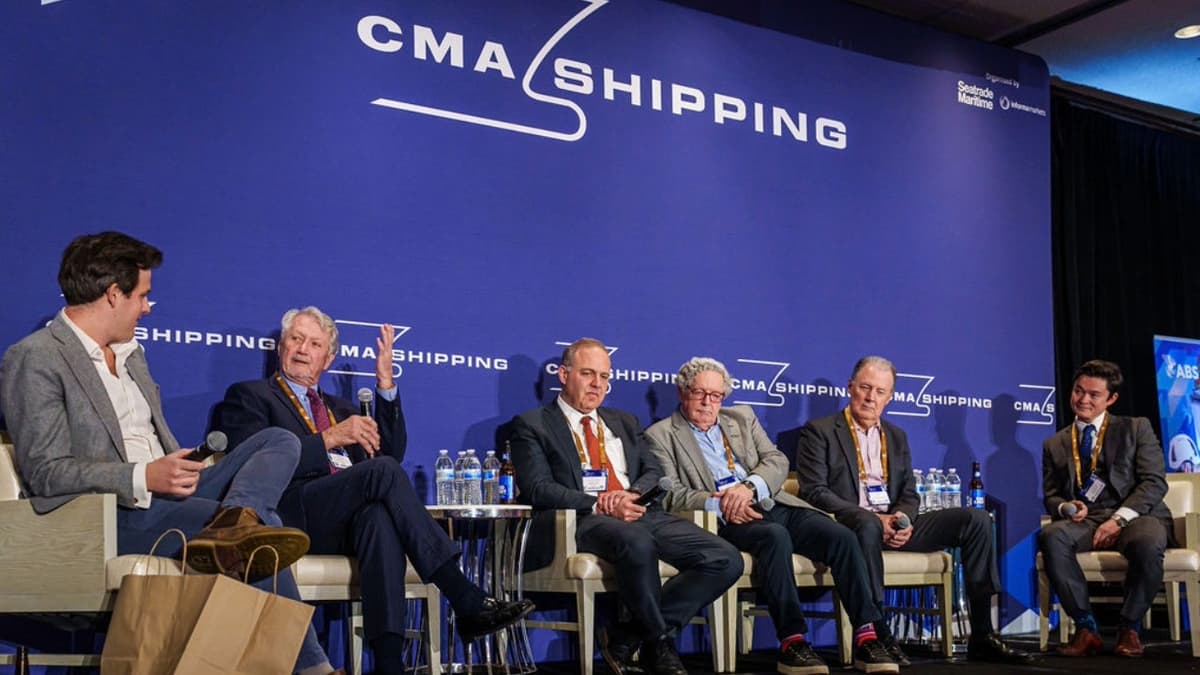
Navigating the Future: Financing, Innovation, and Sustainability in Global Shipping
Companies Mentioned
Why It Matters
The analysis pinpoints where capital, technology, and regulation will converge, shaping investment decisions and competitive dynamics for shipowners, financiers, and policymakers worldwide.
Key Takeaways
- •Shipping asset values fluctuate with geopolitics and economic cycles
- •Data analytics and predictive maintenance are critical for operational efficiency
- •Green technologies will drive competitiveness and regulatory compliance
- •US can lead maritime tech despite lagging shipbuilding capacity
- •Ethical risks in high‑risk zones demand stronger safety protocols
Pulse Analysis
The maritime industry’s financing landscape remains highly volatile, with asset valuations swinging in response to trade disputes, sanctions, and global economic cycles. This volatility creates a premium on flexible capital structures and robust risk‑management frameworks, especially for liner operators who face higher entry barriers than tanker or bulk carriers. Investors are increasingly scrutinizing cash‑flow resilience and franchise value, prompting a shift toward diversified fleets and strategic partnerships that can weather market downturns.
Technology is emerging as the decisive lever for profitability and compliance. Advanced data analytics enable real‑time route optimization and fuel‑consumption modeling, while predictive maintenance reduces unplanned dry‑dock time and extends vessel lifespans. Simultaneously, green initiatives—such as ammonia‑fuel retrofits and carbon‑capture systems—are moving from pilot projects to mainstream adoption, driven by stricter IMO regulations and customer demand for low‑carbon logistics. The United States, despite a shrinking domestic shipyard base, is leveraging its strong tech ecosystem and defense funding to become a hub for maritime digital solutions, offering a competitive edge to firms that source critical components domestically.
Policy and ethical considerations are reshaping operational decisions. Programs like the US Tanker Security Initiative incentivize compliance with safety standards, while the moral imperative to avoid high‑risk zones pressures owners to adopt stricter crew‑welfare protocols. Balancing these factors requires coordinated action between governments, insurers, and industry groups to ensure that growth does not come at the expense of safety or environmental stewardship. As the sector navigates these intersecting forces, firms that integrate financial discipline, innovative technology, and responsible practices will be best positioned to capture emerging market share.
Navigating the future: Financing, innovation, and sustainability in global shipping
Comments
Want to join the conversation?
Loading comments...