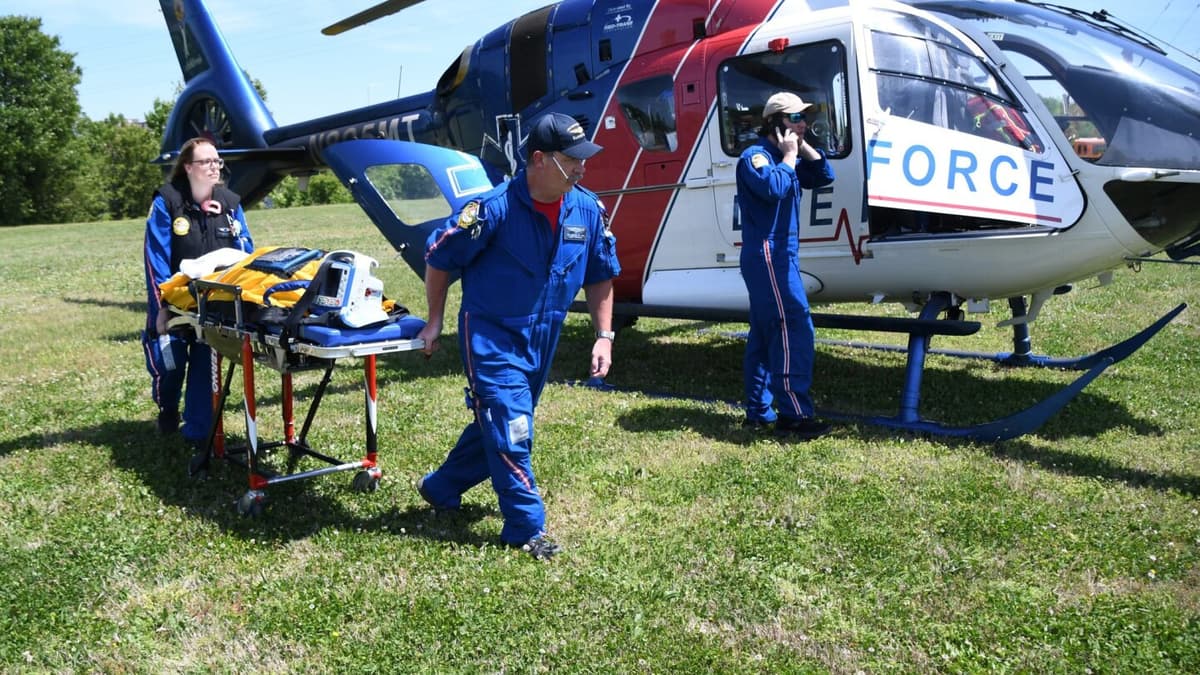
N.C. Sheriff's K-9 Airlifted After Medical Emergency in First Use of Tenn. Transport Program
Why It Matters
The incident validates a dedicated air‑medical solution for working dogs, cutting critical response times and preserving valuable law‑enforcement assets. It signals a shift toward specialized emergency care for K‑9 units across the United States.
Key Takeaways
- •First real‑world activation of Tennessee’s K‑9 air‑medical program
- •Luca’s ozone exposure caused acute lung injury, prompting rapid transport
- •LIFE FORCE equipped helicopters with canine‑specific medical gear and trained crews
- •Program offers cost‑free emergency transport for law‑enforcement dogs
- •Initiative inspired by 2017 K‑9 line‑of‑duty death, filling care gap
Pulse Analysis
Working dogs are integral to public‑safety agencies, performing drug detection, search‑and‑rescue, and suspect apprehension. Yet when a K‑9 suffers a serious injury, owners often face long ground trips to specialty veterinary centers, delaying critical care. Recognizing this gap, Erlanger LIFE FORCE Air Medical launched a dedicated K‑9 Transport Program in Tennessee, equipping its helicopters with canine‑specific life‑support equipment and training flight crews in veterinary emergency procedures. The initiative, partly motivated by the 2017 line‑of‑duty death of K‑9 Cain, aims to give police and military dogs the same rapid medical access afforded to human patients.
On April 21, a six‑year‑old Belgian Malinois named Luca was unintentionally exposed to concentrated ozone while crated inside a Clay County investigative building, resulting in acute lung injury and severe respiratory distress. After stabilization at a local clinic, Luca was sedated and air‑lifted by LIFE FORCE to the University of Tennessee College of Veterinary Medicine, cutting travel time from several hours by road to under an hour by air. The helicopter’s interior featured a temperature‑controlled crate, portable oxygen, and a veterinary‑grade monitor, allowing flight nurses to manage Luca’s airway and circulation en route.
The successful deployment demonstrates how specialized air‑medical services can safeguard valuable K‑9 assets, reducing downtime for law‑enforcement operations and potentially saving lives. As more jurisdictions learn of the program’s cost‑free model—funded by LIFE FORCE’s broader emergency‑response budget—other states may replicate the framework, creating a national network of canine‑focused air transport. In the long term, such capabilities could encourage agencies to invest more heavily in working‑dog programs, knowing that rapid, high‑level veterinary care is now within reach, ultimately strengthening public‑safety outcomes.
N.C. sheriff's K-9 airlifted after medical emergency in first use of Tenn. transport program
Comments
Want to join the conversation?
Loading comments...