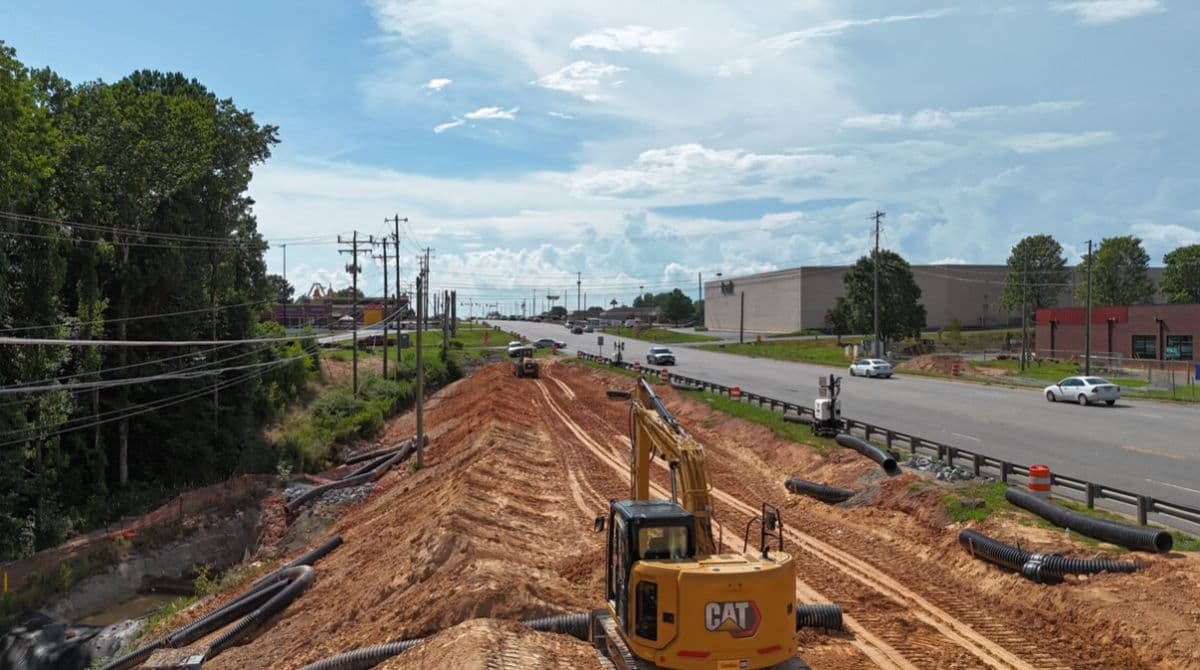
NCDOT's $249M Project Widens NC Hwy. 150
Why It Matters
By improving safety and capacity, the project supports economic expansion in the Charlotte metro area and reduces congestion‑related costs for commuters and freight.
Key Takeaways
- •Project adds 4 lanes, expanding I‑77 bridge to ten lanes.
- •Reduced‑conflict intersections cut crashes by up to 80%.
- •Bike lanes and multi‑use path improve regional active‑transport options.
- •Construction slated 2025‑2030, supporting Charlotte’s rapid population growth.
Pulse Analysis
The Charlotte region’s surge in residents—over 15,000 newcomers in a single year—has strained existing roadways, prompting the North Carolina Department of Transportation to invest $249 million in a comprehensive upgrade of Highway 150. Stretching from US 21 in Iredell to Greenwood Road in Catawba County, the corridor will accommodate higher traffic volumes while preparing for continued suburban expansion. By extending the I‑77 bridge and adding a new crossing over Lake Norman, the project creates a more resilient north‑south link that underpins regional mobility and long‑term growth.
Beyond raw capacity, the plan emphasizes safety through reduced‑conflict intersections, which have demonstrated a 50 percent overall crash reduction and an 80 percent drop in frontal‑impact collisions in prior North Carolina studies. Upgraded traffic signals, dedicated right‑turn lanes, and a multi‑use path with bike lanes further separate vehicle movements from pedestrians and cyclists, aligning the corridor with modern complete‑streets standards. The new ten‑lane I‑77 bridge, built in four phases, eliminates bottlenecks at left‑turn points, promising smoother flow and shorter queue lengths during peak periods.
From an economic perspective, the five‑year construction window will generate thousands of jobs for local contractors such as Blythe Development and stimulate ancillary businesses in Mooresville’s dense commercial zone. The infrastructure boost also lowers freight delays, enhancing supply‑chain efficiency for manufacturers serving the Charlotte market. Although the project was delayed by disaster‑recovery funding after Hurricane Florence, its eventual launch signals a renewed commitment to long‑term investment in the state’s transportation network. Completion in 2030 is expected to deliver measurable reductions in travel time, emissions, and accident costs.
NCDOT's $249M Project Widens NC Hwy. 150
Comments
Want to join the conversation?
Loading comments...