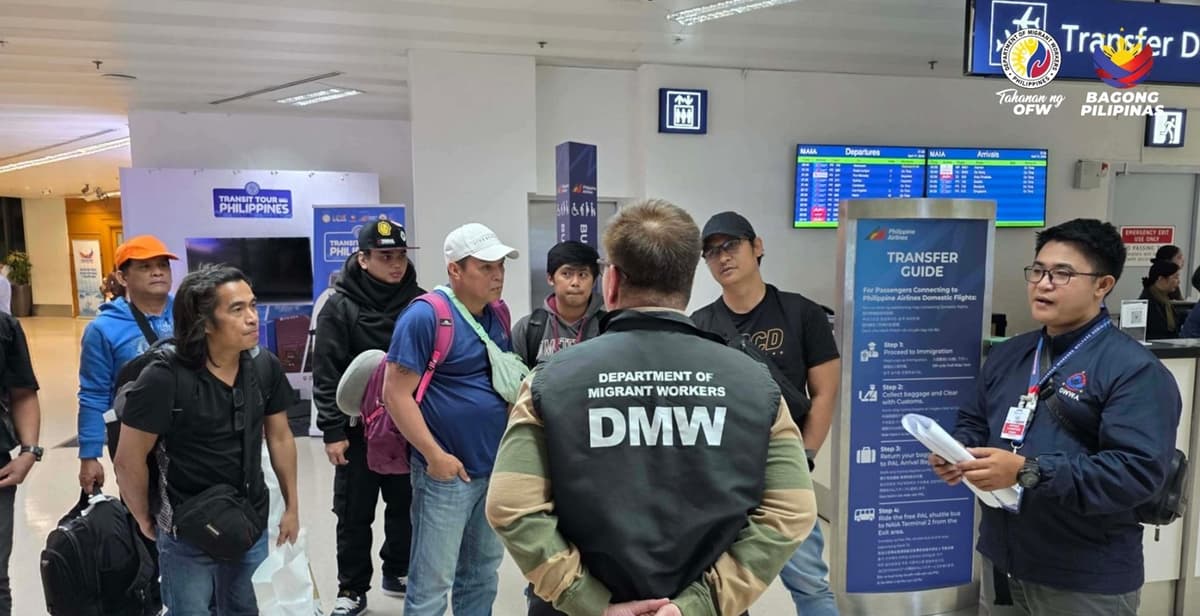
Nearly 1,200 Filipino Seafarers Have Exited the Strait of Hormuz
Why It Matters
The safe passage shows that coordinated diplomatic and industry actions can reduce crew risk amid heightened Middle‑East tensions, preserving a critical labor pool for global shipping.
Key Takeaways
- •Close to 1,200 Filipino seafarers exited Gulf since Feb 28 conflict
- •36 crew left on bulk carrier Omicron Nikos and super‑yacht Nord
- •800 crew were on five cruise ships during April 17‑18 reopening
- •DMW actively monitors vessel routes and supports seafarer families
Pulse Analysis
The Strait of Hormuz remains one of the world’s most contested maritime chokepoints, funneling roughly a fifth of global oil shipments and countless container loads each day. Filipino seafarers, who constitute the largest overseas workforce in the shipping sector, are especially vulnerable when geopolitical flashpoints flare. Since Iran’s closure of the waterway on Feb 28, 2026, the Philippines Department of Migrant Workers (DMW) has been tracking the movement of its nationals, underscoring the strategic importance of crew safety for both national welfare and the broader supply chain.
Recent AIS data from Pole Star Global confirmed that the Liberian‑flagged bulk carrier Omicron Nikos and the Russian‑flagged super‑yacht Nord successfully transited the strait on April 24 and 25, respectively, carrying a combined 36 Filipino crew members. These vessels join a cohort of five cruise ships that navigated the strait during a short window of openness on April 17‑18, accounting for roughly 800 of the near‑1,200 seafarers who have now exited the Gulf. The DMW’s real‑time monitoring and its coordination with manning agencies and shipowners illustrate a proactive approach to mitigating risk in a volatile region.
Looking ahead, the safe evacuation of Filipino crews signals that robust diplomatic engagement and industry vigilance can preserve maritime labor flows even when tensions rise. Shipping companies are likely to factor such monitoring mechanisms into their risk‑management playbooks, while the Philippine government may leverage these successes to negotiate better protections for its workers abroad. As the Middle East remains a flashpoint, the ability to move crews securely will be a key competitive advantage for operators seeking uninterrupted access to critical trade routes.
Nearly 1,200 Filipino seafarers have exited the Strait of Hormuz
Comments
Want to join the conversation?
Loading comments...