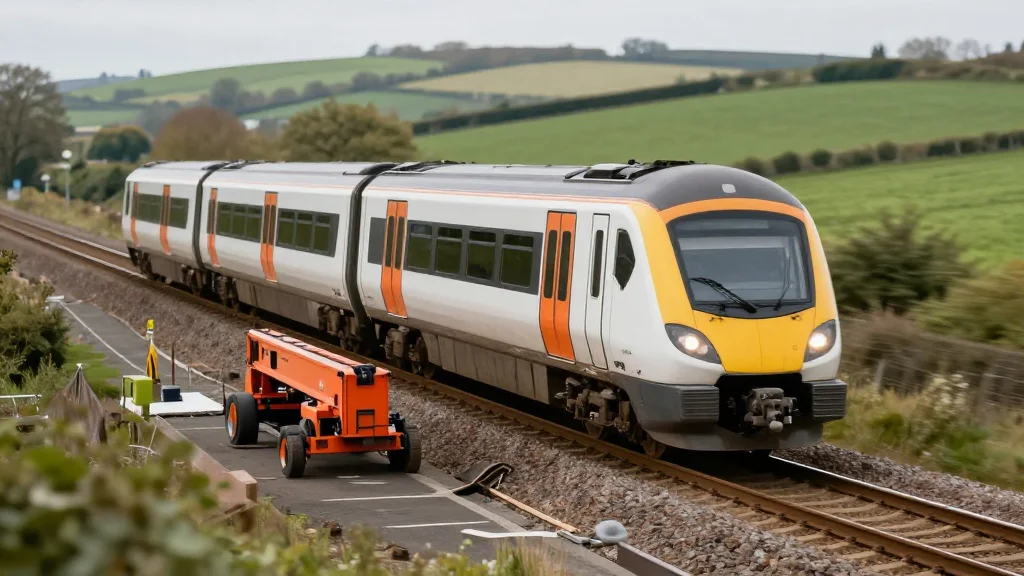
Network Rail Carrying Out £140.5M of Engineering over May Bank Holidays
Companies Mentioned
Why It Matters
The upgrades address ageing infrastructure and flood‑prone assets, boosting long‑term reliability and capacity. Minimising future disruptions supports commuter confidence and freight efficiency across Britain’s rail backbone.
Key Takeaways
- •£140.5M (£≈$178M) of upgrades scheduled over May bank holidays.
- •East Coast Main Line and TransPennine routes face bus replacements.
- •Drainage, signalling, and track renewals aim to cut flood and landslip risks.
- •Most services remain open; passengers urged to check schedules.
Pulse Analysis
Network Rail is leveraging the relatively low passenger volumes of the May bank holidays to accelerate a £140.5 million (about $178 million) engineering programme. By clustering work on weekends that see fewer commuters and freight movements, the operator can tackle projects that would be impractical during regular weekdays, such as extensive track renewals, signalling overhauls, and flood‑mitigation works. This strategy mirrors a broader industry trend of using off‑peak windows to compress project timelines and reduce overall disruption.
The schedule targets several high‑traffic corridors. In the east, the East Coast Main Line will see junction renewals, drainage upgrades, and landslip stabilisation, while the TransPennine Route Upgrade begins electrification and bridge construction. Southern London’s signalling and footbridge works will temporarily close Charing Cross and Cannon Street, and the Great Western Main Line’s Severn Tunnel area will undergo power‑supply and track enhancements. Rail‑replacement buses will operate on affected sections, including York‑Darlington and Newport‑Bristol Parkway, ensuring continuity for passengers.
Long‑term, these interventions aim to fortify the network against climate‑related risks and capacity bottlenecks, delivering more reliable service for commuters and freight operators. By pre‑emptively addressing flood‑prone drainage and ageing assets, Network Rail hopes to lower the frequency of unscheduled delays, supporting economic productivity across the UK. Travelers should proactively check service updates and plan for possible longer journeys, but the overall benefit will be a more resilient rail system capable of meeting future demand.
Network Rail carrying out £140.5M of engineering over May bank holidays
Comments
Want to join the conversation?
Loading comments...