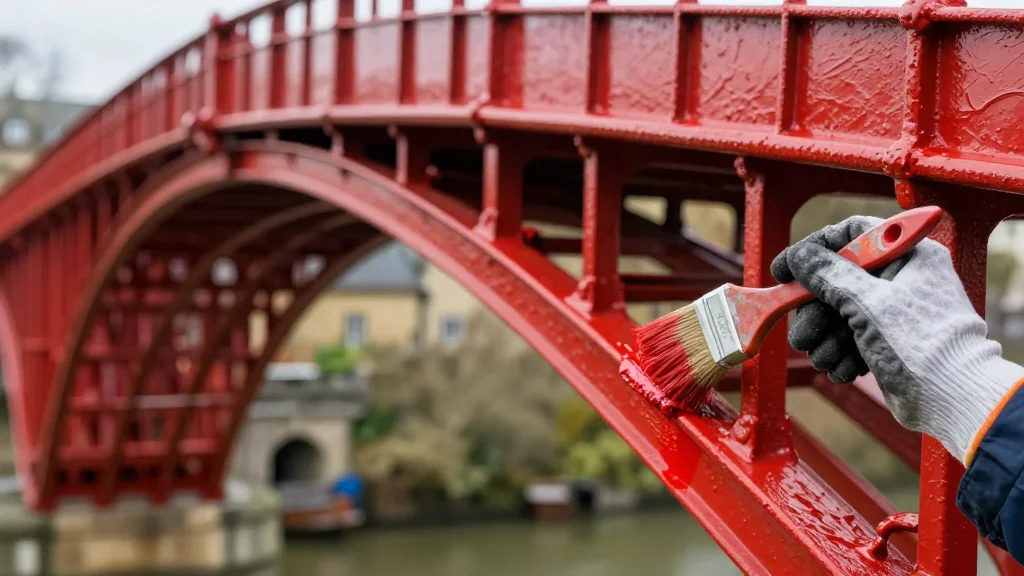
Network Rail to Restore Two Brunel-Designed Historic Landmarks
Companies Mentioned
Why It Matters
Preserving these iconic Victorian engineering works safeguards cultural heritage while demonstrating Network Rail’s commitment to sustainable infrastructure stewardship.
Key Takeaways
- •Restoration begins April 13, lasting roughly two months.
- •Sydney Gardens bridge receives full deck replacement and repaint.
- •Box Tunnel eastern portal will be surveyed and repaired.
- •Scaffolding installed during weekend closures in April, May.
- •Projects align with other track renewal and drainage upgrades.
Pulse Analysis
Isambard Kingdom Brunel’s engineering feats continue to shape Britain’s rail network, and the two structures slated for restoration are emblematic of that legacy. The Sydney Gardens footbridge, erected in 1841, is the sole surviving cast‑iron pedestrian bridge on the historic Great Western Main Line, while the eastern portal of Box Tunnel marks one of the nation’s earliest railway tunnels. Both are Grade II listed, a designation that protects them as nationally important architectural and historic assets. Restoring these monuments not only prevents irreversible decay but also reinforces the cultural narrative that links modern rail travel to its Victorian roots.
Network Rail has embedded the heritage work within its wider asset‑management programme, timing the interventions to coincide with planned weekend line closures between Bath Spa and Chippenham. By bundling the footbridge overhaul with track renewal at Bathford and drainage improvements in Corsham, the operator reduces incremental costs and limits passenger inconvenience. The project’s budget, secured through a mix of public funding and contributions from heritage partners such as the Friends of Sydney Gardens, illustrates a collaborative financing model that balances preservation with operational efficiency. The coordinated schedule also frees engineering crews to address multiple critical tasks in a single deployment.
The restored landmarks are expected to boost local tourism and community pride, as the gardens and tunnel attract rail enthusiasts and casual visitors alike. Enhanced visibility of Brunel’s work can stimulate ancillary economic activity in Bath and the surrounding Somerset region, reinforcing the argument that heritage investment yields tangible returns. Moreover, the successful execution sets a precedent for future rail‑heritage projects across the UK, encouraging other infrastructure owners to adopt similar integrated maintenance approaches. As climate resilience and digital upgrades dominate rail agendas, preserving historic structures ensures that progress does not erase the engineering achievements that made the network possible.
Network Rail to restore two Brunel-designed historic landmarks
Comments
Want to join the conversation?
Loading comments...