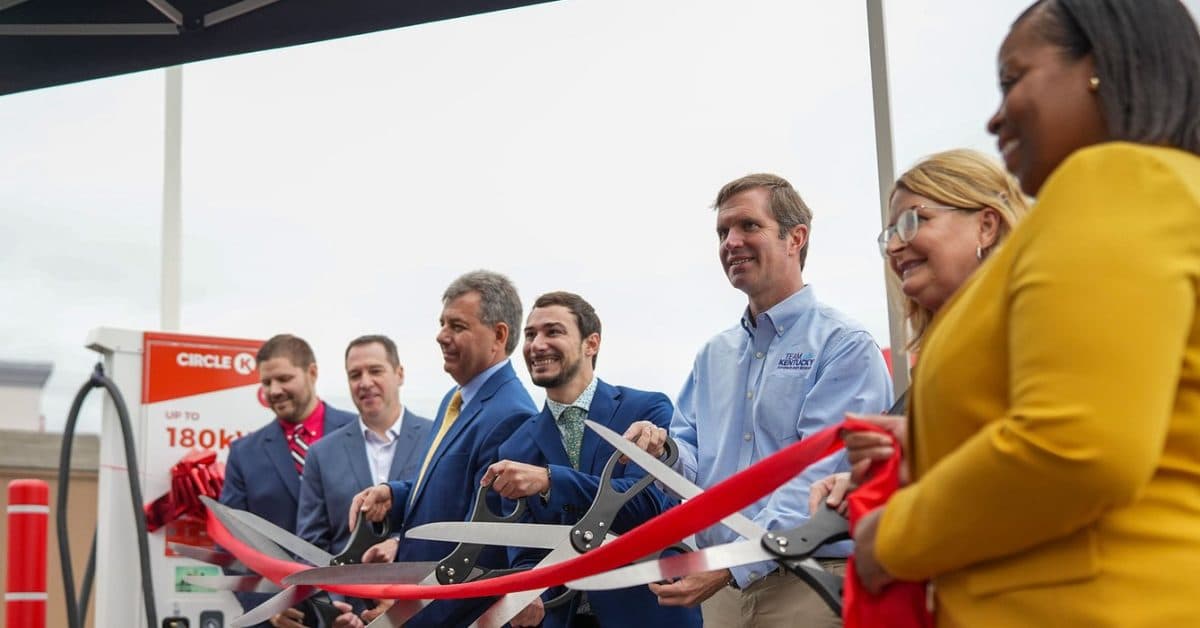
NEVI EV Charger Rollout Sped up in 2025, Still Not Fast Enough Due to Roadblocks
Companies Mentioned
Why It Matters
Accelerated NEVI deployment is critical to expanding EV access, reducing reliance on gasoline, and meeting state climate targets, while lingering federal roadblocks risk leaving billions of dollars idle.
Key Takeaways
- •NEVI stations grew from 26 to 96 in 2025
- •96.6% of NEVI funds remain unspent
- •Pennsylvania, Ohio, New York, Texas lead deployments
- •DOT delays and rule changes hinder fund disbursement
- •States with climate goals obligate funds faster
Pulse Analysis
The National Electric Vehicle Infrastructure (NEVI) program represents the centerpiece of the United States’ strategy to build a nationwide EV charging network. Enacted through the 2021 Infrastructure Investment and Jobs Act, NEVI earmarks $5 billion for state‑level charger projects, while the companion Charging and Fueling Infrastructure (CFI) program adds another $2.5 billion. A key provision ties federal dollars to multi‑standard charging capability, prompting Tesla’s North American Charging Standard (NACS) to become the de‑facto universal connector. This policy alignment is expected to simplify the consumer experience and lower hardware costs, laying the groundwork for broader EV adoption.
In 2025, the rollout finally gained momentum after a sluggish start. The Sierra Club’s latest analysis shows operational NEVI stations climbing from just 26 in January to 96 by December, with Pennsylvania, Ohio, New York and Texas posting the highest counts. However, the report also highlights a stark funding paradox: despite billions being available, roughly 96.6% of the budget remains unspent. Federal interference—most notably the Department of Transportation’s illegal pause on disbursements and a proposed 100% U.S.-made parts requirement—has compounded delays, while partisan moves to trim or claw back allocations threaten to further erode state‑level progress.
The implications for the EV market are profound. Unused federal dollars translate into missed opportunities for job creation, grid modernization, and emissions reductions. States that have embraced climate targets are already moving faster to obligate funds, underscoring the importance of political will. Industry experts recommend a coordinated approach: stronger gubernatorial leadership, rapid fund obligating, utility partnerships, and infrastructure designed for higher charging speeds and grid services such as stationary storage. Accelerating NEVI deployment not only supports the Biden administration’s climate agenda but also positions the United States to compete globally as EV demand surges.
NEVI EV charger rollout sped up in 2025, still not fast enough due to roadblocks
Comments
Want to join the conversation?
Loading comments...