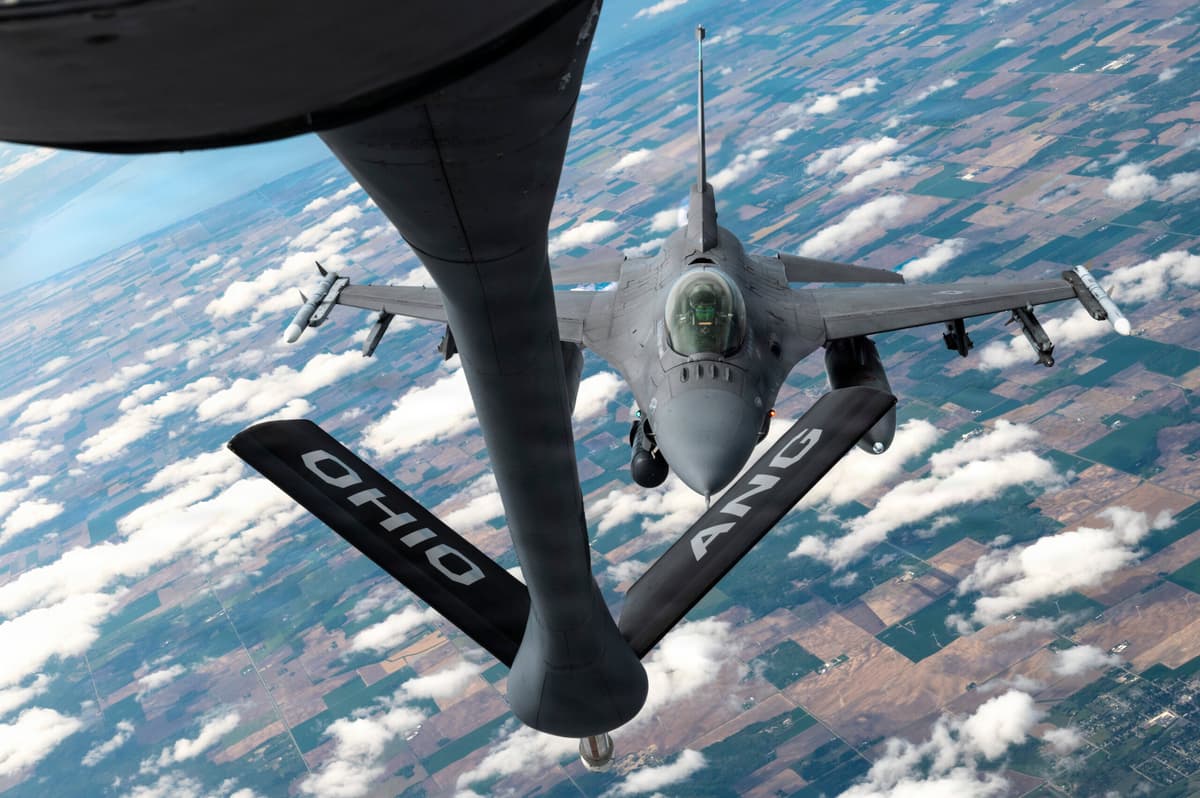
New Aviation Mishap Task Force to Examine ‘Concerning’ Rise in Incidents
Why It Matters
Rising mishap rates threaten warfighter readiness and increase costly aircraft losses, making a coordinated safety response critical for the Department of Defense’s operational effectiveness.
Key Takeaways
- •Pentagon created Aviation Mishap Task Force on Jan. 15, 2024.
- •FY2024 recorded 54 Class A mishaps, highest since 2018.
- •Air Force and Army mishap rates peaked, then fell in 2025.
- •Task force to draft Aviation Safety Plan of Action with policy fixes.
- •Continuing resolutions threaten funding for flight hours and maintenance.
Pulse Analysis
The Pentagon’s new Aviation Mishap Task Force arrives amid a troubling spike in high‑severity aviation incidents, known as Class A mishaps, which surged to a six‑year peak in FY2024. With 54 incidents across the services—more than any year since 2018—the Department of Defense faced mounting pressure from lawmakers and senior leaders to diagnose underlying causes. By consolidating the Joint Safety Council, the task force aims to capture a Total Force perspective, pulling safety data from the Air Force, Army, Navy, and Marine Corps to pinpoint systemic risk factors, from maintenance discipline lapses to training shortfalls.
Data released by the services reveal that the Air Force and Army bore the brunt of the increase, posting their highest mishap rates per 100,000 flight hours in a decade. However, early 2025 figures show a reversal, with the Air Force logging its fewest Class A mishaps in ten years and the Army matching a ten‑year low. Preliminary 2026 numbers suggest the downward trend continues, underscoring the potential impact of recent safety initiatives such as the Air Force Safety Center’s Unit Risk Forecasting dashboard. Yet, the war in Iran has already destroyed 14 USAF aircraft this year, outpacing the decade’s average and highlighting the operational cost of combat‑related losses.
The task force’s mandate extends beyond data collection; it is tasked with delivering actionable policy recommendations that address funding volatility caused by continuing resolutions. These short‑term budget extensions have constrained line items for flight hours and maintenance, eroding readiness and safety culture. By shaping an Aviation Safety Plan of Action, the task force seeks to secure stable resources, refine training protocols, and introduce materiel solutions that safeguard both personnel and equipment. Successful implementation could reverse the recent mishap surge, enhance combat readiness, and set a precedent for data‑driven safety governance across the joint force.
New Aviation Mishap Task Force to Examine ‘Concerning’ Rise in Incidents
Comments
Want to join the conversation?
Loading comments...