New Border Control System Causing Long Delays for Travelers to Europe
Why It Matters
Lengthy border waits threaten to erode traveler confidence and could shave billions of dollars off Europe’s tourism earnings, pressuring governments to accelerate operational fixes.
Key Takeaways
- •EES rollout caused 3‑6 hour border waits in major EU airports
- •One‑third of surveyed travelers may skip Europe due to delays
- •Half of travelers unfamiliar with Schengen EES requirements, raising confusion
- •Staffing shortages and new biometric tech hinder smooth processing
- •Pre‑registration tools could cut wait times, experts say
Pulse Analysis
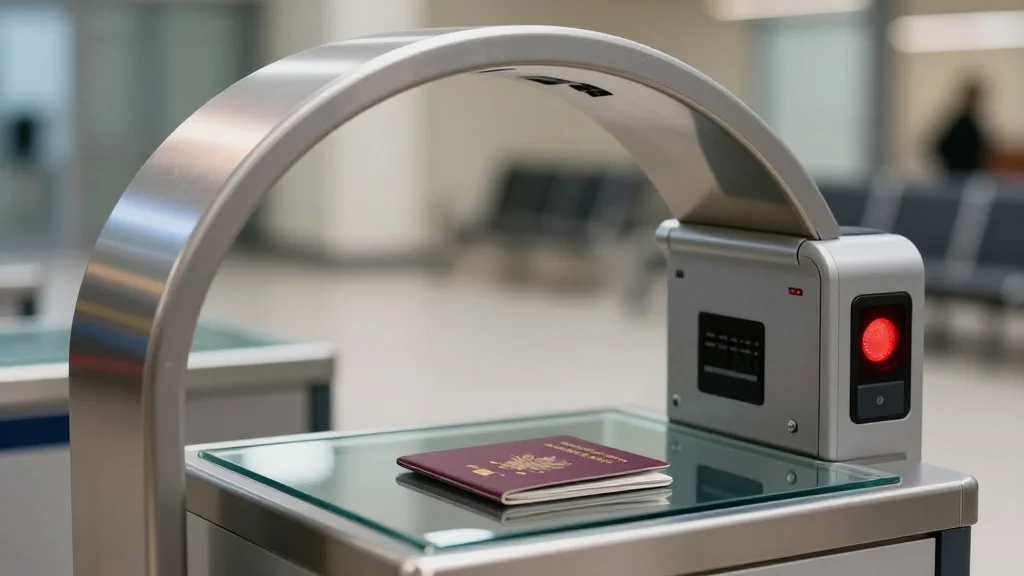
The European Union’s Entry/Exit System (EES) went live on April 10, replacing manual passport stamps with a centralized biometric database for all non‑EU entrants. Designed to strengthen security and streamline data sharing across the Schengen Area, the system requires travelers to register fingerprints and facial images at the point of entry. However, the initial rollout has exposed operational bottlenecks: airport staff are still learning the new software, hardware glitches persist, and many border posts lack sufficient personnel to handle peak‑season volumes. Consequently, wait times of three to six hours have become common at busy hubs such as Lisbon, Madrid, Brussels, Rome and Paris.
The prolonged queues are already reverberating through the tourism sector. A May 2026 survey by the World Travel & Tourism Council found that roughly one‑third of international travelers would be considerably less likely to visit Europe if they expected a three‑hour border delay, and half admit they do not understand the EES requirements. For a region that generated over €1 trillion (≈ $1.1 trillion) in tourism revenue last year, even a modest dip in visitor confidence could translate into billions of dollars lost, prompting industry leaders to sound the alarm.
Experts argue the bottleneck is not inevitable. Digital pre‑registration platforms, already used by airlines and visa services, can capture biometric data before arrival, shaving minutes off on‑site processing. Improved traveler communication—such as real‑time queue updates and clear signage—helps set expectations and reduce panic. Border authorities are also bolstering staffing levels and conducting rapid‑training drills to accelerate adoption. For travelers, the practical advice remains simple: arrive early, keep passports accessible, and consider using a reputable pre‑registration service. If these measures take hold, the EES could fulfill its promise of a smoother, more secure Schengen experience.
New Border Control System Causing Long Delays for Travelers to Europe
Comments
Want to join the conversation?
Loading comments...