New Chinese Entrant Into the Cape Sector
•February 27, 2026
0
Why It Matters
China’s entry into the capesize fleet adds a new competitive force that could reshape freight‑rate dynamics as global bulk‑commodity demand rebounds. The purchase underscores a strategic shift toward larger, older vessels that are currently undervalued, potentially tightening supply and supporting higher earnings for operators.
Key Takeaways
- •National Fortune Shipping Group bought two capesizes for $18.5M each.
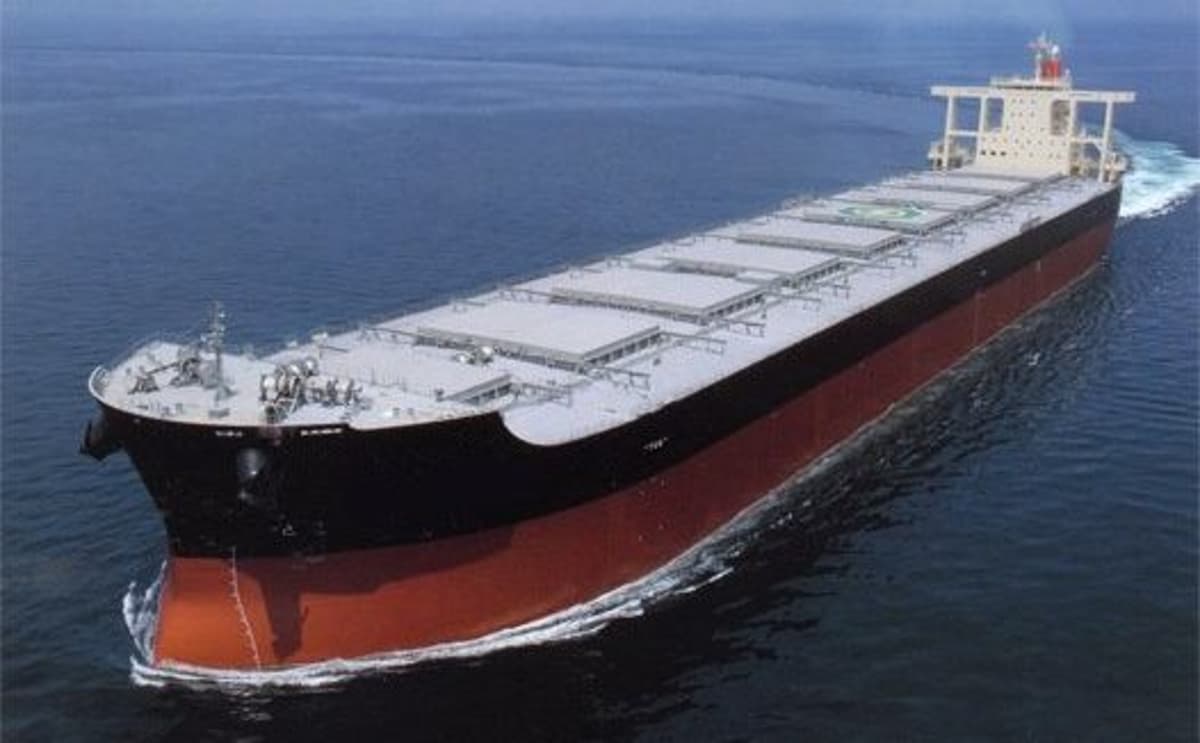
- •Vessels: 177,200 dwt Mikata and 185,900 dwt Ally, built 2005.
- •Purchase targets vintage capesize segment with renewed liquidity.
- •Entry marks China's first major capesize operator.
- •Tightening supply may boost freight rates in dry bulk market.
Pulse Analysis
The capesize market, defined by vessels over 150,000 deadweight tons capable of traversing the Panama Canal’s constraints, has become a bellwether for global commodity flows. Over the past year, tighter iron‑ore and coal supply chains have driven up freight rates, prompting shipowners to seek cost‑effective capacity. Chinese shipowners, traditionally focused on smaller bulk carriers, are now eyeing the high‑value segment to capture a share of the premium freight market, leveraging state‑backed financing and a strategic appetite for scale.
National Fortune Shipping Group’s purchase of the Mikata and Ally reflects a calculated entry into the vintage capesize niche. Both ships, built in 2005, sit at the sweet spot of age and residual value, allowing the buyer to acquire proven tonnage at $18.5 million per unit—a price point that reflects the current market’s liquidity premium. By securing these vessels from Turkish intermediaries linked to Klan Gemi Yonetimi, the Chinese firm sidesteps the longer lead times associated with new‑build orders, positioning itself to deploy capacity quickly as seasonal demand peaks.
The broader implications for the dry‑bulk sector are significant. An additional Chinese operator adds competitive pressure on existing European and Japanese fleets, potentially accelerating a consolidation wave as smaller players seek alliances or sales. Moreover, the influx of vintage capesizes could tighten the already constrained supply, supporting freight‑rate resilience even if global trade growth moderates. Analysts will watch National Fortune’s deployment strategy closely, as its success may inspire further Chinese investment in the ultra‑large bulk carrier space, reshaping the competitive landscape for years to come.
New Chinese entrant into the cape sector
0
Comments
Want to join the conversation?
Loading comments...