New ESG Report Highlights Qualities of JFK’s New Terminal One
Companies Mentioned
Why It Matters
The terminal’s ESG achievements demonstrate how large‑scale infrastructure can integrate renewable energy, resilient microgrids, and social investment, setting a replicable standard for net‑zero airport operations worldwide.
Key Takeaways
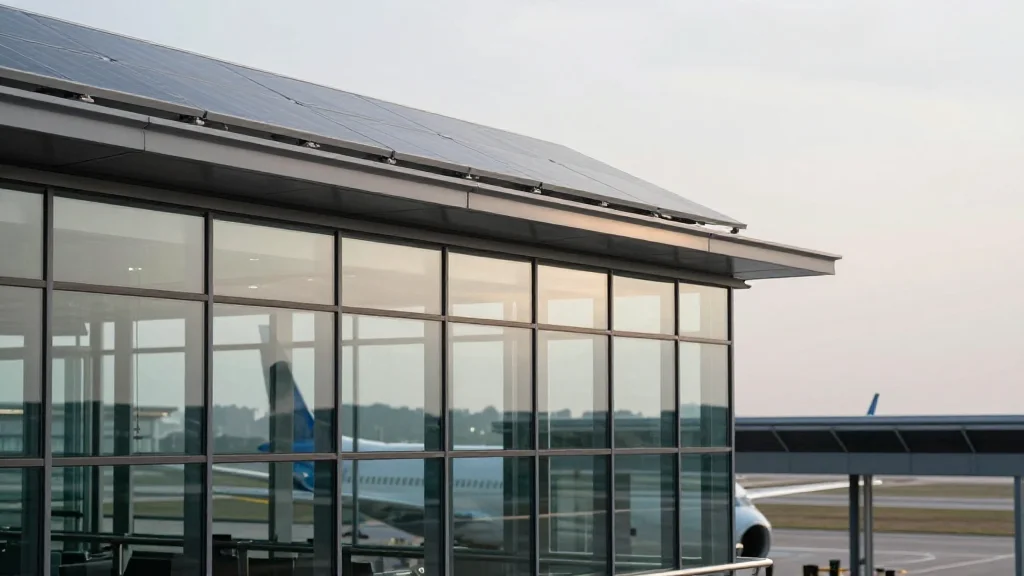
- •Rooftop solar array generates up to 7.7 MW renewable power
- •$3.92 B in green bonds issued for terminal construction
- •Microgrid and six fuel cells provide 2.76 MW resilient energy
- •Over 288,000 tons of construction waste recycled since 2023
- •All‑electric ground support equipment fleet introduced for first time worldwide
Pulse Analysis
The New Terminal One project at JFK International Airport is emerging as a flagship example of climate‑aware infrastructure in the United States. Backed by a $9.5 billion investment and part of the Port Authority’s $19 billion airport transformation, the terminal is slated to open its first phase in 2026 and serve up to 23 million passengers annually. The consortium’s inaugural ESG report, produced with Schneider Electric’s advisory services, details progress on environmental stewardship, social responsibility, and governance, positioning the facility as a benchmark for future‑ready airports.
Central to the ESG narrative is an ambitious energy strategy that combines a large rooftop solar array, six on‑site fuel cells, and a microgrid capable of handling half of the terminal’s projected 2050 demand. The solar installation can produce up to 7.7 MW of clean power, while the fuel cells add 2.76 MW of backup generation, together enhancing resilience against grid outages. Financing for these systems includes $3.92 billion in green bonds, and Schneider Electric’s AlphaStruxure platform provides digital monitoring to optimise consumption and reduce carbon intensity.
The terminal’s sustainability agenda extends beyond energy, featuring the world’s first centralized all‑electric ground support equipment fleet and a rainwater harvesting system that captures more than half of rooftop runoff. Community investments total $1.72 million, targeting workforce development and local business growth, while over 288,000 tons of construction waste have been diverted from landfills. By embedding ESG principles from construction through operations, New Terminal One sets a replicable template for airports seeking net‑zero emissions by 2050, potentially reshaping industry standards and influencing future public‑private infrastructure projects.
New ESG report highlights qualities of JFK’s new Terminal One
Comments
Want to join the conversation?
Loading comments...