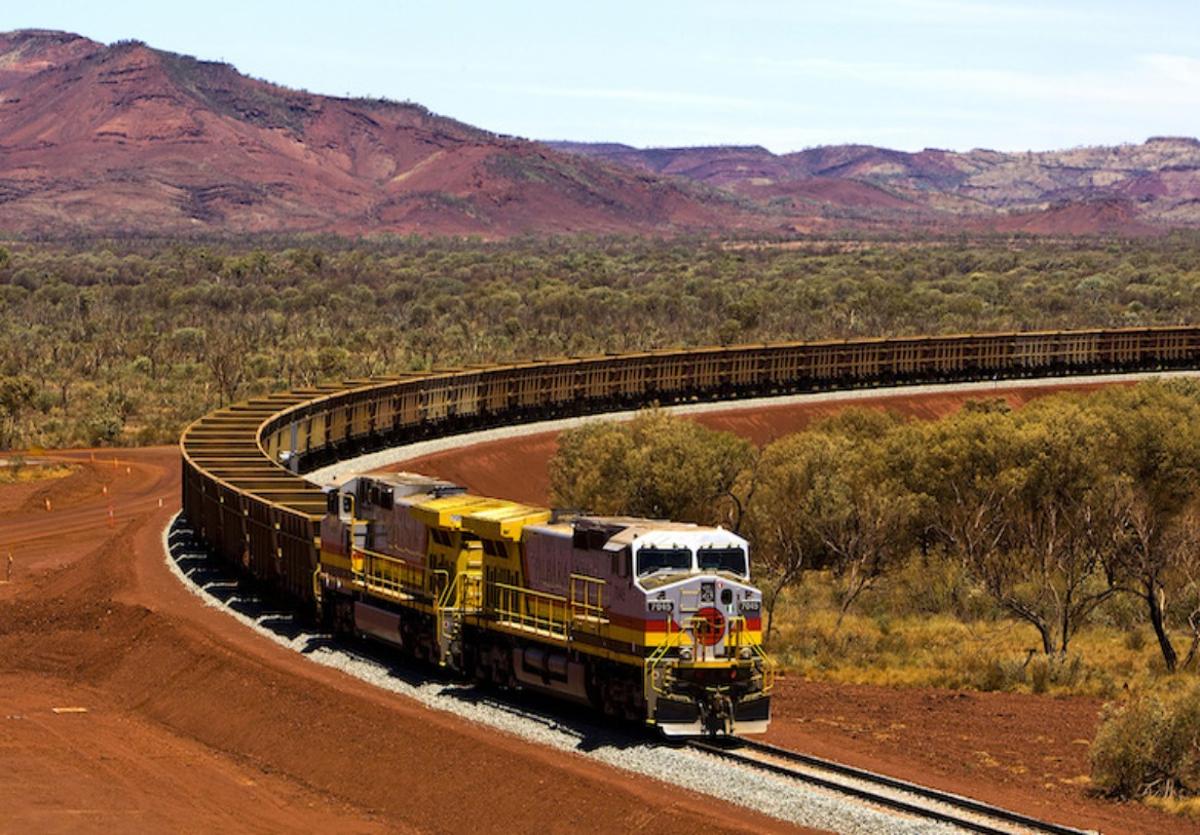
New Monash-Rio Tinto Agreement Targets Improved Performance of Pilbara Rail Network
Why It Matters
By integrating university‑level research with Rio Tinto’s heavy‑haul operations, the deal promises cost‑saving efficiency gains and heightened safety across a rail corridor that underpins Australia’s iron‑ore export economy.
Key Takeaways
- •Monash IRT to enhance Rio Tinto's 2,000km Pilbara rail
- •Focus on AutoHaul safety, asset health monitoring, and life extension
- •Analyzing Instrumented Ore Car data for predictive maintenance
- •Collaboration formalizes research, engineering, and digital solutions partnership
Pulse Analysis
Rio Tinto’s Pilbara rail network stretches over 2,000 kilometres, forming the backbone of Australia’s iron‑ore export engine. The autonomous AutoHaul system, launched in 2020, already reduces human‑error risks and improves haulage efficiency, but the sheer scale of operations demands continuous innovation. By signing a Master Supply Agreement with Monash University’s Institute of Railway Technology, Rio Tinto is betting on cutting‑edge research to fine‑tune asset health monitoring, rail‑welding techniques and vehicle‑track interaction, aiming to squeeze additional productivity from an already world‑class heavy‑haul corridor.
Monash IRT brings a portfolio of applied railway research, from materials science to digital twins, that complements Rio Tinto’s internal engineering teams. The institute will manage data from the Instrumented Ore Car (IOC) fleet, turning sensor streams into actionable maintenance schedules and performance dashboards. Such data‑driven insight enables predictive maintenance, extending asset life while curbing unplanned downtime. Moreover, the partnership leverages university‑scale test rigs and simulation labs, allowing rapid prototyping of rail‑welding methods and condition‑monitoring algorithms that would be costly to develop in‑house.
The collaboration signals a broader shift toward academia‑industry ecosystems in the mining sector, where safety, reliability and cost efficiency are paramount. Improved rail performance directly lowers transportation costs per tonne, bolstering Rio Tinto’s margins and reinforcing Australia’s position in the global commodities market. If successful, the research outcomes could be licensed to other operators, creating a ripple effect across the heavy‑haul industry. For investors and policymakers, the deal underscores the strategic value of investing in technical talent pipelines that sustain critical infrastructure.
New Monash-Rio Tinto agreement targets improved performance of Pilbara rail network
Comments
Want to join the conversation?
Loading comments...