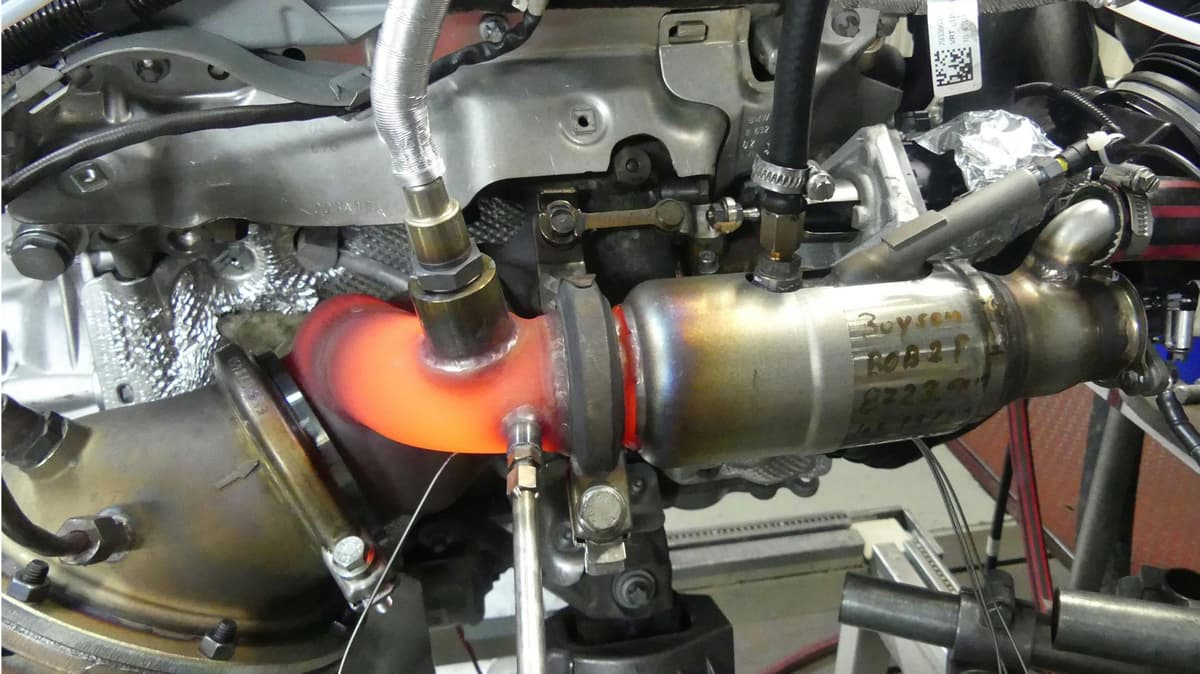
New Rapid Heating Technology Promises Cold Start Emissions Reductions
Why It Matters
By dramatically cutting the most polluting phase of engine operation, Bosch’s RCH gives manufacturers a cost‑effective path to comply with stricter global emissions standards and supports broader adoption of low‑emission fleets.
Key Takeaways
- •Bosch RCH cuts pickup cold‑start emissions by up to 65%
- •SUV cold‑start emissions reduced by roughly 50% with RCH
- •System delivers ~25 kW thermal power using standard 12 V supply
- •Fuel‑use neutral design may improve overall vehicle fuel efficiency
- •Easy integration for light‑ and medium‑duty gasoline and hybrid models
Pulse Analysis
Cold‑start emissions have long been the Achilles’ heel of internal‑combustion powertrains, accounting for a disproportionate share of pollutants because catalytic converters need 750‑1,470 °F to become effective. Regulators worldwide are tightening limits, pushing automakers to find ways to heat catalysts faster without overhauling vehicle designs. Bosch’s Rapid Catalyst Heating (RCH) tackles this challenge by installing a compact, electrically powered chamber upstream of the converter, delivering about 25 kW of heat in just seconds. The system’s glow‑plug ignition, controlled by the ECU, pre‑heats the catalyst before the engine fires, cutting the window of high‑emission output.
The RCH’s architecture is deliberately simple: it runs off the vehicle’s standard 12‑volt electrical system and uses a small fuel‑air mixture to achieve near‑perfect combustion efficiency (≈99.9%). This approach makes the solution fuel‑use neutral, meaning it does not increase overall consumption and may even improve fuel economy by reducing the engine’s idle‑burn period. Hybrid models benefit especially, as the electric drivetrain can power the pre‑heat cycle while the engine remains off, further enhancing efficiency. The modular design, with interchangeable mixing‑geometry components, allows OEMs to fit the system into a range of light‑ and medium‑duty platforms without major packaging changes.
From a market perspective, the RCH offers a pragmatic bridge between legacy gasoline powertrains and future zero‑emission mandates. By delivering up to 65% emission reductions in pickups and 50% in SUVs, Bosch provides OEMs with a tangible tool to meet upcoming U.S. and EU standards, potentially avoiding costly redesigns of exhaust after‑treatment systems. The low‑cost, 12‑volt integration also aligns with manufacturers’ cost‑sensitivity, especially in commercial fleets where compliance penalties are steep. As regulators continue to tighten cold‑start limits, technologies like Bosch’s RCH are likely to see accelerated adoption, shaping the next wave of emissions‑focused innovations in the automotive sector.
New rapid heating technology promises cold start emissions reductions
Comments
Want to join the conversation?
Loading comments...