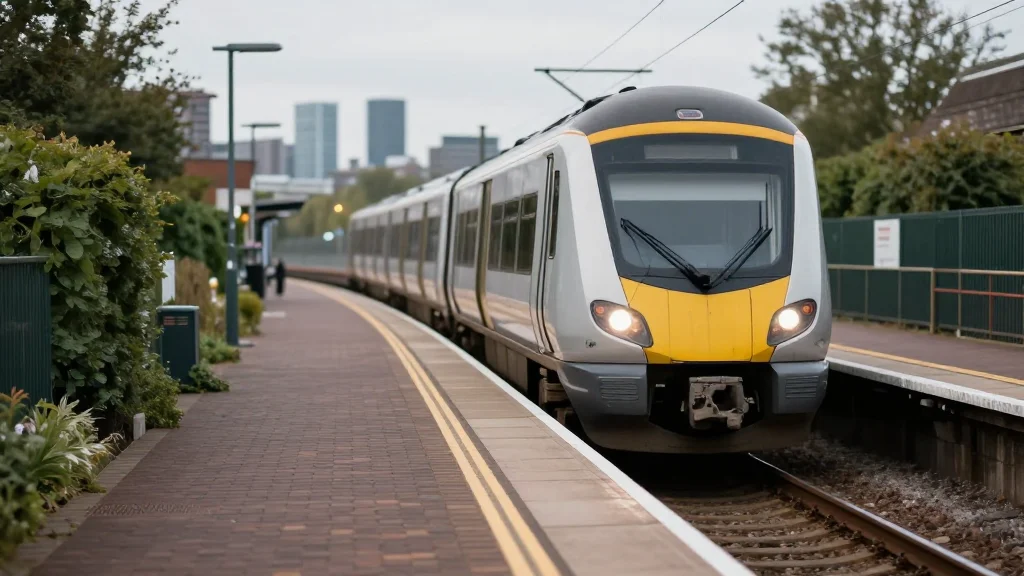
New Stations Open in Britain’s West Midlands
Why It Matters
The new stations boost commuter capacity and regional connectivity while advancing the UK’s climate and growth agenda by shifting travel from roads to rail.
Key Takeaways
- •£185m ($235m) West Midlands station project completed April 7
- •Three new stations opened on Camp Hill Line, reviving 1941 closures
- •Additional £30m ($38m) secured by mayor to finish Camp Hill work
- •Willenhall and Darlaston stations opened March 19, restoring 1965 sites
- •New services aim to cut road congestion and carbon emissions
Pulse Analysis
The West Midlands’ latest rail rollout reflects a broader resurgence in UK passenger‑rail investment, echoing the successful reopening of the Northumberland Line and other regional projects. By restoring the Camp Hill Line—once a wartime casualty—and adding three modern stations, the region not only expands its commuter network but also demonstrates how legacy infrastructure can be repurposed to meet 21st‑century mobility demands. The involvement of national bodies such as the Department for Transport, alongside regional authorities, underscores a coordinated funding approach that blends central grants with locally sourced capital.
Beyond the headline figures, the new stations promise tangible economic and environmental dividends. Frequent 30‑minute services reduce reliance on congested motorways, cutting travel times for workers and students while delivering measurable carbon savings. Local businesses anticipate increased footfall, and property values around the stations are expected to rise as accessibility improves. For a region historically dependent on automotive manufacturing, the rail enhancements signal a diversification of transport options that can attract new industries and support sustainable urban growth.
Looking ahead, the West Midlands Combined Authority’s push for additional regular services suggests this is only the first phase of a larger mobility strategy. The partnership model—linking TfWM, Network Rail, local councils and private contractors like VolkerFitzpatrick—offers a template for other UK regions seeking to revitalize dormant lines. As the government continues to prioritize decarbonisation, projects that combine robust funding, community benefits and scalable design are likely to shape the next decade of British rail infrastructure.
New stations open in Britain’s West Midlands
Comments
Want to join the conversation?
Loading comments...