New York City Is Putting The 'Park' Back In Park Avenue

Why It Matters
Reclaiming Park Avenue’s median could improve pedestrian safety, boost local commerce, and signal a broader shift toward greener, people‑first urban design in Manhattan’s core.
Key Takeaways
- •Park Avenue median will expand from 46th to 57th Street.
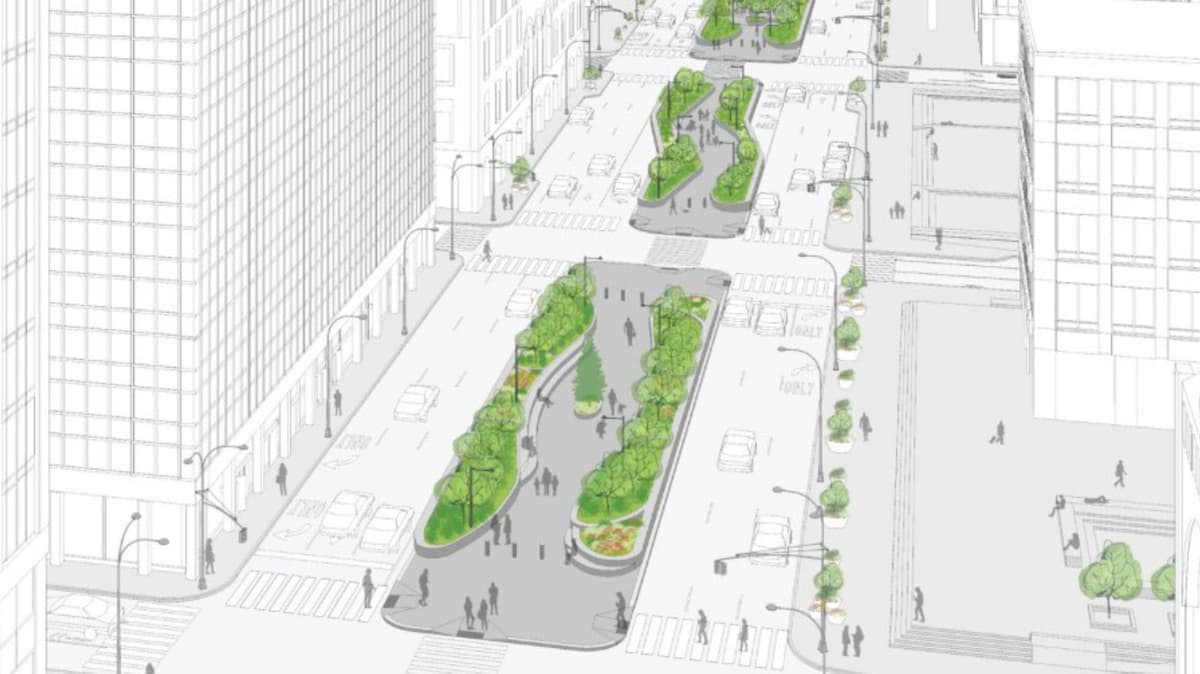
- •Plans propose pedestrian walkways, greenery, seating, and art installations.
- •One option adds protected bike lanes separated from foot traffic.
- •Reducing lanes aims to restore the avenue’s original park concept.
- •Potential pop‑up shops and venues could boost local commerce.
Pulse Analysis
The original Park Avenue was named for a lush, central park that stretched the length of the boulevard until 1927, when the city widened the roadway to accommodate a growing automobile fleet. That decision reduced the green space to a thin strip of median, a compromise that reflected the era’s car‑centric planning. Today, a wave of street‑reclamation projects—from New York’s own Times Square pedestrianization to European car‑free zones—has prompted officials to revisit historic designs and prioritize human‑scale environments. The new proposals aim to reverse a century‑old shift, re‑introducing a sizable, landscaped corridor that reconnects the avenue’s built fabric with its original intent.
The two plans differ primarily in how they treat cyclists. The first option creates a pure pedestrian promenade, while the second integrates a protected bike lane, physically separated from both cars and walkers by planters or low barriers. By reducing the number of vehicle lanes, the city expects to calm traffic, lower speeds, and improve safety for all users. Planners also envision flexible programming—pop‑up retail, outdoor performances, and seasonal markets—that can adapt to the ebb and flow of Midtown foot traffic, turning the median into a dynamic civic space rather than a static strip.
Beyond aesthetic upgrades, the median’s revival carries measurable benefits. Green infrastructure can mitigate the urban heat island effect, improve air quality, and provide storm‑water absorption, aligning with New York’s climate resilience goals. Economically, pedestrian‑friendly streets tend to attract higher retail rents and longer dwell times, potentially generating additional tax revenue. If successful, Park Avenue’s transformation could serve as a template for other legacy boulevards seeking to balance mobility with livability, reinforcing the city’s leadership in sustainable urban design.
New York City Is Putting The 'Park' Back In Park Avenue
Comments
Want to join the conversation?
Loading comments...