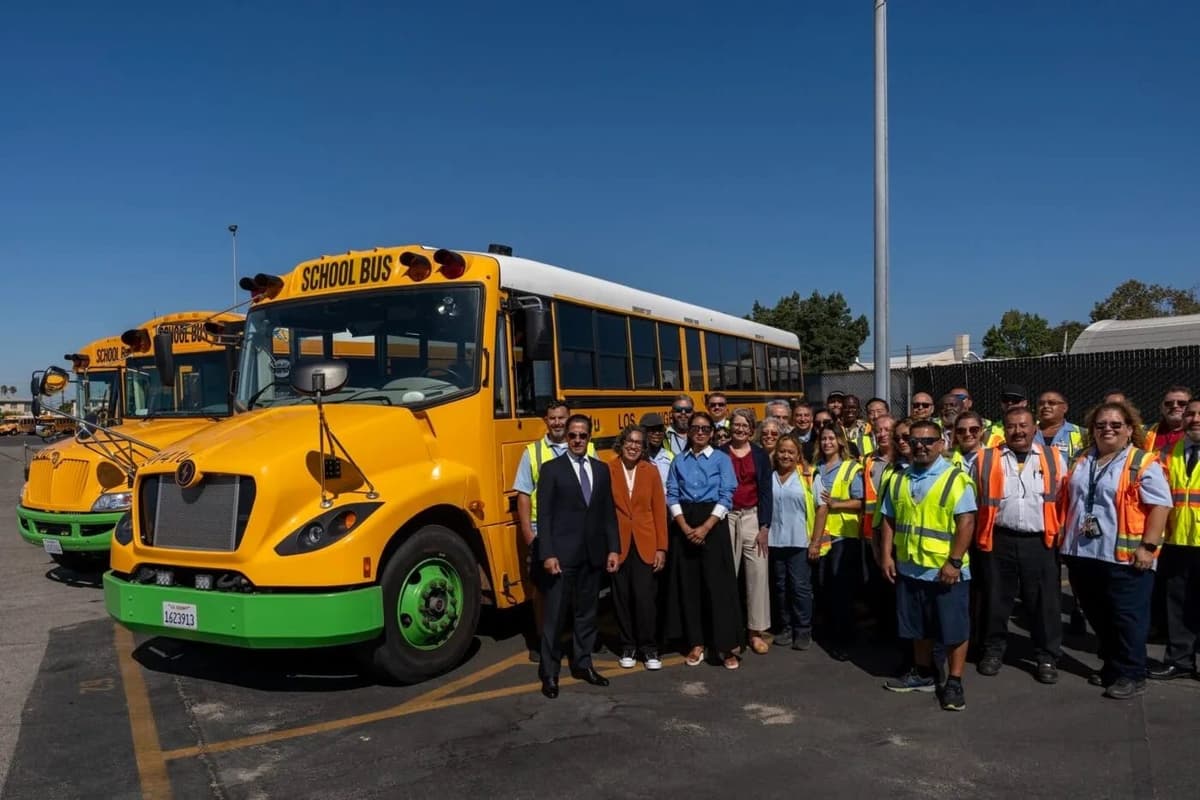
New York Eases Electric School Bus Mandate
Why It Matters
The postponement gives districts breathing room but pushes back emissions cuts and health benefits for millions of students, while reshaping the rollout timeline for electric‑bus manufacturers.
Key Takeaways
- •Deadline for electric bus purchases moved to 2032.
- •Full fleet electrification deadline extended to 2040.
- •Districts cite high costs and operational challenges.
- •$500 million bond funding remains available for electrification.
- •Original 2022 timeline aimed to replace diesel buses by 2035.
Pulse Analysis
New York’s latest budget revision reflects a pragmatic shift in its climate‑transport agenda. While the state originally pledged to begin exclusive electric school‑bus purchases in 2027 and achieve a fully electric fleet by 2035, lawmakers have now extended those milestones to 2032 and 2040 respectively. The adjustment acknowledges the logistical and fiscal strain on local districts, which must balance tight capital budgets against the steep price tag of battery‑electric vehicles. By retaining the $500 million Environmental Bond Act allocation, the state signals continued commitment to decarbonization, but the extended timeline underscores the political calculus of delivering ambitious environmental goals without overburdening taxpayers.
Financially, the cost differential between diesel and electric school buses remains a critical barrier. A typical electric bus can cost $150,000 to $200,000 more than its diesel counterpart, a gap that many districts struggle to bridge despite federal and state incentives. Operational concerns—such as charging infrastructure, maintenance skill sets, and range limitations in cold climates—further complicate adoption. The delayed mandate gives districts additional time to secure financing, negotiate bulk procurement contracts, and pilot charging solutions, potentially leading to more cost‑effective deployments when the 2032 deadline arrives.
For the broader electric‑vehicle market, New York’s timeline adjustment reverberates beyond state borders. Manufacturers that had counted on an early 2027 rollout now face a five‑year deferment, prompting a recalibration of production schedules and inventory strategies. Meanwhile, other states watching New York’s experience may temper their own electrification timelines, fostering a more staggered national rollout. Nonetheless, the sustained funding commitment and the eventual 2040 fleet target keep the market momentum alive, suggesting that once the financial and operational hurdles are addressed, demand for school‑bus electrification will accelerate across the United States.
New York eases electric school bus mandate
Comments
Want to join the conversation?
Loading comments...