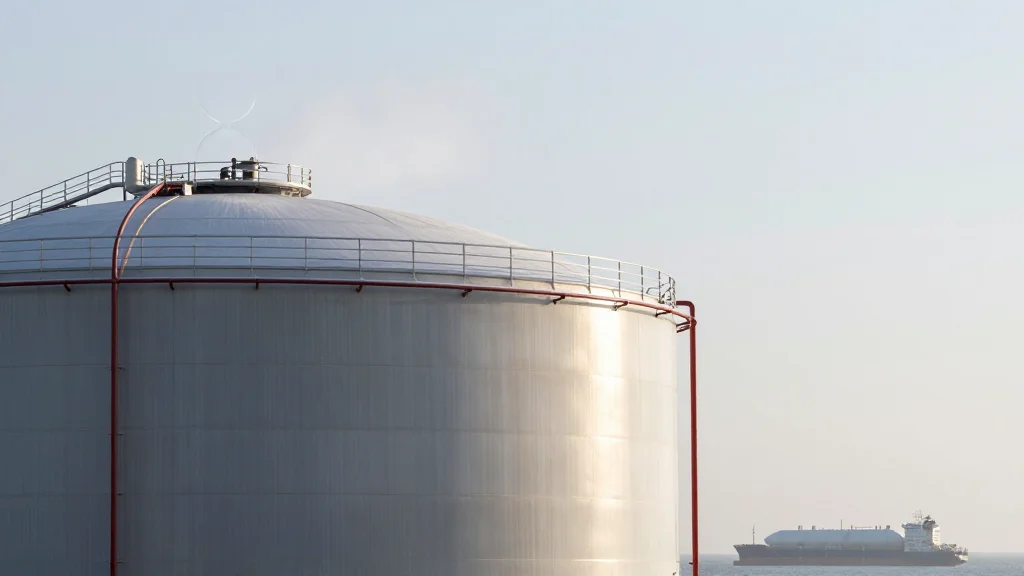
NextDecade Will Be Chartering More Ships, Company CEO Says
Companies Mentioned

Why It Matters
Securing more vessels positions NextDecade to monetize its early production, bolstering U.S. LNG export capacity and enhancing its competitive stance in a tightening global gas market.
Key Takeaways
- •NextDecade has three long‑term LNG carrier charters with Dynagas.
- •First chartered vessel arrived from HD Hyundai’s shipyard in May 2026.
- •Train 1 expected to start delivering LNG in early 2027.
- •Additional charters planned to cover excess early volumes and new trains.
- •Expanded fleet supports U.S. LNG export growth and market diversification.
Pulse Analysis
The United States is rapidly emerging as the world’s leading LNG exporter, driven by new liquefaction hubs such as NextDecade’s Rio Grande project in Texas. As the first train ramps up, the company faces a logistical bottleneck: moving early volumes to overseas buyers before its full complement of ships is in place. By locking in long‑term charters with seasoned shipowner Dynagas, NextDecade ensures a reliable transport pipeline, mitigating the risk of cargo delays that could erode price differentials and contract credibility.
Dynagas’ partnership brings seasoned vessels built by HD Hyundai, a shipyard known for high‑efficiency LNG carriers. The inaugural ship’s delivery in May 2026 marks a tangible step toward operational readiness, aligning with the projected first‑half‑2027 start‑up of Train 1. These charters not only cover the immediate surplus from the first train but also anticipate the capacity surge from the forthcoming second and third trains, which will collectively add several million tonnes per annum of export capability. The strategic timing of these contracts reflects a broader industry trend of securing fleet capacity well ahead of production milestones to lock in favorable charter rates.
For investors and market watchers, NextDecade’s expanded charter strategy signals confidence in sustained demand for U.S. LNG, especially as Europe seeks alternatives to Russian gas and Asian markets rebound from pandemic‑induced slowdowns. An enlarged vessel fleet enhances the company’s flexibility to serve spot and long‑term contracts, potentially improving margin resilience amid price volatility. Moreover, the move underscores the growing interdependence between U.S. shipbuilding, chartering firms, and energy exporters, a dynamic that could shape the competitive landscape of global LNG trade for years to come.
NextDecade will be chartering more ships, company CEO says
Comments
Want to join the conversation?
Loading comments...