Companies Mentioned
Why It Matters
NGM’s profitable flipping of older capes demonstrates how asset‑light strategies can capture value in a tight shipping environment, signaling a shift for Greek owners toward portfolio optimization. This accelerates market consolidation and may tighten supply, supporting freight rates.
Key Takeaways
- •NGM flipped three vintage capesize vessels, netting over $27 million profit
- •Charm, a 2003-built 171,000 dwt ship sold for $17.4 million
- •Greek capesize market sees accelerated shake‑out of older bulkers
- •Vintage bulkers like Kerkis and Maran Argonaut change hands amid firm rates
- •Asset‑light strategy boosts NGM’s earnings in a tight shipping market
Pulse Analysis
The capesize segment, defined by vessels over 150,000 deadweight tons, has enjoyed robust freight rates driven by strong demand for iron ore and coal shipments from Brazil and Australia to Asia. While new‑build orders have slowed due to financing constraints, the scarcity of modern tonnage has elevated the market value of existing ships, especially those that can still meet efficiency standards. Greek owners, who control a significant share of the global capesize fleet, are therefore incentivized to reassess older assets that sit below optimal performance thresholds.
NGM’s recent transactions illustrate a disciplined, asset‑light approach that leverages market tightness without committing to costly new‑build programs. By acquiring the 2003‑year‑old Charm for roughly $10 million and reselling it for $17.4 million, the firm realized a substantial margin, echoing similar gains on two other vintage vessels. This strategy reduces exposure to depreciation and maintenance outlays while generating cash flow that can be redeployed into higher‑yield opportunities, such as chartering newer, fuel‑efficient ships or expanding into related logistics services.
Industry observers see this wave of vintage capesize sales as a harbinger of further consolidation. As owners prune aging tonnage, the overall supply of capes may contract, reinforcing the current freight‑rate premium. However, the trend also raises questions about the long‑term sustainability of relying on older vessels, especially as environmental regulations tighten and fuel‑efficiency standards rise. Stakeholders will watch whether Greek operators like NGM continue to monetize legacy assets or pivot toward greener, next‑generation fleets to stay competitive in a rapidly evolving maritime landscape.
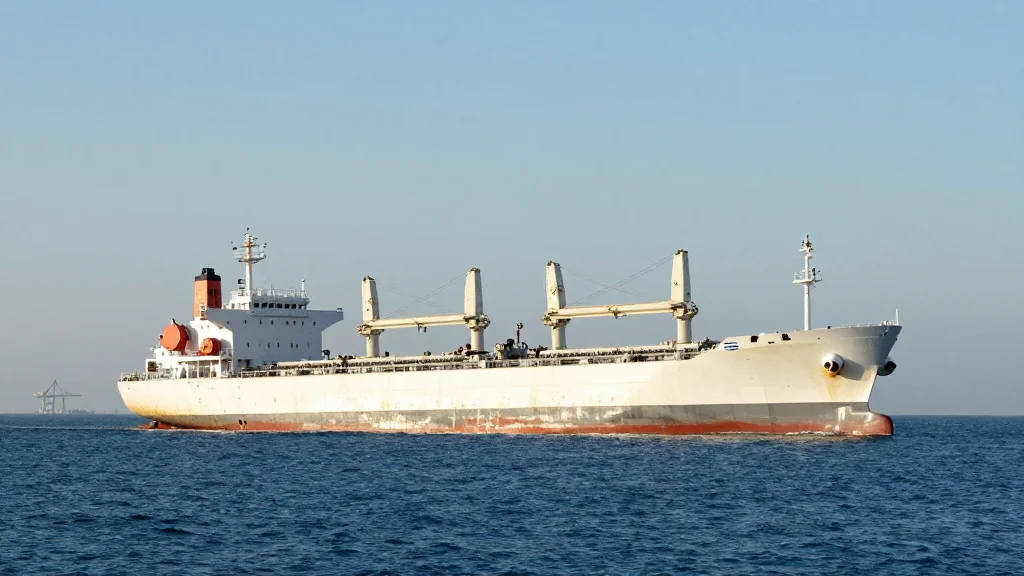
NGM cashes in on vintage cape
Comments
Want to join the conversation?
Loading comments...