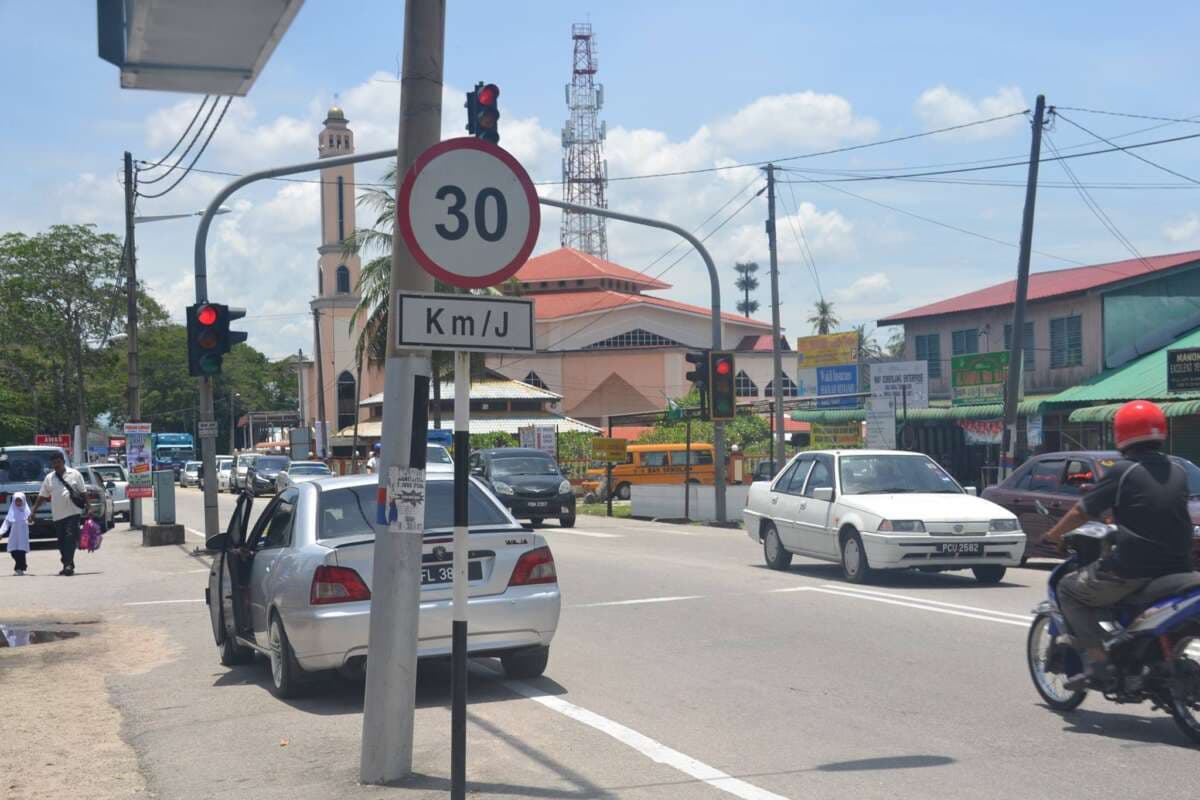
NGOs Call for 30km/H Speed Limit Around School Zones to Be Gazetted in Order to Enable Legal Action
Why It Matters
Gazetting the limit creates enforceable legal authority, turning a policy recommendation into a punishable offense and signaling stronger commitment to road safety. Lower vehicle speeds around schools can markedly reduce child injuries, a key public‑health and urban‑planning objective.
Key Takeaways
- •NGOs push for 30 km/h school zone limit to be gazetted
- •Gazette enables legal fines of RM300 (~$66) for violators
- •Proposed 200‑metre radius defines school zone boundaries
- •Suggested infrastructure: raised crosswalks and refuge islands
- •Ministry reviewing Road Transport Act amendments with inter‑agency input
Pulse Analysis
Malaysia’s push to formalise a 30 km/h speed limit around schools reflects a broader global trend of tightening urban traffic regulations to protect vulnerable road users. While many jurisdictions have already codified reduced speeds near educational facilities, Malaysia’s current framework relies on advisory signs that lack legal teeth. By amending the Road Transport Act, the government can align with best‑practice standards seen in Europe and North America, where statutory speed caps are routinely enforced and backed by data showing up to a 40% drop in child‑related collisions.
The legal ramifications of gazetting the limit are significant. Once the rule is published in the official gazette, police can issue fines—proposed at RM300 (about $66)—and pursue court action against repeat offenders. This creates a deterrent effect and provides a clear revenue stream for enforcement agencies. Moreover, defining school zones as a 200‑metre radius simplifies compliance monitoring and reduces ambiguity for drivers, schools, and local authorities. The fine amount, calibrated to local purchasing power, balances punitive impact with fairness, encouraging compliance without imposing undue hardship.
Beyond enforcement, NGOs are championing complementary street‑design interventions such as raised crosswalks, refuge islands, and traffic calming measures. These physical changes naturally slow traffic, reinforcing the speed limit and enhancing pedestrian safety. The coalition’s involvement signals a collaborative approach, integrating civil society, transport officials, and urban planners. If successful, the policy could serve as a template for expanding low‑speed zones to other high‑risk areas, fostering safer streets and supporting Malaysia’s broader sustainable‑mobility agenda.
NGOs call for 30km/h speed limit around school zones to be gazetted in order to enable legal action
Comments
Want to join the conversation?
Loading comments...