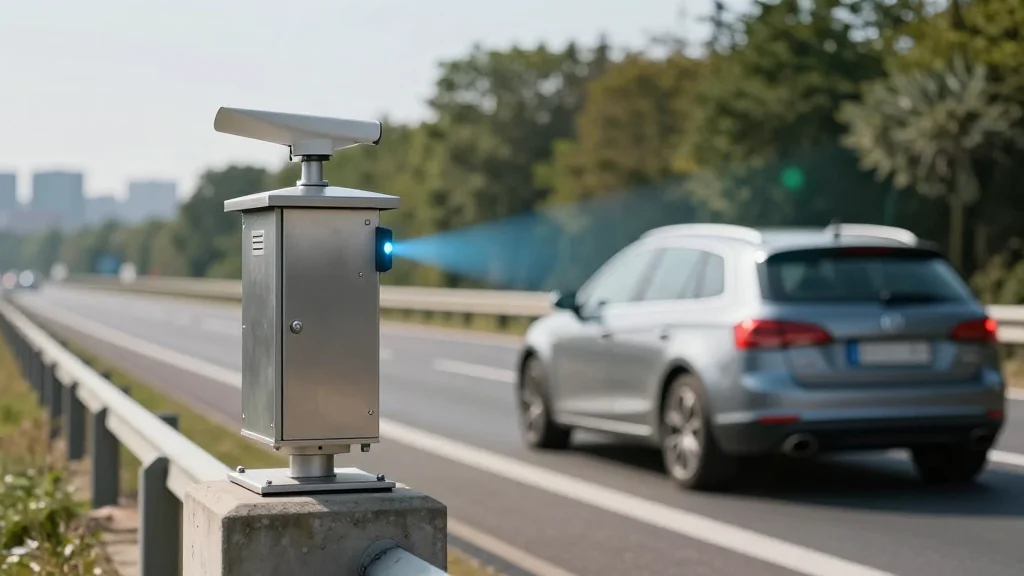
NGOs & Transport Businesses Call for Maintaining Remote Sensing Provisions in the Roadworthiness Package
Why It Matters
Without enforceable deployment targets, the EU could lose a proven tool for cutting NOx emissions, risking public‑health gains and undermining the 2030 air‑quality objectives.
Key Takeaways
- •Remote sensing detects 1‑5% high‑emitting vehicles causing 30% NOx.
- •Screening success jumps from 2% to over 50% with remote sensing.
- •EU proposal threatens to drop mandatory deployment targets for the technology.
- •81,000 premature deaths projected by 2040 without stronger emissions controls.
- •Industry groups urge progressive roll‑out and incentives for reduced inspections.
Pulse Analysis
Remote‑sensing technology has become a cornerstone of Europe’s strategy to curb vehicle‑related pollution. By measuring exhaust plumes in real‑time on public roads, it overcomes the limitations of laboratory‑based tests that often miss high‑emitters operating under real‑world conditions. The 2025 Roadworthiness Package codified this advantage, mandating member states to install sensors and set clear screening quotas. This regulatory push aligns with the EU’s broader Green Deal goals, aiming to reduce NOx emissions by 55% by 2030 and improve urban air quality.
Health experts warn that the 19 million diesel vehicles still on European roads contribute disproportionately to premature mortality. Studies estimate 81,000 excess deaths between now and 2040 if high‑emitting fleets remain unchecked. Remote sensing can pinpoint the small subset of vehicles responsible for up to 30% of NOx emissions, delivering a detection efficiency increase of roughly 25‑fold. Removing binding targets would likely shrink sensor deployment, reverting to random roadside checks that capture only about 2% of violators, and eroding the public‑health gains already realized in pilot cities.
Beyond environmental benefits, the remote‑sensing sector represents a competitive advantage for European firms that lead in sensor design and data analytics. Industry groups argue that a phased, incentivized rollout—maintaining minimum deployment levels while allowing member states flexibility in enforcement—could spur innovation and create jobs. Linking reduced inspection quotas to proven sensor performance would also lower administrative costs for authorities. Preserving strong targets therefore supports climate objectives, safeguards citizens’ health, and bolsters Europe’s position in a growing global market for emissions‑monitoring technology.
NGOs & Transport Businesses Call for Maintaining Remote Sensing Provisions in the Roadworthiness Package
Comments
Want to join the conversation?
Loading comments...