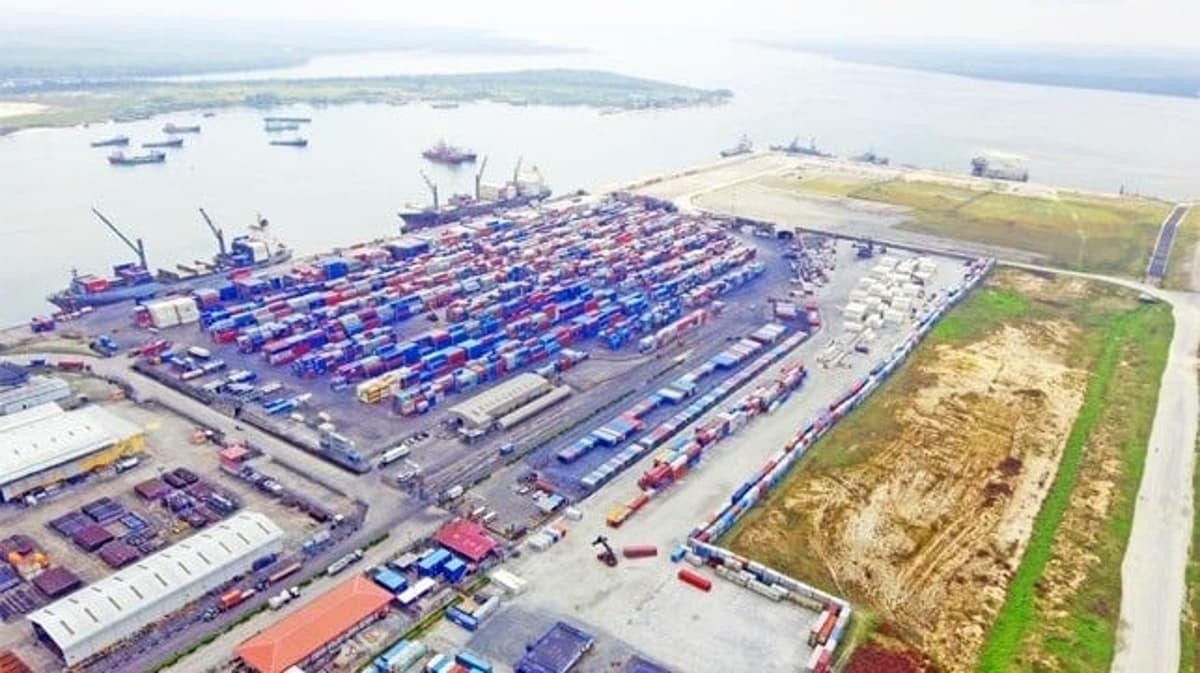
Nigerian Ports Blocked by Collision Between Maersk Feeder and Small Tanker
Why It Matters
The blockage disrupts a key West African trade corridor, threatening delays for container and oil‑gas shipments and exposing vulnerabilities in port infrastructure. Restoring traffic is critical to maintain regional supply‑chain reliability and export capacity.
Key Takeaways
- •Maersk Valparaiso blocks Bonny Channel, halting Port Harcourt traffic
- •Collision injured five tanker crew members and caused an oil spill
- •Onne’s 361,000 TEU annual capacity now faces severe congestion
- •Refloating plans hinge on tides and salvage resources
Pulse Analysis
The Bonny Channel incident underscores the strategic importance of Nigeria’s maritime gateways. The Maersk Valparaiso, a 175‑metre feeder vessel carrying roughly 717 containers, collided with the 57‑metre Lady Martina while maneuvering toward berth 4 at Onne’s West Africa Container Terminal. The resulting grounding not only immobilized a vessel capable of 1,740 TEU but also sealed the primary ingress to Port Harcourt and Onne, two ports that together handle a substantial share of West Africa’s containerized trade and oil‑gas logistics.
For shippers and oil‑gas operators, the blockage translates into immediate operational headaches. Onne’s APM terminal, designed for up to 4,500‑TEU ships and an annual throughput of 361,000 TEU, now faces a backlog as vessels queue in the Bonny Anchorage. The five injured crew members and the emerging oil spill add safety and environmental dimensions, prompting heightened regulatory scrutiny. Companies relying on just‑in‑time deliveries may need to reroute cargo through alternative West African ports, incurring higher freight rates and longer transit times.
Looking ahead, the incident highlights the need for robust contingency planning in congested waterways. Nigerian authorities are assessing tide‑assisted refloating and may enlist international salvage experts, but the timeline remains uncertain. The event could accelerate investments in dredging, navigation aids, and emergency response capabilities across the region. For global traders, monitoring the situation is essential, as prolonged disruption could ripple through supply chains, affect commodity pricing, and reshape shipping patterns in the Gulf of Guinea.
Nigerian Ports Blocked by Collision Between Maersk Feeder and Small Tanker
Comments
Want to join the conversation?
Loading comments...