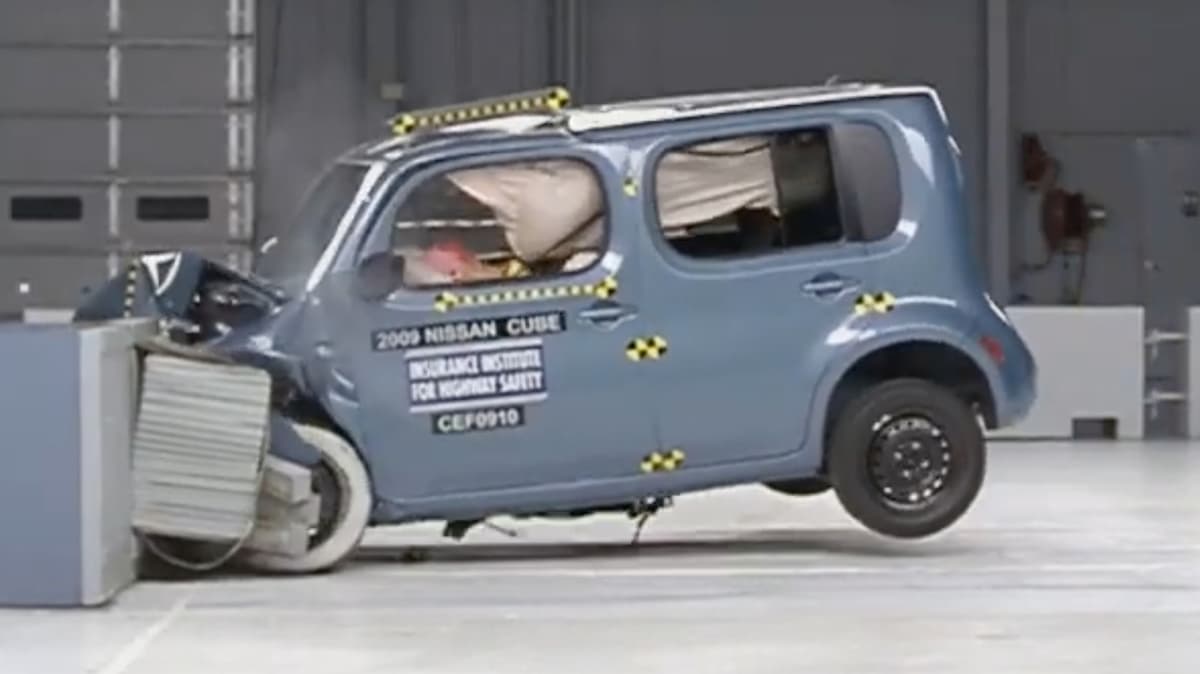
Nissan Recalls Nearly 50,000 Cubes That Are Almost Old Enough To Legally Vote Due To Detaching Driver's Airbags

Companies Mentioned
Why It Matters
The recall highlights lingering safety risks from the historic Takata airbag scandal and underscores that even 17‑year‑old vehicles remain subject to safety actions, affecting resale value and owner liability.
Key Takeaways
- •Nissan recalls 47,928 2009‑2010 Cube models.
- •Defect: Takata driver‑airbag inflator may detach on deployment.
- •Recall covers 0.002% of Cubes with the faulty inflator.
- •Repairs free; dealers replace inflator with non‑Takata part.
- •Owners can verify VINs via NHTSA before May 27 notification.
Pulse Analysis
The Nissan Cube, a niche compact that rode the wave of quirky design in the late 2000s, is now back in the headlines for a safety issue rooted in the infamous Takata airbag scandal. While the recall touches fewer than one in fifty thousand Cubes, the defect—an inflator that can separate from the steering wheel during a crash—poses a serious risk to drivers. Nissan’s decision to act on vehicles produced over a decade ago reflects the lingering liability automakers face from legacy components, especially when a supplier like Takata has filed for bankruptcy yet left a trail of hazardous parts across the industry.
For owners, the practical steps are straightforward but critical. Dealers will inspect the inflator’s serial number against a specific lot code and, if matched, replace it with a newer, non‑Takata unit at no cost. Because many Cube owners are likely to be hobbyists or used‑car buyers, Nissan is encouraging proactive VIN checks on the NHTSA portal before the formal notice arrives on May 27. This pre‑emptive approach helps avoid unexpected repair bills and can preserve resale value, a key consideration for a vehicle that is now 17 years old.
The broader implication for the automotive sector is a reminder that recalls are not limited to new‑model rollouts. Regulatory bodies and manufacturers must maintain robust tracking systems for components that may surface years later, especially as the used‑car market expands. The Takata episode has already reshaped supplier vetting and quality‑control standards, prompting tighter oversight and more transparent recall communications. As consumers become increasingly data‑savvy, timely access to recall information will remain a competitive differentiator for brands seeking to protect both safety and reputation.
Nissan Recalls Nearly 50,000 Cubes That Are Almost Old Enough To Legally Vote Due To Detaching Driver's Airbags
Comments
Want to join the conversation?
Loading comments...