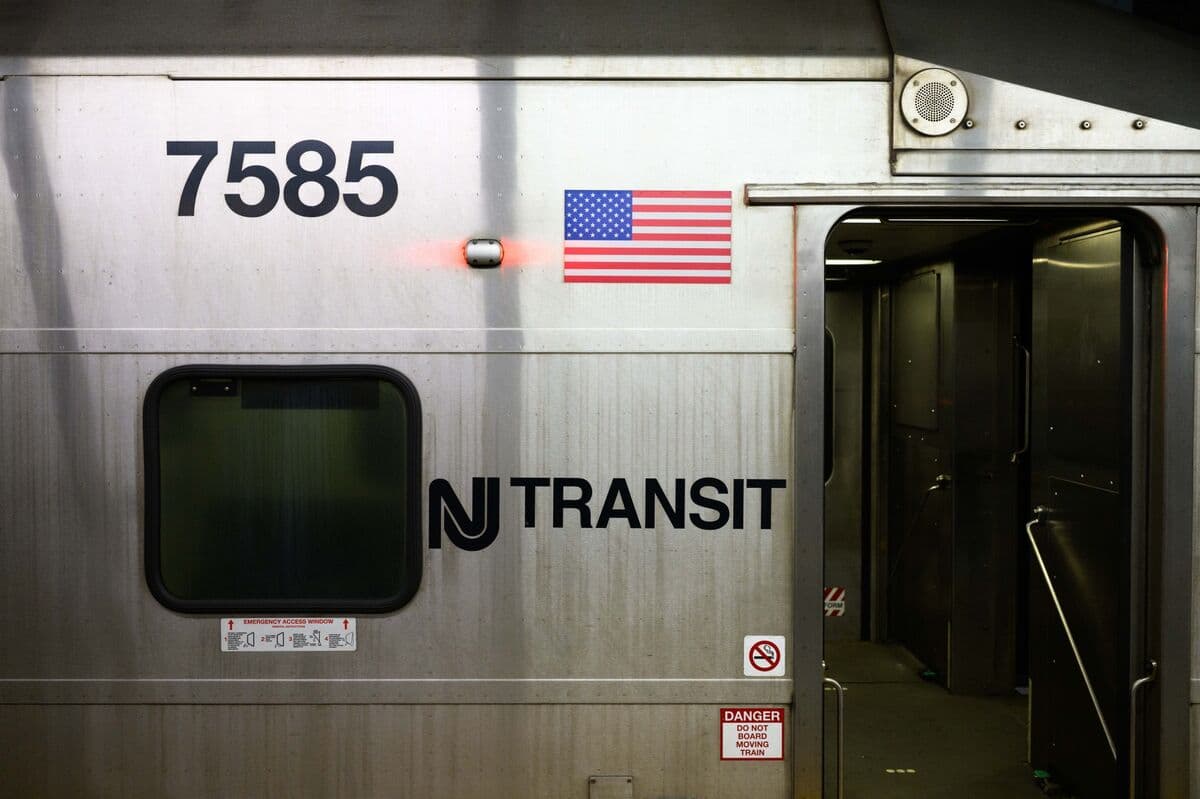
NJ Transit Resumes Service With Delays After Another Fire
Why It Matters
The outage highlights NJ Transit’s vulnerability to infrastructure failures, affecting thousands of daily commuters and prompting scrutiny of safety protocols. Restoring service quickly is critical to maintaining ridership confidence and regional mobility.
Key Takeaways
- •Fire at Kearny center triggered network‑wide hour‑long delays
- •NJ Transit resumed full service but trains still run behind schedule
- •Incident follows earlier disruption, compounding commuter frustration
- •Agency’s rapid response prevented longer shutdown
- •Reliability concerns may pressure funding for infrastructure upgrades
Pulse Analysis
New Jersey Transit (NJ Transit) is the lifeline for more than 300,000 daily commuters traveling between New York City, Philadelphia and the Garden State. Recent service interruptions have placed the agency under a microscope, as riders and policymakers alike evaluate the resilience of aging rail infrastructure. The latest fire at the Rail Operations Center in Kearny—an essential hub for dispatching and signaling—represents a flashpoint for broader systemic challenges, including outdated equipment, limited capital investment, and heightened demand after pandemic‑era work‑from‑home shifts.
The fire, described as "small" by NJ Transit officials, forced the shutdown of critical control systems, leading to delays of up to an hour on multiple lines. While the agency’s social‑media updates reassured the public that the blaze was contained, the ripple effect on timetables underscores how a single point‑of‑failure can cascade across a sprawling commuter network. Operational teams rerouted trains, deployed backup crews, and communicated revised schedules, but the lingering hour‑long lag demonstrates the thin margin for error in high‑frequency rail corridors.
Looking ahead, the incident may accelerate calls for modernizing NJ Transit’s control facilities and diversifying redundancy measures. State legislators and transportation advocates are likely to leverage the disruption to argue for increased funding, especially for fire‑suppression upgrades and digital signaling replacements. For commuters, the episode serves as a reminder to monitor real‑time updates and consider alternative travel options during peak periods. Ultimately, NJ Transit’s ability to restore service swiftly will be a key metric in restoring rider confidence and sustaining the region’s economic engine.
NJ Transit Resumes Service With Delays After Another Fire
Comments
Want to join the conversation?
Loading comments...