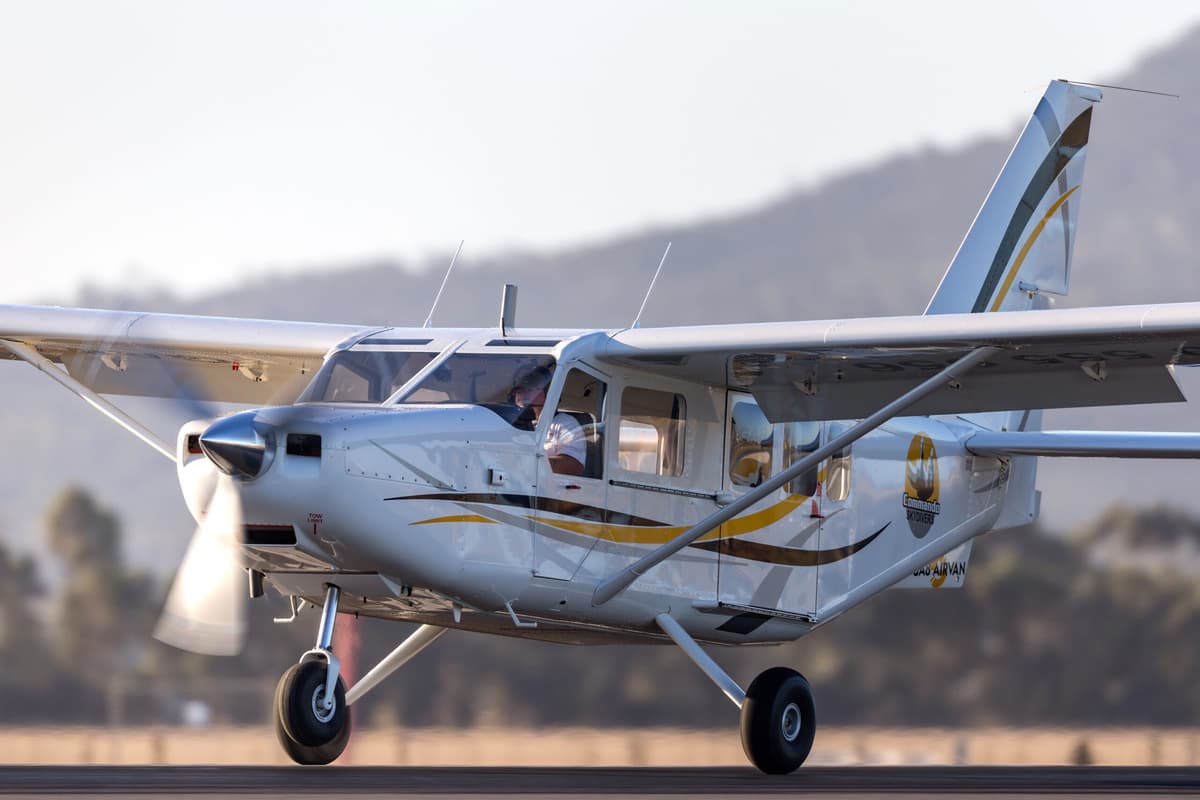
No Injuries After Door Separates From Aircraft In Alaska
•March 4, 2026
0
Why It Matters
The event underscores safety vulnerabilities in remote‑area general aviation, where unique aircraft designs and limited maintenance resources can pose heightened risks. It also draws regulatory attention to door‑latch integrity on sliding‑door aircraft.
Key Takeaways
- •Door detached from Grant Aviation GA-8 Airvan mid‑flight.
- •No injuries; aircraft landed safely in Bethel.
- •NTSB monitoring but not launching formal investigation.
- •Sliding door design differs from typical hinged doors.
- •Incident highlights maintenance oversight in remote Alaska ops.
Pulse Analysis
The unexpected loss of a rear sliding door from a Grant Aviation GA‑8 Airvan highlights the operational challenges faced by airlines serving Alaska’s isolated communities. While in‑flight door separations are rare in general aviation, the incident occurred on a scheduled passenger run between Eek and Bethel, a route that relies on rugged, single‑engine aircraft to connect remote villages. The aircraft’s ability to complete the flight without further damage demonstrates the resilience of the GA‑8’s airframe, yet the event raises immediate questions about latch mechanisms and routine inspection protocols.
Regulators and industry experts are closely watching the case because the GA‑8’s sliding door architecture differs from the conventional hinged doors found on most commuter planes. This design can create unique stress points, especially in harsh Alaskan weather where temperature fluctuations and vibration are common. Although the NTSB has opted not to open a formal investigation, its decision to monitor the situation signals a cautious approach, balancing the need for thorough safety oversight with the practical realities of limited resources in remote regions. Airlines operating similar fleets may now reassess maintenance schedules, focusing on door‑latch wear and corrosion.
Beyond the immediate technical concerns, the incident reflects broader safety dynamics in Alaska’s aviation sector, where a patchwork of small carriers provides essential transport for passengers and cargo. The combination of aging aircraft, limited hangar facilities, and extreme operating environments can strain standard safety practices. Stakeholders—including the FAA, local authorities, and airline operators—must collaborate to enhance inspection regimes and share incident data, ensuring that rare events like this do not evolve into systemic risks. Strengthening oversight can protect both the communities that depend on air service and the reputation of regional carriers.
No Injuries After Door Separates From Aircraft In Alaska
0
Comments
Want to join the conversation?
Loading comments...