No Summer Border Delays for Brits, Greek Tourism Minister Says
Why It Matters
The exemption safeguards the UK‑Greece travel corridor, preserving a key revenue stream for Greek tourism while testing the flexibility of EU border‑control regulations.
Key Takeaways
- •Greece suspends biometric EES checks for UK visitors this summer.
- •Border processing targeted to under two minutes for all travelers.
- •EU permits temporary suspension during congestion, not blanket exemptions.
- •Jet‑fuel supply concerns persist, but UK sees no shortage.
- •Greece seeks to sustain tourism revenue amid regional fuel issues.
Pulse Analysis
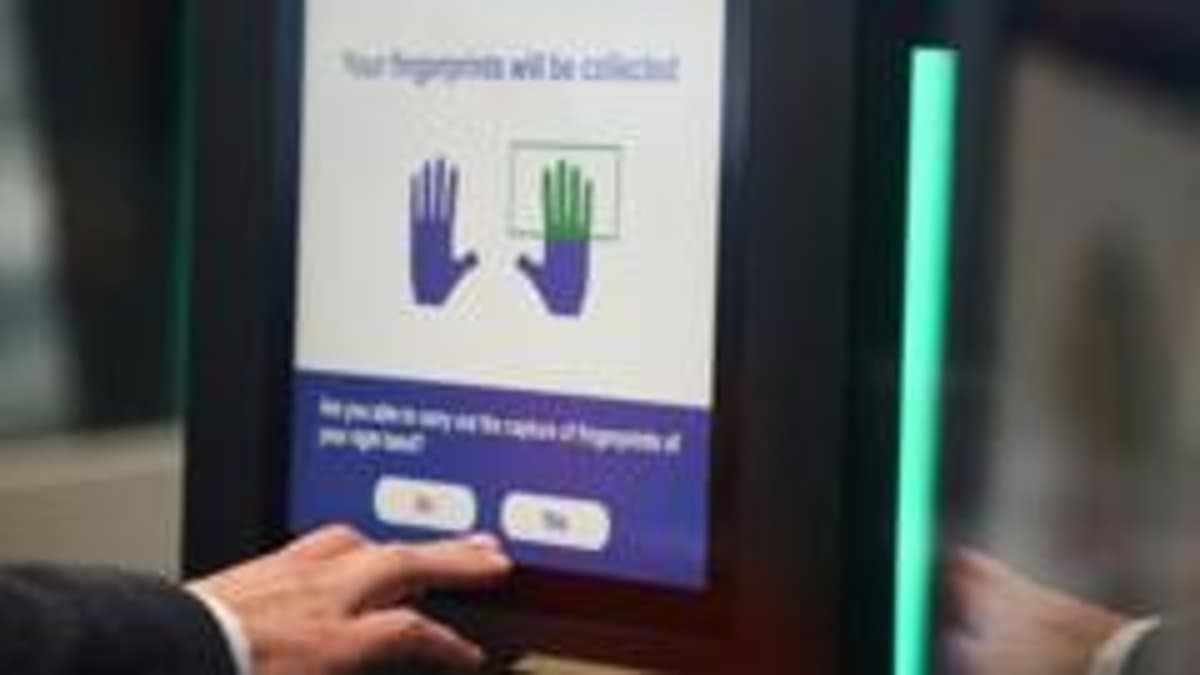
The European Union’s Entry‑Exit System, rolled out in April, requires short‑term visitors to submit fingerprints or facial scans at each Schengen crossing. While the technology promises better security and data collection, several member states have reported bottlenecks, with queues stretching to hours in places like Italy. Greece, keen to avoid similar disruptions during its high‑season influx, opted to suspend biometric checks for British travelers, arguing that the EU’s rulebook allows temporary pauses when airports become congested. This pragmatic stance highlights the tension between uniform digital border policies and national tourism priorities.
For the United Kingdom, the assurance of a smooth arrival in Greece removes a potential friction point that could deter holidaymakers. British tourists account for a sizable share of Greece’s summer bookings, and any perceived hassle can shift demand to alternative Mediterranean destinations. By pledging sub‑two‑minute processing, Greece reinforces its value proposition of competitive pricing, upgraded amenities, and hassle‑free entry—factors that become decisive when travelers weigh options amid lingering geopolitical uncertainties.
Beyond border procedures, the broader aviation landscape remains strained by jet‑fuel supply disruptions linked to the ongoing US‑Israel‑Iran conflict. While the UK reports adequate reserves, many European airports face higher fuel costs and occasional flight cancellations. Greece’s tourism ministry acknowledges these pressures but emphasizes the country’s diversified energy sourcing and its resilience in maintaining flight schedules. As fuel markets stabilize, Greece’s proactive border management could serve as a model for other EU states seeking to balance security mandates with the economic imperative of a thriving tourism sector.
No summer border delays for Brits, Greek tourism minister says
Comments
Want to join the conversation?
Loading comments...