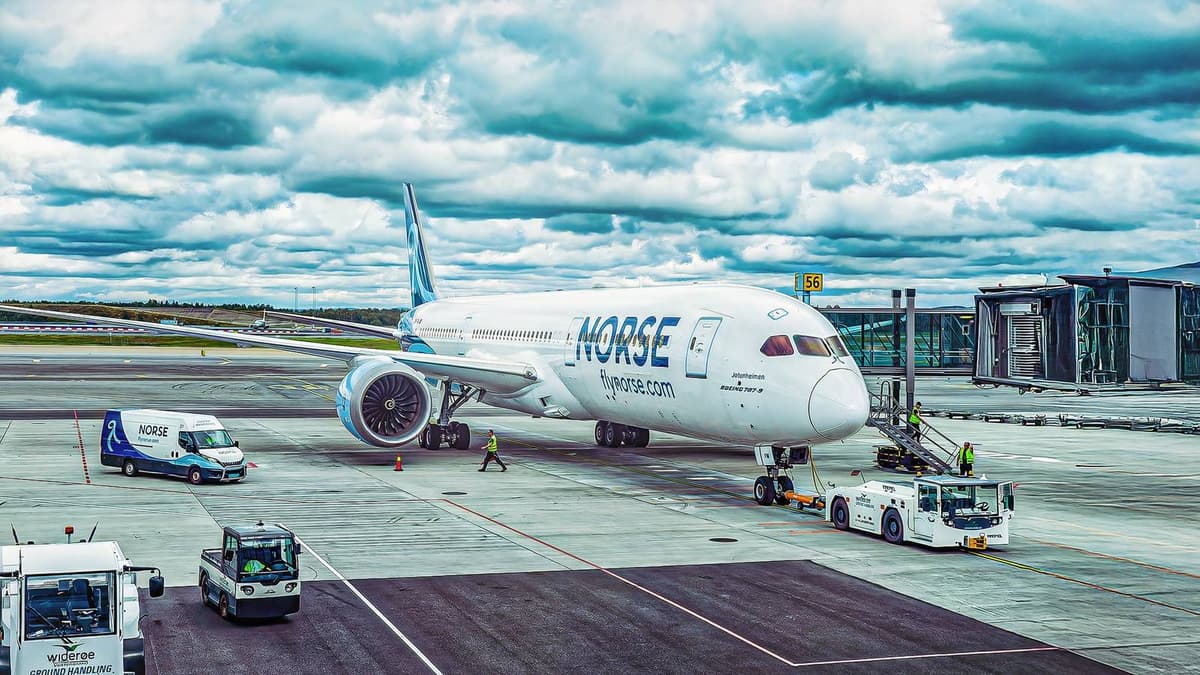
Norse Atlantic Slashes US Flights By 60%: See All Changes Now
Companies Mentioned
Why It Matters
The cuts highlight the fragility of low‑cost, long‑haul models in a high‑fuel‑price environment and reshape competitive dynamics on transatlantic routes, affecting both travelers and airport revenues.
Key Takeaways
- •Norse Atlantic eliminated all Los Angeles flights, cutting US network by 60%
- •Planned US departures down 31% for peak summer versus last year
- •Airline now serves only four US routes: JFK, Orlando, plus two others
- •Five of its twelve 787‑9s leased to IndiGo, shifting focus to charters
- •Boston route operated 30 flights with 67% load factor before termination
Pulse Analysis
The recent contraction of Norse Atlantic’s U.S. schedule underscores a growing tension between low‑cost carrier ambitions and the economics of long‑haul aviation. Jet‑fuel prices, which have surged well above pre‑pandemic levels, erode the thin margins that budget airlines rely on, especially on routes that exceed 11 hours. Norse’s decision to drop Los Angeles—a flagship transatlantic gateway—reflects an inability to pass higher costs to price‑sensitive leisure travelers, who can easily switch to legacy carriers or alternative hubs.
For the U.S. market, the airline’s retreat leaves only four destinations—primarily New York JFK and Orlando—reducing competition on premium transatlantic seats and potentially raising fares on remaining low‑cost options. Airports that lost service, such as Boston and Miami, face immediate revenue gaps from reduced landing fees and ancillary income. Meanwhile, passengers who favored Norse’s budget model must now seek higher‑priced alternatives or adjust travel plans, which could dampen demand for discretionary trips to the United States this summer.
Norse Atlantic’s shift toward charter flights and the leasing of half its 787‑9 fleet to IndiGo signals a strategic pivot away from scheduled long‑haul operations. By capitalizing on IndiGo’s rapid growth in the Indian market, Norse can generate steady lease income while mitigating exposure to volatile fuel markets. This realignment may serve as a cautionary tale for other low‑cost carriers eyeing transatlantic expansion, emphasizing the need for flexible fleet utilization and diversified revenue streams to survive in a cost‑inflationary environment.
Norse Atlantic Slashes US Flights By 60%: See All Changes Now
Comments
Want to join the conversation?
Loading comments...