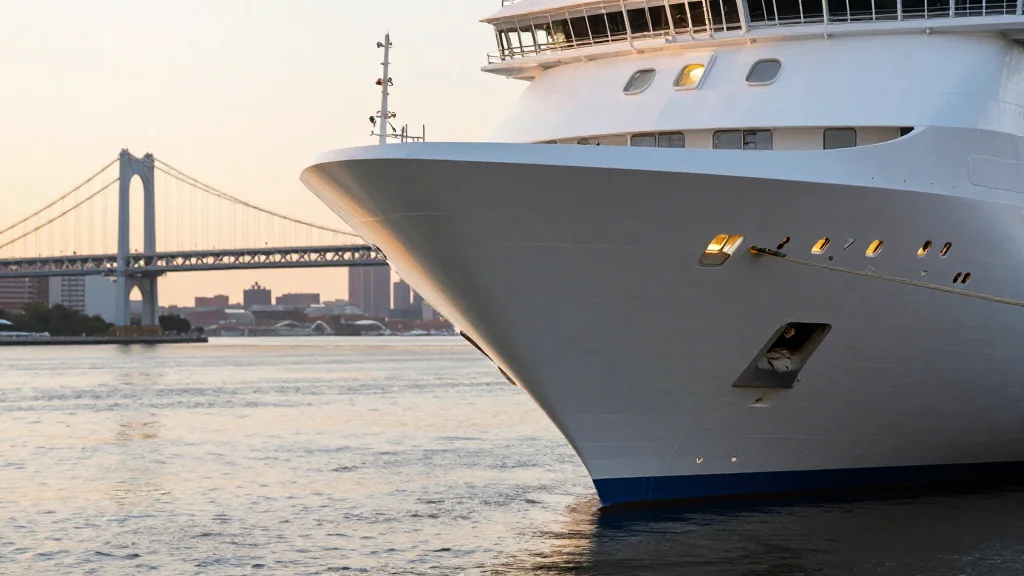
Norwegian Cruise Line Restores Philadelphia as U.S. Port After 15‑Year Hiatus

Companies Mentioned
Why It Matters
Re‑opening Philadelphia as a cruise home‑port diversifies NCL’s departure options and reduces reliance on oversubscribed Florida terminals. The move taps into a large Mid‑Atlantic market, potentially increasing NCL’s market share among travelers who prioritize convenience and lower travel costs. Economically, the influx of cruise passengers can boost local hospitality, transportation and retail sectors, delivering a measurable uplift to the regional economy. The decision also reflects a broader industry trend of expanding port options to mitigate congestion, spread risk, and capture new demographics. As cruise lines grapple with labor, environmental and governance challenges, strategic port additions like Philadelphia provide a concrete growth lever that can offset headwinds elsewhere.
Key Takeaways
- •Norwegian Jewel begins sailing from Philadelphia in mid‑April, ending a 15‑year hiatus.
- •Itinerary includes Bermuda through August, then Canada and New England, with Norwegian Pearl to replace it later.
- •Philadelphia port is adjacent to a major airport, offering a convenient alternative to Florida ports.
- •Industry analysts estimate a single ship can generate $30 million+ in local economic activity per season.
- •The launch aligns with NCL’s strategy to diversify departure points amid board changes and environmental fines.
Pulse Analysis
Norwegian Cruise Line’s decision to restore Philadelphia as a home‑port is a calculated play to capture a high‑density market that has been under‑served by the cruise industry. Historically, the Northeast corridor has relied on New York’s congested terminals, which can deter price‑sensitive travelers. By positioning a mid‑size vessel at a port that is both rail‑ and air‑accessible, NCL reduces the total cost of travel for a sizable segment of potential guests, a factor that could translate into higher booking conversion rates.
From a competitive standpoint, the move also pressures rivals like Royal Caribbean and Carnival to reassess their own port strategies. Both competitors have been expanding in secondary ports such as Galveston and Baltimore, but none have yet leveraged a major Northeastern city with the same logistical advantages as Philadelphia. If NCL can demonstrate robust occupancy and revenue per available cabin (RevPAC) from this deployment, it may force a ripple effect, prompting other lines to explore similar ports in the region.
Financially, the Philadelphia addition could provide a short‑term earnings boost that helps offset the longer‑term challenges highlighted by Elliott Investment Management’s board overhaul. While activist pressure focuses on cost cuts and marketing efficiency, adding a new, high‑margin departure point offers a tangible revenue lever. The timing—coinciding with the summer travel season—maximizes the upside, as discretionary spending typically spikes during these months. In the longer view, sustained success at Philadelphia could serve as a template for re‑activating other dormant ports, further diversifying NCL’s geographic footprint and insulating the brand from regional disruptions such as weather events or geopolitical tensions that have recently impacted other cruise corridors.
Norwegian Cruise Line Restores Philadelphia as U.S. Port After 15‑Year Hiatus
Comments
Want to join the conversation?
Loading comments...