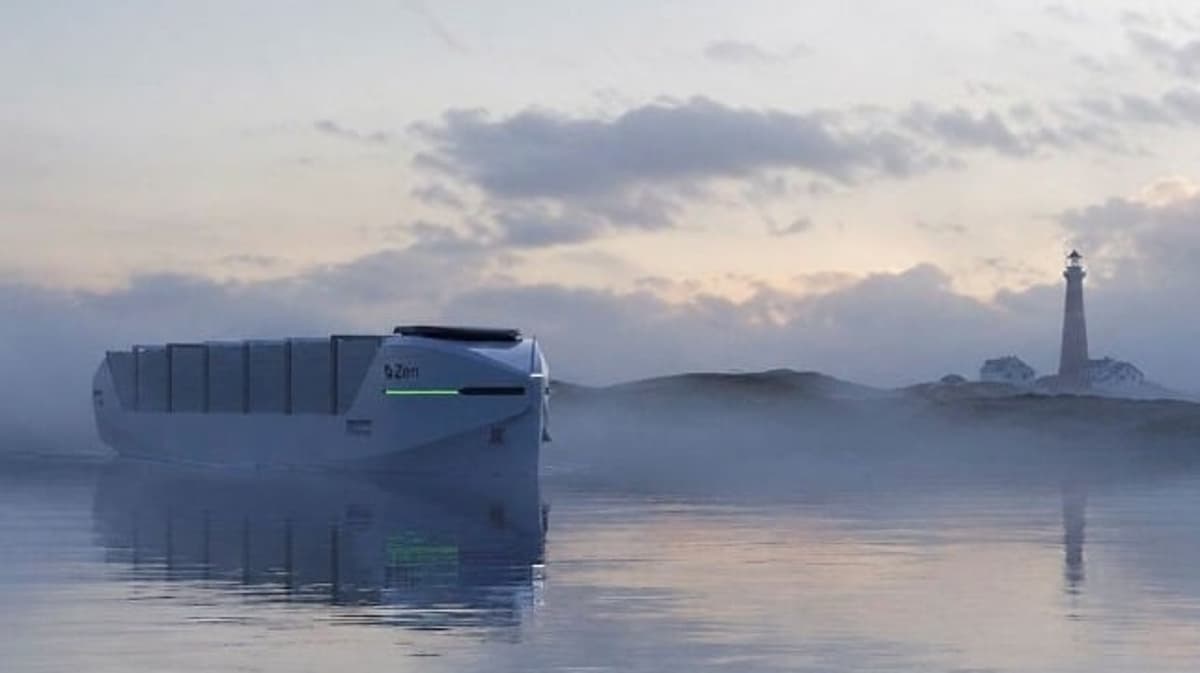
Norwegian Shipping Group Orders Two Electric Short-Sea Container Vessels
Why It Matters
The ships prove that battery‑electric propulsion can be commercially viable on short‑haul routes, cutting emissions and prompting rapid investment in supporting shore‑power infrastructure across the region.
Key Takeaways
- •Two 900‑TEU electric vessels ordered for North Sea corridor
- •Batteries exceed 100 MWh, offering 500‑600 nautical miles range
- •Enova grants total $23.2 million support vessel and shore‑charging development
- •Deliveries slated for 2026 and 2027, accelerating electrification timeline
- •Shore power station in Oslo will provide 7.5 MVA, 6.6 kV capacity
Pulse Analysis
Battery‑electric shipping is moving from pilot projects to mainstream operations, and the Eitzen‑Zen order underscores that shift. Europe’s short‑sea trade, which accounts for a sizable share of regional freight, faces mounting pressure to decarbonize. By targeting a high‑traffic corridor that connects Hamburg, Gothenburg and Oslo, the two 900‑TEU vessels address a niche where electric propulsion can meet range requirements without compromising schedule reliability. The >100 MWh battery packs, developed in Norway, boast double the energy density of comparable systems, enabling 500‑600 nautical miles on a single charge—sufficient for round‑trip runs across the North Sea.
The financial backing from Norway’s Enova fund, amounting to roughly $23 million, highlights public‑private synergy in green maritime initiatives. One portion funds the vessels themselves, while the other underwrites a 7.5 MVA, 6.6 kV shore‑charging hub at Oslo’s Yilport terminal. This infrastructure is critical; without reliable high‑voltage power, even the most advanced batteries cannot achieve operational uptime. The shore‑charging station also serves as a template for other European ports, accelerating the rollout of compatible facilities and reducing reliance on diesel generators.
Strategically, the project signals to shipowners and investors that large‑scale electric container ships are no longer speculative. The 24‑ and 27‑month delivery timeline compresses the technology adoption curve, encouraging competitors to explore similar routes. As regulators tighten emissions standards and customers demand greener logistics, the success of these vessels could catalyze a broader shift toward fully electric short‑haul fleets, reshaping supply‑chain dynamics and reinforcing Europe’s leadership in sustainable maritime transport.
Norwegian Shipping Group Orders Two Electric Short-Sea Container Vessels
Comments
Want to join the conversation?
Loading comments...