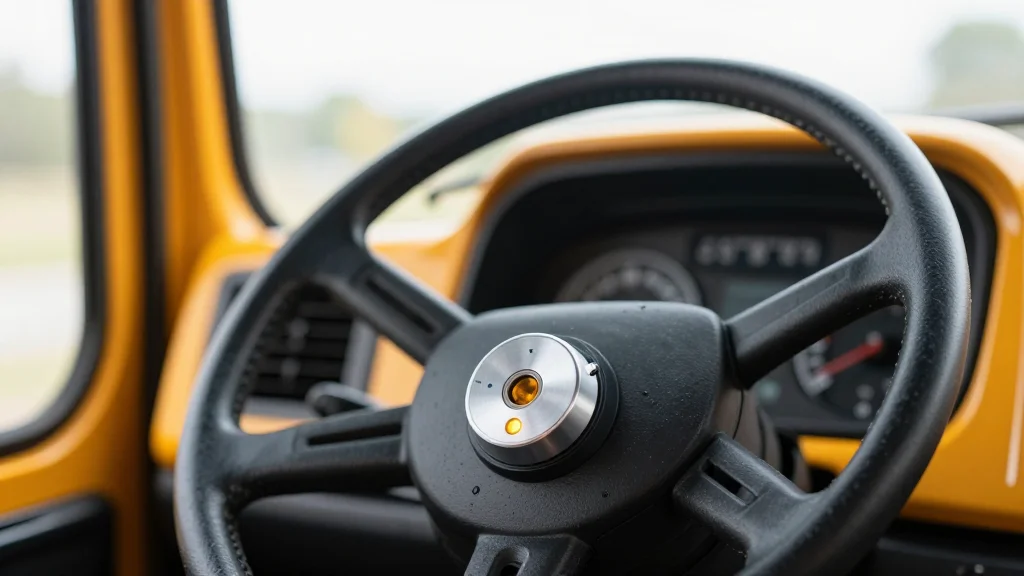
NTSB Calls for Alcohol Detectors on All New School Buses After WV Crash

Why It Matters
Requiring alcohol detection systems on school buses could dramatically reduce the risk of impaired‑driver incidents, a rare but potentially catastrophic threat to student safety. By leveraging technology already proven in DUI offender programs, the policy could create a new safety baseline for a fleet that transports millions of children daily. Beyond immediate safety gains, the recommendation signals a shift toward proactive, technology‑driven safeguards in public transportation. If Congress acts, the move could set a precedent for other commercial vehicle sectors, accelerating the adoption of driver‑monitoring tools that address not only alcohol but, eventually, other forms of impairment.
Key Takeaways
- •NTSB recommends mandatory alcohol detection systems on all new school buses after a 2024 West Virginia crash.
- •The crash left one child with an amputated leg and injured two others among 19 passengers.
- •Existing interlock devices cost $75‑$150 to install and about $100 per month to monitor.
- •At least 118 school‑bus drivers were accused of DUI over a five‑year span, per a 2020 report.
- •Half‑million school buses operate nationwide; the three largest carriers run about 80,000 buses daily.
Pulse Analysis
The NTSB’s push for alcohol detectors reflects a broader trend of embedding safety tech into legacy vehicle classes. Historically, school buses have relied on structural design and driver training rather than active monitoring systems. Introducing interlocks could close a critical gap, especially given the limited data on bus‑driver impairment. While the cost per unit appears modest, scaling across 500,000 vehicles would represent a multi‑million‑dollar investment, likely prompting a debate over who bears the expense—manufacturers, school districts, or taxpayers.
From a market perspective, manufacturers that can integrate detection hardware seamlessly into existing bus designs may gain a competitive edge, especially if states adopt the technology ahead of federal mandates. Conversely, operators wary of added maintenance and potential downtime could lobby for exemptions or delayed rollouts. The NTSB’s recommendation also dovetails with pending federal rules for passenger vehicles, suggesting a coordinated regulatory push that could standardize detection technology across multiple vehicle categories.
Looking ahead, the success of this initiative will hinge on legislative action and the development of reliable drug‑impairment testing. As states grapple with the balance between safety and cost, the NTSB’s recommendation could serve as a catalyst for broader conversations about driver health monitoring, potentially expanding to include fatigue and distraction detection in the future.
NTSB Calls for Alcohol Detectors on All New School Buses After WV Crash
Comments
Want to join the conversation?
Loading comments...