NTSB Releases Final Report on R.J. Corman Railway Group Conductor Injury
Why It Matters
The incident underscores how rule breaches and inadequate oversight can turn routine switching operations into severe injuries, prompting the rail industry to tighten safety culture and address heat‑related risks. Implementing the NTSB’s recommendations could reduce workplace accidents and liability for rail operators.
Key Takeaways
- •Conductor violated three safety rules during coupler adjustment
- •NTSB cites lack of supervision and extreme heat as risk factors
- •Industry urged to enforce 50‑foot separation and three‑step protection
- •Recommendations include hydration breaks and stricter rule compliance
- •Incident highlights need for real‑time safety monitoring in yards
Pulse Analysis
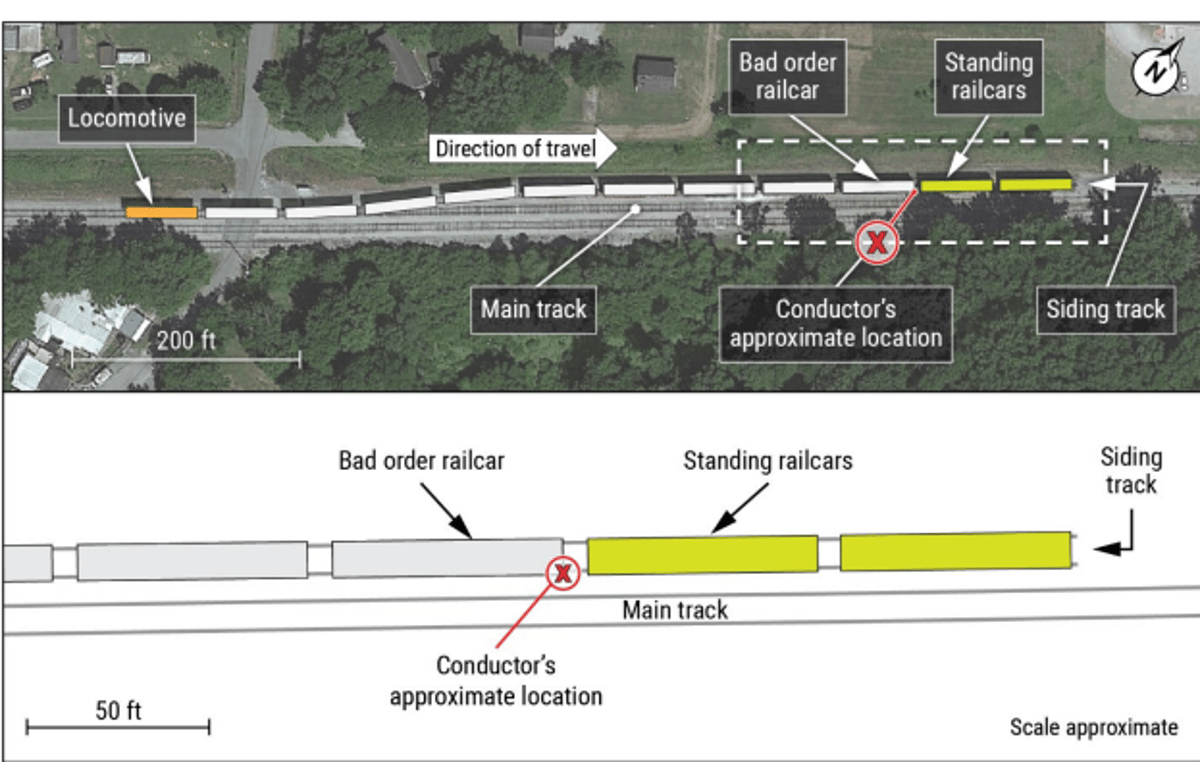
The National Transportation Safety Board’s final investigation into the R.J. Corman conductor injury provides a stark reminder that even seasoned rail workers can fall victim to basic safety oversights. While the accident occurred during a routine car‑switching maneuver, the conductor’s decision to manually kick an out‑of‑alignment coupler—against company policy—exposed a critical gap between procedural knowledge and on‑the‑ground execution. The NTSB’s report details how the combination of a hot afternoon (91 °F) and fatigue contributed to a loss of footing, turning a corrective action into a life‑threatening event.
Beyond the immediate mishap, the findings highlight systemic issues that extend across the freight rail sector. The board emphasizes that the three‑step protection protocol and a minimum 50‑foot separation are not merely bureaucratic checkboxes but essential safeguards designed to prevent kinetic energy from translating into human injury. Moreover, the report calls out insufficient supervisory presence, suggesting that real‑time oversight could catch unsafe practices before they culminate in accidents. By integrating hydration breaks and mandated rest periods during extreme temperatures, railroads can mitigate heat‑induced impairments that erode judgment and physical coordination.
Looking ahead, the NTSB’s recommendations could reshape safety management in rail yards nationwide. Adoption of advanced monitoring technologies—such as wearable sensors that alert supervisors to rule violations—offers a proactive avenue to enforce compliance. Additionally, revisiting training curricula to stress the dangers of manual coupler adjustments under adverse conditions may foster a culture where safety supersedes speed. As the industry grapples with tighter regulatory scrutiny and rising public expectations for worker protection, embracing these reforms will be pivotal in reducing injury rates and preserving operational continuity.
NTSB Releases Final Report on R.J. Corman Railway Group Conductor Injury
Comments
Want to join the conversation?
Loading comments...