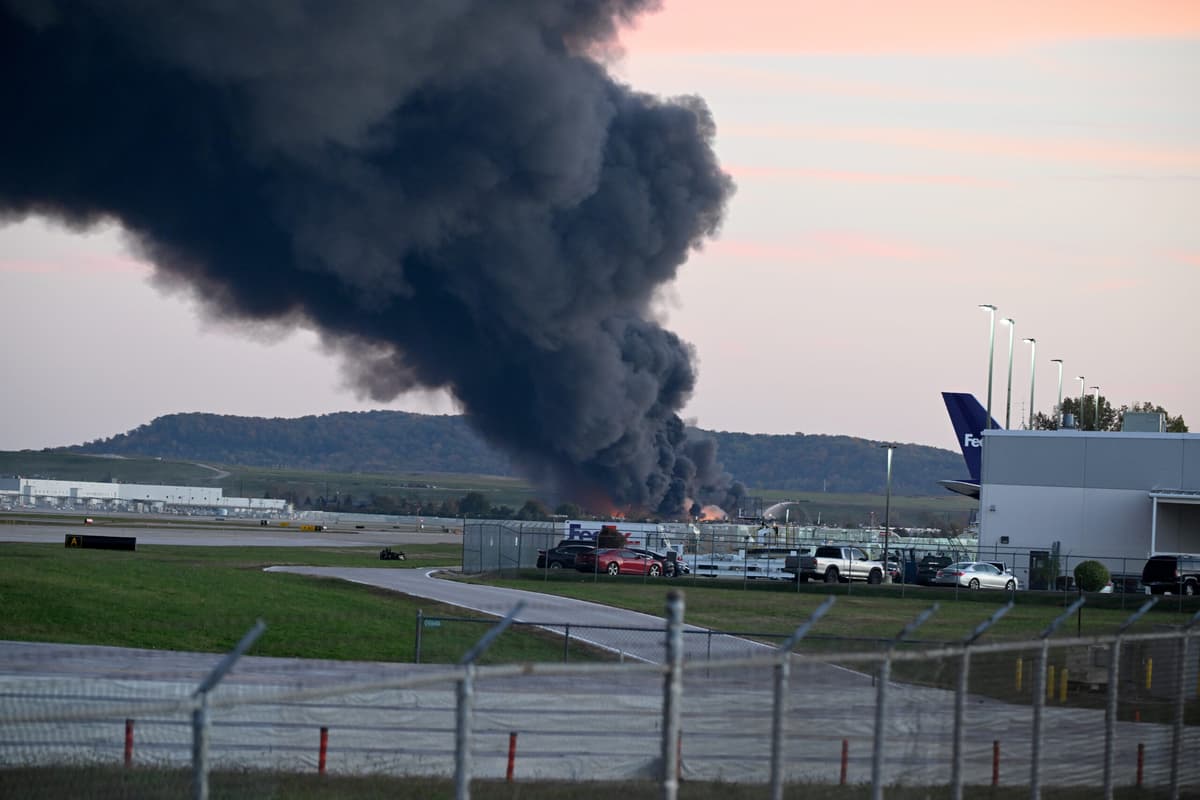
NTSB Says UPS Didn’t Act After 2011 Boeing Letter on Defect
Companies Mentioned
Why It Matters
The incident exposes a breakdown in safety communication and compliance, leading to regulatory action and reshaping cargo airline operations worldwide.
Key Takeaways
- •UPS ignored Boeing service letters warning spherical bearing cracks
- •Mechanics were unaware of 2011 service bulletin
- •Crash killed 15, prompting FAA grounding of MD‑11 fleet
- •FedEx resumed flights after mandated inspections; UPS retired MD‑11s
- •Incident underscores need for proactive maintenance compliance
Pulse Analysis
Boeing’s 2008 and 2011 service letters highlighted a structural vulnerability in the MD‑11’s spherical bearing, a component that distributes engine loads evenly. While the manufacturer initially deemed the issue non‑critical, the 2011 revision introduced a redesigned bearing and urged operators to inspect existing units. In the cargo sector, such service bulletins are vital signals for preventive maintenance, yet the NTSB’s findings suggest that UPS’s internal risk assessment deemed the advisory unnecessary, a decision later questioned by investigators and industry observers.
The Louisville crash, which resulted in 15 fatalities, triggered an immediate FAA response: a blanket grounding of all MD‑11 and MD‑11F aircraft pending compliance with Boeing’s repair protocols. FedEx, after completing the mandated inspections, received clearance to return its MD‑11s to service, illustrating how regulatory pathways can restore operational confidence when safety measures are rigorously applied. Conversely, UPS chose to retire its entire MD‑11 fleet, signaling a strategic shift away from older airframes and underscoring the financial and reputational costs of delayed maintenance actions.
Beyond the immediate fallout, the episode raises broader questions about safety culture across the aviation supply chain. It highlights the necessity for airlines, maintenance providers, and regulators to maintain transparent communication channels and to treat service letters as actionable mandates rather than optional advisories. As cargo demand surges, airlines must prioritize proactive compliance to avoid costly groundings and to safeguard public trust, setting a precedent for stricter oversight of aging aircraft fleets worldwide.
NTSB Says UPS Didn’t Act After 2011 Boeing Letter on Defect
Comments
Want to join the conversation?
Loading comments...