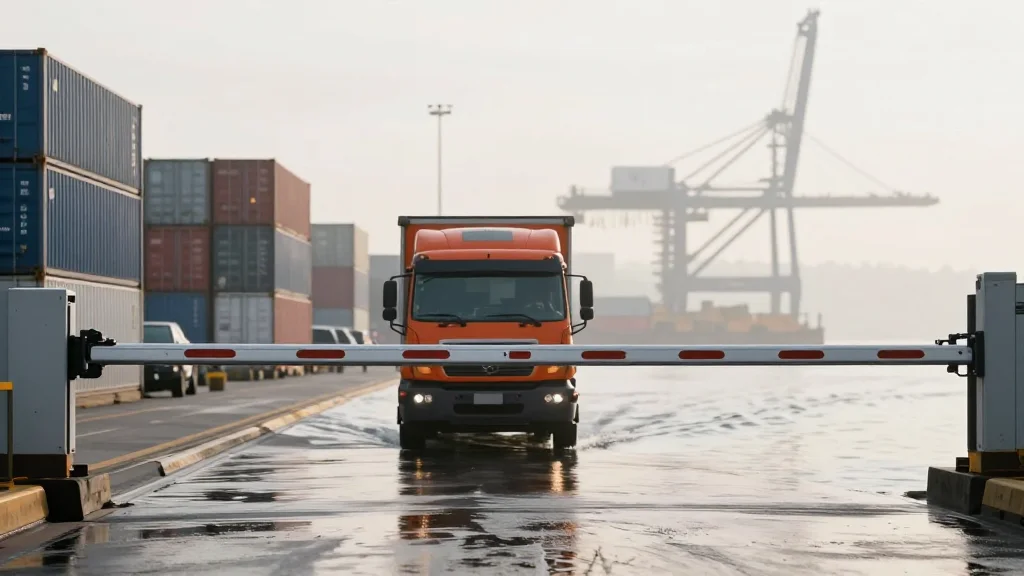
NWSA Knocks SSA for Gate Closures at Its Seattle Terminals
Why It Matters
Gate shutdowns could delay container movement, raise drayage costs, and erode Seattle’s competitive edge against neighboring West Coast ports. Stakeholders must address the operational gap to preserve throughput and labor productivity.
Key Takeaways
- •SSA closes Terminal 5 gates Mondays, Terminal 18 gates Fridays.
- •Closures follow cancellation of Sun Chief Express Service from Southeast Asia.
- •NWSA warns gate shutdowns could create operational friction.
- •Weekly closures may increase drayage costs and container dwell times.
Pulse Analysis
The Seattle‑Tacoma port complex, governed by the Northwest Seaport Alliance, has faced a sudden shift in cargo dynamics after the Sun Chief Express Service—one of the few direct Southeast Asian links—was discontinued in March. SSA Terminals, which operates the two major Seattle marine terminals, cited softer volumes as the catalyst for its decision to suspend gate and yard access one day per week. While vessel berthing will continue uninterrupted, the reduced gate availability directly affects the inland movement of containers, a critical node in the trans‑Pacific supply chain.
Operational friction is the immediate concern for shippers, drayage firms, and labor groups. A closed gate means trucks must wait longer to pick up or drop off containers, inflating dwell times and pushing drayage rates higher. For a region already competing with Los Angeles, Long Beach, and Oakland, any perceived inefficiency can sway carrier routing decisions. Moreover, labor unions worry that intermittent closures could disrupt shift patterns and safety protocols, potentially leading to overtime costs or workforce grievances.
Looking ahead, the situation underscores the need for greater flexibility in port operations amid volatile trade flows. Stakeholders may negotiate temporary staffing adjustments, alternative gate schedules, or even collaborative use of nearby terminals to mitigate bottlenecks. At a macro level, the episode reflects broader industry trends: carriers trimming services in response to demand swings, and ports balancing cost control with service reliability. How quickly SSA and NWSA can align on a solution will influence Seattle’s ability to recapture market share as global shipping rebounds.
NWSA knocks SSA for gate closures at its Seattle terminals
Comments
Want to join the conversation?
Loading comments...