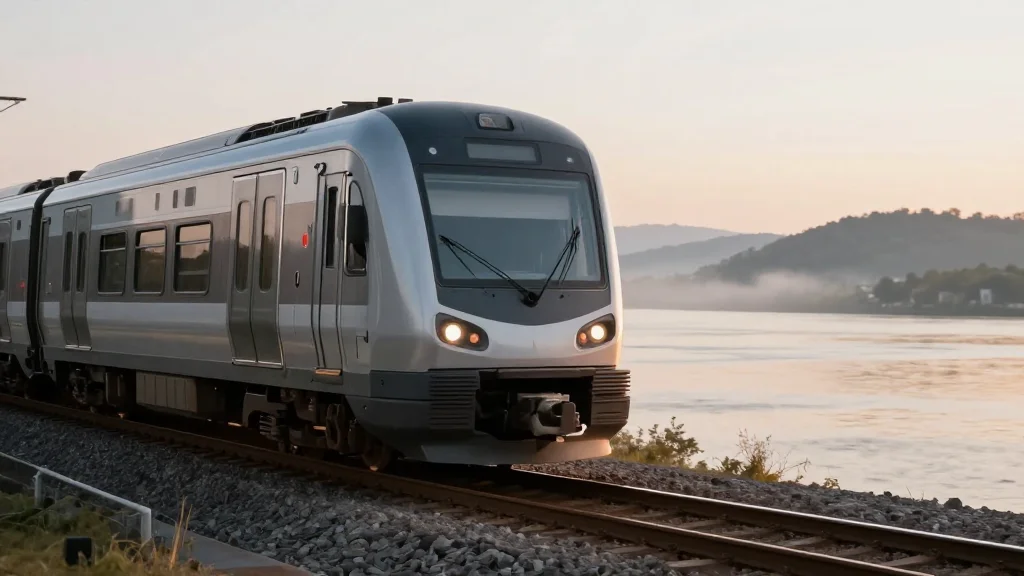
NY: Hinchey, State Lawmakers Push for Metro-North Extension to Albany, Including Rhinecliff
Why It Matters
Restoring the Metro‑North extension would lower travel costs, improve regional connectivity, and boost upstate New York’s economy while challenging the state’s recent reliance on Amtrak‑only service.
Key Takeaways
- •Hinchey and 17 senators request Gov. Hochul revive Metro‑North Albany extension
- •Proposed stops include Rhinecliff and Hudson, currently served only by Amtrak
- •Extension promises lower fares and no reservation requirement versus Amtrak
- •Lawmakers argue project boosts upstate economy and addresses transit inequities
- •Hochul shelved plan after Amtrak restored full Empire Service to Albany
Pulse Analysis
The Metro‑North extension to Albany has resurfaced as a flashpoint in New York’s transportation policy. First unveiled in October 2025, the plan would push commuter‑rail service beyond its current terminus at Poughkeepsie, adding Rhinecliff and Hudson—stations that today rely solely on Amtrak’s Empire Service. By offering flat‑rate, reservation‑free tickets, Metro‑North promises a more predictable and affordable alternative to Amtrak’s demand‑priced fares. Lawmakers see the project as a way to diversify travel options and reduce the cost burden on commuters who currently face fluctuating prices and limited flexibility.
Beyond price, the extension carries significant economic implications for the Hudson Valley. Easier access to New York City can attract tourists, support local businesses, and encourage residential growth in historically underserved towns. Studies of similar commuter‑rail expansions show increased property values and higher retail sales within a few years of service initiation. For upstate legislators, the project also serves a political purpose: it signals a commitment to addressing long‑standing transit inequities between the capital region and the city, reinforcing the narrative of a balanced upstate‑downstate partnership.
However, reviving the extension faces fiscal and logistical hurdles. The state must allocate capital for track upgrades, signaling systems, and station enhancements, all while competing for funding with other infrastructure priorities such as the East River tunnel repairs. Additionally, Amtrak’s recent restoration of full Empire Service complicates coordination, as the two agencies must negotiate track usage and scheduling. If the governor’s office embraces a joint‑funding model, the extension could proceed within the next two to three years, delivering the promised affordability and connectivity that upstate advocates have long championed.
NY: Hinchey, state lawmakers push for Metro-North extension to Albany, including Rhinecliff
Comments
Want to join the conversation?
Loading comments...