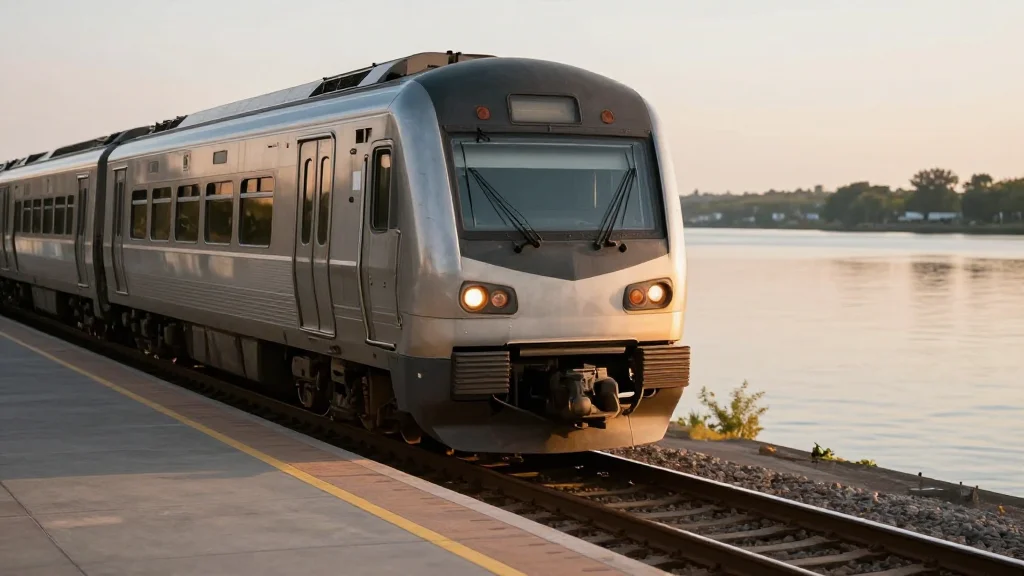
NY: Kingston Asks State to Look at Passenger Rail Service on West Side of Hudson River
Why It Matters
Restoring passenger rail could dramatically improve mobility for underserved west‑of‑Hudson communities and stimulate regional economic growth. The study signals a strategic shift toward multimodal transportation solutions in a historically rail‑rich corridor.
Key Takeaways
- •Kingston council requests state-funded feasibility study for West Shore passenger rail
- •Study will include Ulster, Orange, and Rockland municipalities as stakeholders
- •Current west‑side transit relies on free bus service; no passenger rail
- •Restoring rail could link Kingston to NYC, boosting mobility and economy
- •Union Station demolished; West Shore passenger service ended in 1958
Pulse Analysis
The push for a passenger rail revival on the West Shore Line reflects a broader recognition that the Hudson River’s west side suffers from limited transit options. While Metro‑North serves Orange and Rockland counties, Ulster County residents depend on a network of free bus routes that lack the speed and reach of rail. Historically, Kingston was a hub for multiple railroads, facilitating both commuter travel and freight movement. Re‑establishing a modern rail corridor would fill a critical gap, offering a direct, high‑capacity link to New York City and integrating with existing Amtrak services at Rhinecliff.
A state‑backed feasibility study, as requested by the Kingston council, will evaluate ridership potential, infrastructure costs, and environmental impacts. Planners will need to assess the condition of the existing freight‑only CSX River Subdivision, identify required upgrades such as signaling, stations, and electrification, and coordinate with regional agencies like the Metropolitan Transportation Authority. Early projections suggest that a commuter service could attract thousands of daily riders, easing road congestion and providing a more sustainable alternative to car travel. Comparisons to the successful Newburgh rail initiative underscore the importance of stakeholder engagement and phased implementation.
Beyond transportation, the rail restoration promises economic dividends for the Hudson Valley. Improved access can attract businesses, boost tourism, and raise property values in Kingston and surrounding towns. Moreover, reconnecting the historic freight corridor could revitalize local supply chains, supporting agriculture and manufacturing that once thrived on rail links. Funding will likely require a mix of state allocations, federal grants, and possibly public‑private partnerships, mirroring models used in other regional rail projects. If the study confirms viability, the West Shore Line could become a catalyst for long‑term growth and a template for expanding rail service across underserved corridors.
NY: Kingston asks state to look at passenger rail service on west side of Hudson River
Comments
Want to join the conversation?
Loading comments...