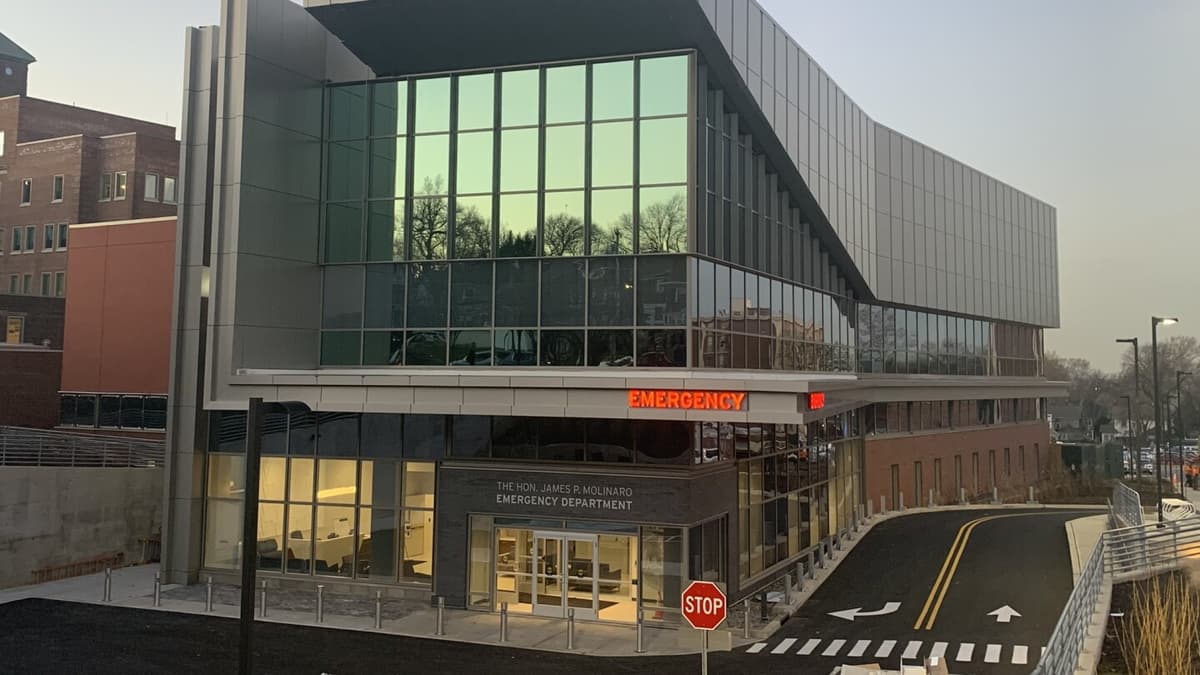
NYC Hospital Takes Additional Ambulances Out of Service Due to Financial Challenges
Companies Mentioned
Why It Matters
Fewer ambulances reduce emergency coverage in a dense urban area, potentially lengthening response times and affecting patient outcomes. The cuts also signal broader fiscal pressure on independent hospitals, foreshadowing further service reductions or consolidations.
Key Takeaways
- •RUMC cuts two 911 ambulances, leaving four daytime units.
- •Overnight ambulance shift ended earlier this year, further reducing coverage.
- •FDNY proposes ambulance fee hike up to $2,200 per transport.
- •Citywide ambulance response times have risen ~2 minutes in five years.
Pulse Analysis
Richmond University Medical Center’s decision to pull two ambulances from service underscores the fiscal challenges facing independent hospitals in New York City. Without the backing of a large health system, RUMC must constantly evaluate operational costs, especially after recent federal reimbursement cuts. By trimming its emergency fleet, the hospital aims to preserve financial stability while still providing daytime coverage, but the move reduces redundancy that can be critical during peak demand or large-scale incidents.
The ambulance cuts are part of a broader trend across the five boroughs, where hospitals like Staten Island University and Lenox Hill have already trimmed EMS staffing. Simultaneously, the FDNY is considering a fee increase that would raise a basic life‑support transport from $1,385 to $1,793 and push more complex transports toward $2,200. These proposals aim to offset rising labor costs, including a push for pay parity that would lift EMT base salaries toward $59,000 after five years. Higher charges, however, risk placing additional financial strain on patients already navigating costly healthcare services.
Rising response times—up nearly two minutes for life‑threatening calls over the past five years—highlight the potential public‑health impact of reduced ambulance availability and higher fees. Slower EMS response can affect survival rates for cardiac events and trauma. Policymakers may need to explore solutions such as regional EMS collaborations, targeted subsidies for independent hospitals, or accelerated integration with larger health networks to sustain adequate emergency coverage while managing cost pressures.
NYC hospital takes additional ambulances out of service due to financial challenges
Comments
Want to join the conversation?
Loading comments...