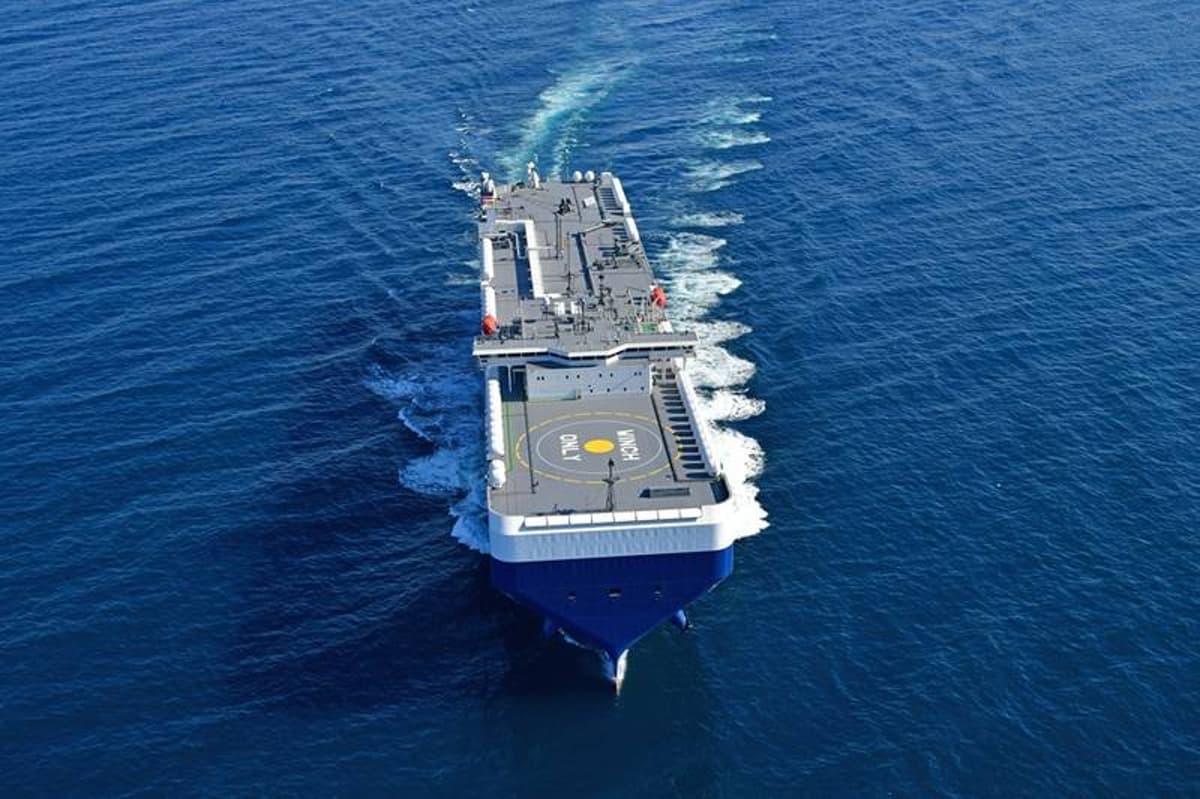
NYK Launches Long-Term Trial of 100% Biofuel
Why It Matters
Demonstrating reliable, long‑term use of B100 could accelerate decarbonization across the global fleet, offering a near‑term pathway to lower greenhouse‑gas emissions without costly engine redesigns.
Key Takeaways
- •NYK starts one-year continuous B100 trial on car carrier
- •B100 derived from used cooking oil, a drop‑in fuel
- •Trial assesses engine wear, fuel system stability, and operational safety
- •Data will inform broader adoption of high‑purity biofuels in shipping
- •Prior NYK tests included B24 and B30 blends
Pulse Analysis
The shipping industry faces mounting pressure to cut carbon emissions, and biofuels have emerged as a pragmatic bridge technology. Unlike hydrogen or ammonia, B100 can be used in existing diesel engines and fuel infrastructure, allowing operators to reduce their carbon footprint while deferring major capital upgrades. NYK’s decision to test a pure fatty‑acid methyl ester derived from waste cooking oil underscores the growing confidence that renewable feedstocks can meet the scale and reliability demands of global trade.
B100’s chemical composition presents unique operational challenges. The fuel is prone to oxidation, polymerization, and microbial growth when exposed to heat, light, or oxygen, potentially compromising engine components and fuel lines over time. By running a car carrier continuously for twelve months, NYK will collect granular data on fuel stability, filter clogging, combustion efficiency, and maintenance cycles. The trial also evaluates logistical aspects such as storage handling, bunkering procedures, and real‑world performance across varied sea conditions, filling a critical data gap that has limited broader industry adoption.
If the trial confirms that B100 can operate safely and efficiently, it could reshape fuel procurement strategies for shipowners worldwide. Regulators may view the results as evidence to support more favorable tax incentives or carbon credit schemes for biofuel use. Moreover, the success of a drop‑in solution could spur investment in larger‑scale production of waste‑oil‑derived fuels, creating a virtuous cycle of waste reduction and emissions mitigation. NYK’s initiative therefore stands as a bellwether for the next phase of maritime decarbonization, where proven, low‑risk alternatives accelerate the transition toward a greener global supply chain.
NYK Launches Long-Term Trial of 100% Biofuel
Comments
Want to join the conversation?
Loading comments...