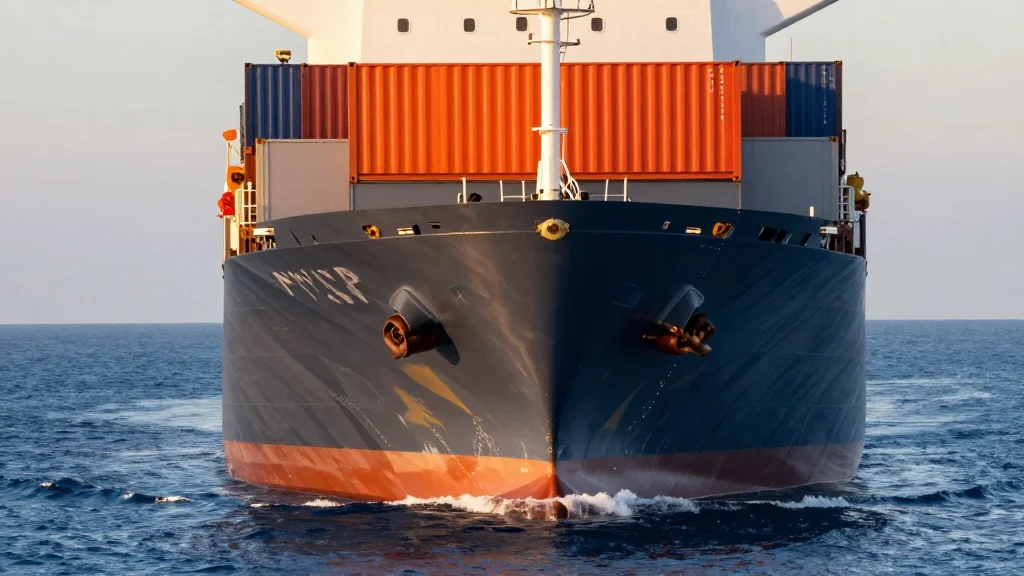
Ocean Carriers Cash in as High Demand Piles on Stretched Shipping System
Why It Matters
Rising spot rates increase freight costs, squeezing margins for import‑dependent businesses and feeding broader inflation pressures in global supply chains.
Key Takeaways
- •Spot container rates hit two‑year highs on Asia‑Europe and trans‑Pacific lanes
- •Importers are front‑loading shipments, filling available capacity weeks ahead
- •Geopolitical tensions, fuel price spikes, and port congestion strain the system
- •Forwarders warn customers to book weeks in advance to secure space
- •Early peak season pushes carriers to raise spot rates, boosting earnings
Pulse Analysis
The current freight market reflects a perfect storm of macro‑economic and operational pressures. A sharp uptick in demand from U.S. and European importers, driven by concerns that inflation could erode purchasing power, has led to aggressive pre‑positioning of goods on the trans‑Pacific and Asia‑Europe corridors. At the same time, lingering geopolitical tensions—particularly in the Middle East and the South China Sea—have disrupted vessel routing, while soaring bunker fuel prices have forced carriers to reassess cost structures. Combined with chronic congestion at key ports such as Los Angeles, Long Beach, and Rotterdam, these factors have compressed available container space, prompting a rapid escalation in spot rates.
Carriers are capitalising on the constrained supply by raising spot rates to levels not seen since 2022, translating into immediate revenue windfalls. Forwarders, acting as intermediaries, are now advising shippers to lock in capacity weeks ahead, a shift from the traditionally more flexible booking windows. This behaviour underscores a broader market realignment where price certainty becomes a premium service. For import‑heavy sectors—electronics, apparel, and automotive components—the heightened freight costs will likely be passed through to end consumers, adding another layer to inflationary pressures.
Looking forward, the sustainability of these elevated rates hinges on several variables. If geopolitical flashpoints ease and port infrastructure investments alleviate bottlenecks, capacity could gradually normalise, tempering price spikes. Conversely, persistent fuel price volatility or new trade restrictions could keep the market tight, extending the period of high freight costs. Stakeholders across the supply chain should monitor these dynamics closely, as they will shape cost structures, inventory strategies, and ultimately, competitive positioning in the global marketplace.
Ocean carriers cash in as high demand piles on stretched shipping system
Comments
Want to join the conversation?
Loading comments...