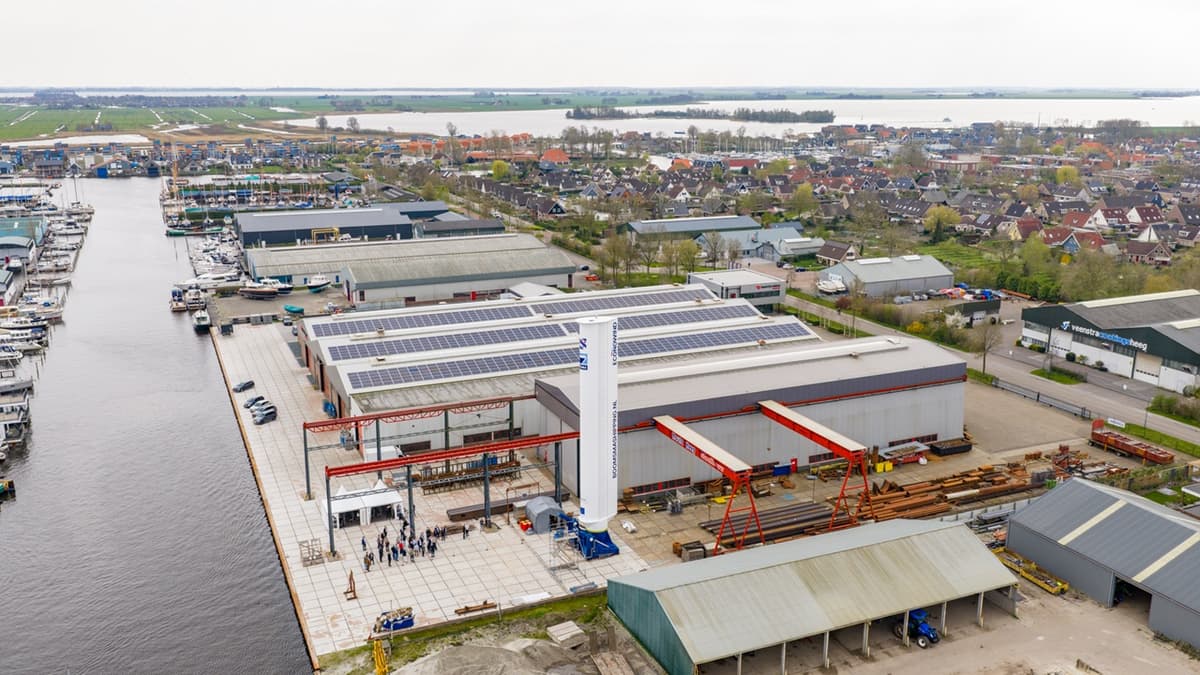
Oil Crisis Puts Wind in Econowind Sails
Why It Matters
With fuel costs at historic highs, a 15% reduction can materially improve operating margins and help shipowners meet tightening emissions regulations, accelerating the shift toward wind‑assisted propulsion in commercial shipping.
Key Takeaways
- •Econowind launches 30 m series‑five suction sail for deep‑sea vessels
- •Steel 65‑tonne sail replaces 7.5‑tonne aluminium version, boosting durability
- •First unit to be fitted on Boomsma’s Frisian Future this summer
- •Wind‑assisted propulsion promises ~15% fuel savings without crew intervention
Pulse Analysis
The recent surge in bunker fuel prices—clean diesel hovering around $1,000 per tonne—has renewed scrutiny of any technology that can lower a ship’s fuel bill. Shipping operators, already under pressure from the International Maritime Organization’s carbon intensity targets, are evaluating alternatives ranging from LNG to electrification. Wind‑assisted propulsion, once a niche retrofit, is gaining traction because it offers immediate fuel savings without the need for new fuel infrastructure. Econowind’s announcement arrives at a moment when cost‑effective decarbonisation solutions are in high demand.
Econowind’s series‑five suction sail represents a step change in design. The 30‑metre wing is built from steel, bringing the unit weight to 65 tonnes—far heavier than the 7.5‑tonne aluminium series‑three but also more robust for the harsh deep‑sea environment. Manufactured in Asia close to new‑building yards, the sails integrate five electric‑fan motors and sensor‑driven autopilot that continuously optimises the wind angle, allowing crews to engage the system with a single switch. The first installation on Boomsma Shipping’s Frisian Future is scheduled for this summer, promising an estimated 15 percent reduction in fuel consumption.
The deployment of larger suction sails could reshape the economics of bulk and container shipping. By cutting fuel use, operators not only improve margins but also gain compliance mileage toward IMO 2025 and 2030 emission caps, potentially avoiding future carbon taxes. However, adoption hurdles remain, including deck‑space constraints on container vessels and the upfront capital outlay. As more shipowners announce wind‑ready new builds, and as trials with carriers like ONE progress, Econowind is positioned to capture a growing share of the market that bridges traditional propulsion and full‑scale renewable retrofits.
Oil crisis puts wind in Econowind sails
Comments
Want to join the conversation?
Loading comments...