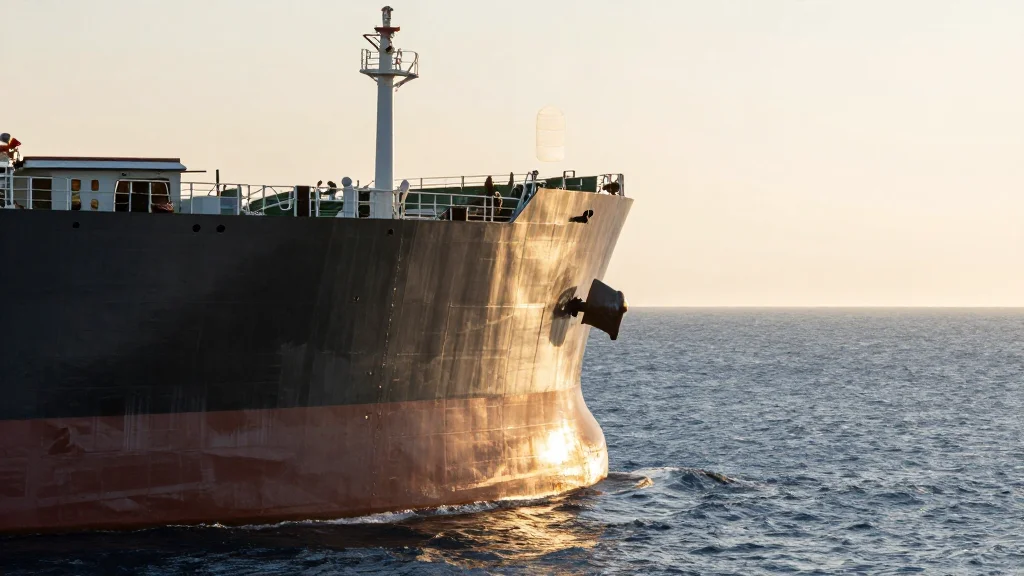
Oil Supertanker Orders Eclipse Record Set in 2008
Companies Mentioned
Why It Matters
The unprecedented order book could recreate the 2008 oversupply that collapsed freight rates, posing a systemic risk to the tanker market. At the same time, it signals a capital‑intensive renewal cycle that may reshape ownership structures and pricing dynamics.
Key Takeaways
- •262 supertankers on order, each 2 million barrels capacity
- •Orders exceed 2008 peak, over 25% of current fleet
- •Second‑hand tanker prices hit $115 million, highest since 2008
- •MSC‑backed buyer drives demand, snapping up vessels at premium
- •Fleet average age highest since 1998, prompting renewal
Pulse Analysis
The current wave of supertanker orders reflects a market caught between short‑term geopolitical disruption and long‑term capacity planning. The Iran‑related conflict has driven freight rates to historic highs, prompting shipowners to lock in new builds while cash flows remain robust. Yet the blockage of the Strait of Hormuz has already curtailed cargo movements, hinting that the surge in demand may be fleeting. Analysts therefore watch closely whether the 262 vessels on order will be absorbed once the war‑induced premium fades.
Historical parallels to the 2008 boom are striking. Back then, an aggressive ordering spree led to a glut that slashed charter rates and forced many operators into distress. Today, the order volume represents more than a quarter of the existing fleet, a proportion not seen since the post‑2005 expansion. Coupled with second‑hand prices hitting $115 million—a level unseen in over a decade—the industry faces a potential oversupply scenario that could depress earnings if global oil demand stalls or alternative transport routes gain traction.
Strategic players are positioning themselves for both outcomes. MSC’s backing of a South Korean shipowner has accelerated acquisitions, suggesting confidence in sustained premium rates or a desire to control future supply. Meanwhile, older vessels are being retired or repurposed as owners seek to modernize an aging fleet, whose average age is now the highest since 1998. Investors should monitor charter‑rate trends, geopolitical developments, and financing conditions, as these factors will dictate whether the current boom translates into long‑term growth or repeats the 2008 downturn.
Oil Supertanker Orders Eclipse Record Set in 2008
Comments
Want to join the conversation?
Loading comments...