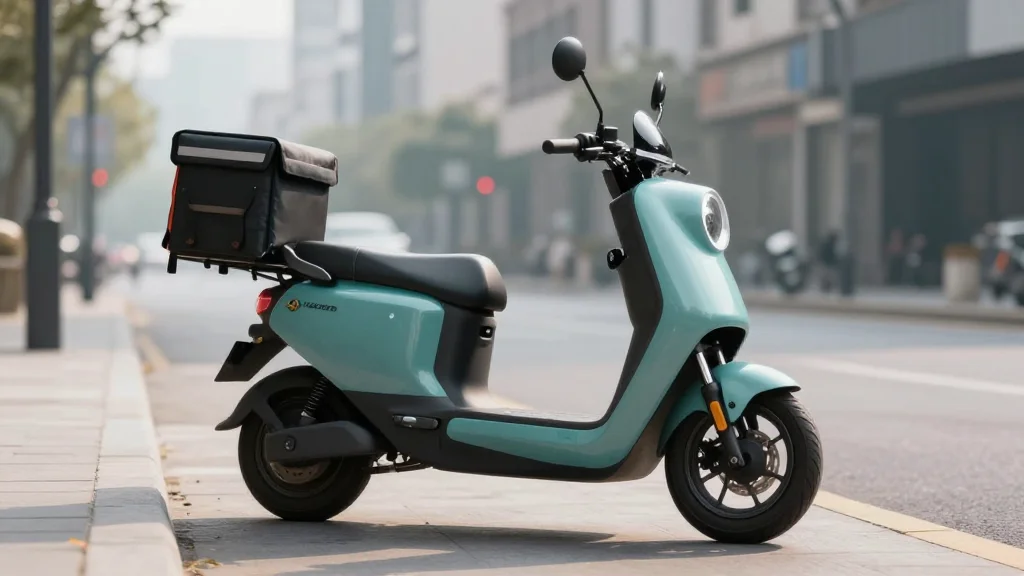
Ola Electric Gets Regulatory Approval for Commercial E-Scooter Launch
Companies Mentioned
Why It Matters
The approval positions Ola Electric to tap a fast‑growing commercial EV segment, offering fleet operators a lower‑cost, high‑utilisation alternative to petrol scooters and accelerating India’s broader electrification agenda.
Key Takeaways
- •Ola Electric received homologation for a 4 kW commercial e‑scooter.
- •The scooter targets delivery, quick‑commerce and urban fleet operators.
- •Top speed is ~70 km/h, suitable for city logistics.
- •Delhi's draft EV policy may ban ICE two‑wheelers by 2028.
- •Commercial EV two‑wheelers promise faster turnover and higher fleet utilization.
Pulse Analysis
India’s commercial two‑wheeler market is poised for rapid expansion as fuel prices climb and regulators push for electrification. Recent supply disruptions in the Strait of Hormuz have spiked gasoline costs, squeezing gig‑economy riders who rely on cheap petrol scooters. Simultaneously, city administrations such as Delhi are drafting policies that could prohibit new internal‑combustion engine two‑wheelers within the next two years, creating a policy vacuum that electric manufacturers are eager to fill. This confluence of economic pressure and regulatory support is reshaping fleet economics across the subcontinent.
Ola Electric’s newly homologated scooter leverages its proven S1 platform, but with a purpose‑built configuration for high‑usage commercial scenarios. The 4‑kilowatt motor delivers a top speed of roughly 70 km/h, balancing speed with energy efficiency for dense urban routes. By focusing on operating economics, range, and fleet utilisation, the vehicle addresses the core concerns of delivery riders and fleet managers: lower per‑kilometre costs, reduced downtime, and predictable performance. The homologation, granted under the Central Motor Vehicle Rules, signals that the company has cleared a critical regulatory hurdle, bringing a commercial launch within sight.
The entry of a heavyweight like Ola Electric intensifies competition in a segment that could become a volume engine for the country’s EV transition. Established scooter makers and emerging startups alike will need to offer robust leasing, service, and battery‑swap solutions to win over fleet operators. As commercial fleets adopt electric two‑wheelers, the faster replacement cycles and higher daily utilisation will drive demand for scalable production, potentially lowering costs across the supply chain. Ola’s move therefore not only expands its product portfolio but also accelerates the broader shift toward electric mobility in India’s bustling urban logistics ecosystem.
Ola Electric gets regulatory approval for commercial e-scooter launch
Comments
Want to join the conversation?
Loading comments...