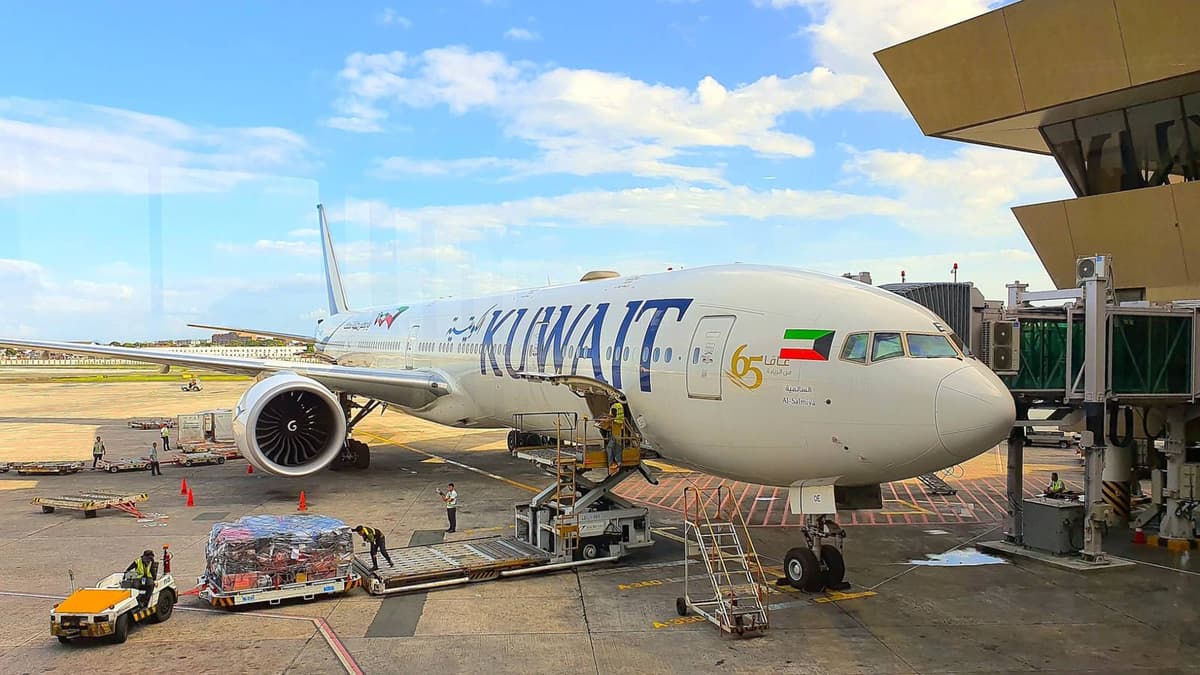
One Dead After Drone Strike Hits Kuwait International Airport
Companies Mentioned
Why It Matters
The strike underscores how geopolitical tensions can instantly cripple critical air transport infrastructure, affecting regional mobility and airline revenue. It also highlights the need for airlines and regulators to develop rapid response protocols for conflict‑driven disruptions.
Key Takeaways
- •Iranian drones struck Kuwait Airport, killing one and injuring 60+
- •Terminal One suffered severe damage, prompting airspace closure
- •Kuwait Airways waived rebooking fees for today's disrupted flights
- •Eight departures and ten arrivals canceled; 15 departures, eight arrivals delayed
- •Regional airlines diverted flights to Saudi Arabia’s Dammam airport
Pulse Analysis
The June 3 drone strike on Kuwait International Airport marks a stark escalation in the 2026 Iran crisis, where retaliatory attacks have begun to target civilian infrastructure far beyond the immediate combat zone. Iranian unmanned systems, launched in response to overnight U.S. strikes, demonstrated a growing capability to breach the air defenses of a U.S. ally, raising concerns among security analysts about the vulnerability of major hubs in the Gulf. This incident adds a new dimension to the conflict, forcing policymakers to reassess risk assessments for commercial aviation in contested airspace.
Operationally, the damage to Terminal One forced Kuwait’s civil aviation authority to shut the nation’s airspace, prompting airlines to reroute flights to alternative airports such as Dammam in Saudi Arabia. Kuwait Airways, responsible for nearly 50% of daily movements, halted its schedule and offered fee‑free rebookings, a move aimed at preserving customer goodwill while managing capacity constraints. The disruption led to eight departures and ten arrivals being canceled, with an additional 23 flights delayed, creating a ripple effect across carriers like Emirates, Qatar Airways, and Etihad that rely on Kuwait as a regional hub. Passengers face extended travel times, increased costs, and heightened uncertainty.
The broader implications extend to supply chains and regional commerce, as Kuwait serves as a gateway for cargo moving between Asia, Europe, and Africa. Prolonged airport downtime could pressure logistics firms to seek alternative routes, inflating freight rates and straining inventory buffers. Moreover, the attack signals to airlines worldwide that geopolitical flashpoints can quickly translate into operational crises, prompting a reevaluation of route diversification and insurance coverage. Stakeholders will watch closely how Kuwait’s authorities restore full service and what diplomatic steps follow to deter further escalation.
One Dead After Drone Strike Hits Kuwait International Airport
Comments
Want to join the conversation?
Loading comments...