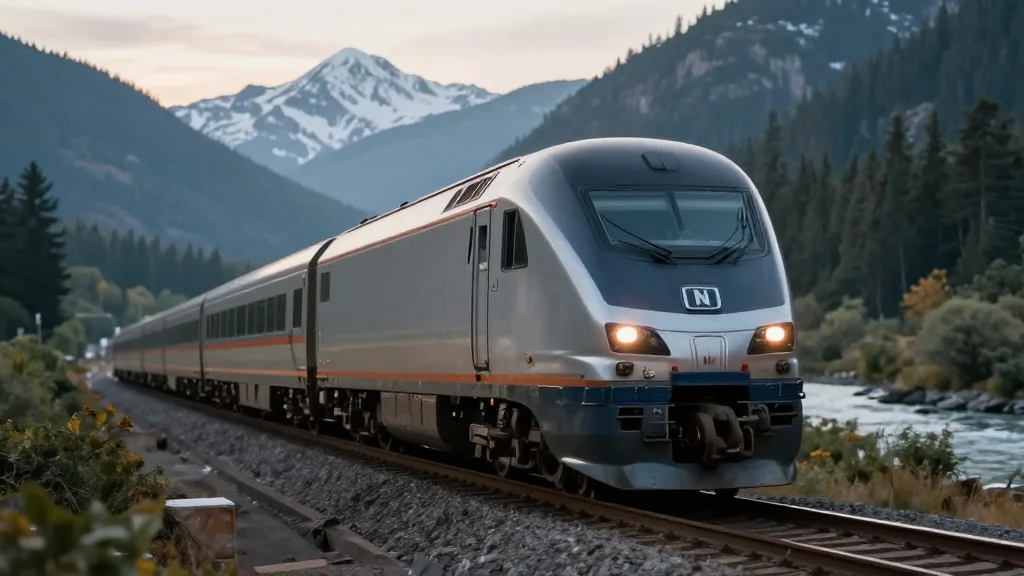
OR: New Amtrak Trains Coming Soon to Pacific Northwest, but Not in Time for World Cup
Why It Matters
The delay limits Amtrak Cascades’ ability to accommodate the surge of international fans, exposing a capacity gap that could strain regional transportation during a high‑profile event. The new fleet and maintenance hub signal a longer‑term upgrade but offer no immediate relief.
Key Takeaways
- •Airo trainsets arrive late summer 2026, missing World Cup
- •Capacity limited by national railcar shortage this summer
- •New fleet adds 300 seats per train, up from 150‑250
- •$300 million maintenance facility slated for early 2027 completion
Pulse Analysis
Amtrak’s Cascades line is the first to receive the next‑generation Airo fleet, part of a 2021 nationwide modernization program that ordered eight new trainsets, two locomotives and a spare cab car. While testing on the East Coast is progressing, Amtrak executives stress that rushing untested equipment into service would jeopardize safety and crew readiness. The broader industry faces a chronic shortage of passenger railcars, a bottleneck that has forced the Cascades service to operate with reduced capacity since the retirement of aging Horizon cars last spring.
The 2026 FIFA World Cup is expected to draw up to 750,000 visitors to the Seattle‑Vancouver corridor, creating a seasonal spike that the current fleet cannot fully absorb. Regional authorities have responded by boosting Sound Transit commuter and light‑rail frequencies on game days and exploring limited cross‑border coach additions, but the national railcar deficit caps how many extra seats can be supplied. Congestion at border crossings and competing summer travel demand further amplify the logistical challenge, underscoring the importance of diversified transit options beyond Amtrak.
When the Airo trains finally enter revenue service, they will offer 300 seats per set—significantly more than the 150‑250 seats available on existing Talgo and Amfleet equipment—along with modern amenities such as Wi‑Fi, power outlets, and touchless restrooms. Coupled with a $300 million maintenance facility slated for early 2027, the upgrade promises improved reliability and faster turnaround times, laying the groundwork for future service expansions envisioned by Washington and Oregon legislators. Although the new fleet will miss the World Cup window, its long‑term capacity boost positions the Pacific Northwest to capture growing intercity travel demand in the post‑event years.
OR: New Amtrak trains coming soon to Pacific Northwest, but not in time for World Cup
Comments
Want to join the conversation?
Loading comments...