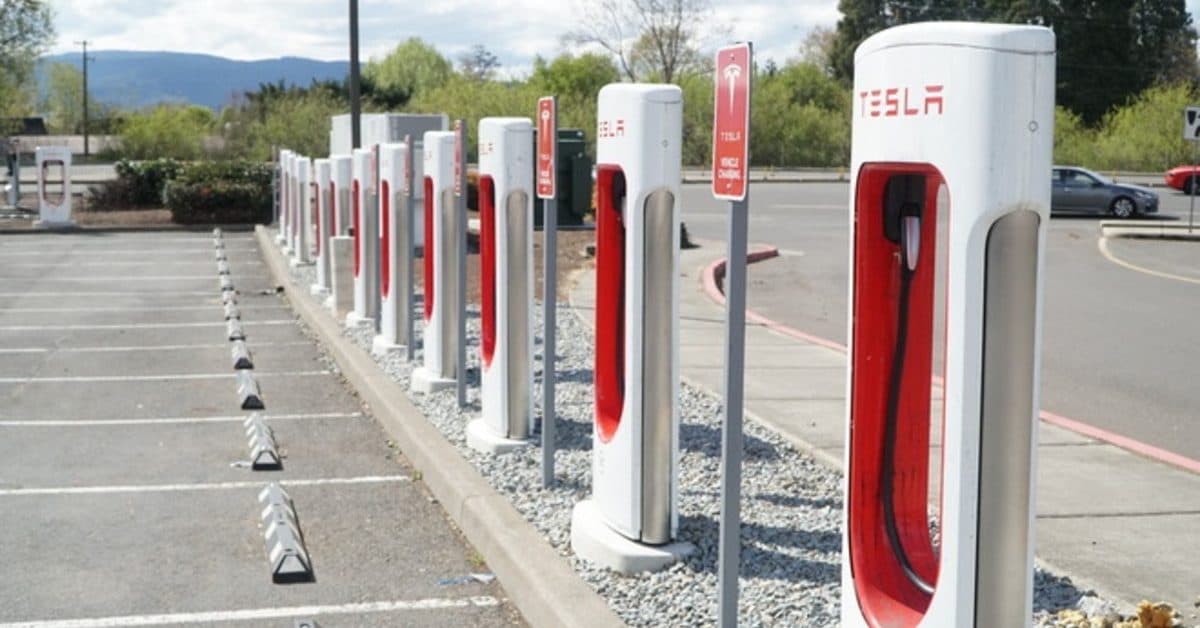
Oregon Boosts EV Road Trips with 24 New Fast-Charging Sites
Why It Matters
The expansion reduces range anxiety for EV drivers on Oregon’s major corridors, accelerating EV adoption and supporting the Biden administration’s nationwide fast‑charger rollout.
Key Takeaways
- •ODOT awards $16.7M to seven private charging firms
- •~126 new DC fast‑charging ports will debut on key highways
- •Sites include restrooms, food and retail to mimic traditional rest stops
- •Round 3 will focus on rural gaps, targeting I‑82 and Highway 42
Pulse Analysis
Oregon’s latest NEVI investment marks a pivotal step in building a coast‑to‑coast electric vehicle (EV) infrastructure that mirrors traditional highway rest stops. By pairing 24 fast‑charging stations with amenities such as food courts and restrooms, the state addresses the two biggest pain points for long‑distance EV travelers: charging speed and convenience. The $16.7 million allocation to private operators like Love’s, Tesla and ChargeSmart reflects a public‑private partnership model championed by the Bipartisan Infrastructure Law, ensuring that the stations are not only built quickly but also maintained for at least five years.
The strategic placement of these chargers along Interstate 84, US 20, 26, 97 and 101 creates a contiguous corridor where drivers can expect a reliable charging option every 50‑70 miles. This density aligns with industry recommendations for DC fast‑charging placement on interstates, reducing the likelihood of “range anxiety” and making electric road trips competitive with gasoline‑powered journeys. Moreover, the inclusion of up to eight ports per site allows multiple vehicles to charge simultaneously, a crucial feature as EV adoption accelerates in the Pacific Northwest.
Looking ahead, Oregon’s upcoming third NEVI round will target underserved rural stretches, such as I‑82 and Highway 42, filling critical gaps that could otherwise deter EV owners from venturing off the main corridors. This focus on rural connectivity underscores a broader national trend: the shift from urban‑centric charging to a truly statewide network. As the NEVI program aims to deploy fast chargers across all 50 states within five years, Oregon’s phased approach—urban‑first, then rural—offers a replicable blueprint for other jurisdictions seeking to balance speed of deployment with equitable geographic coverage.
Oregon boosts EV road trips with 24 new fast-charging sites
Comments
Want to join the conversation?
Loading comments...