Otto Selects F/List GmbH to Develop Phantom 3500 Interiors
Why It Matters
Weight savings are the linchpin for viable climate‑neutral aviation; HESTIA’s material and laser technologies promise to lower emissions, reduce operating costs, and reshape the aerospace supply chain.
Key Takeaways
- •HESTIA targets 30% weight reduction in fuselage shells
- •CONTIjoin uses CO₂ lasers to join polymer matrix directly
- •Laser perforation replaces wear‑prone mechanical methods
- •Recycled‑carbon‑fiber window frames cut aircraft CO₂ emissions
Pulse Analysis
Zero‑emission aviation hinges on shedding the extra weight of electric or hydrogen powertrains, and Europe’s HESTIA consortium is tackling that challenge head‑on. Funded by the German Federal Ministry for Economic Affairs and Climate Action, the three‑year initiative brings together Fraunhofer IGCV, IFAM, IWS and Airbus to pioneer thermoplastic‑composite (TPC) fuselage shells. By shifting from traditional thermoset laminates to recyclable thermoplastics, the project seeks to deliver up to a 30% reduction in structural mass while streamlining automated production lines, a critical step toward affordable, climate‑neutral flight.
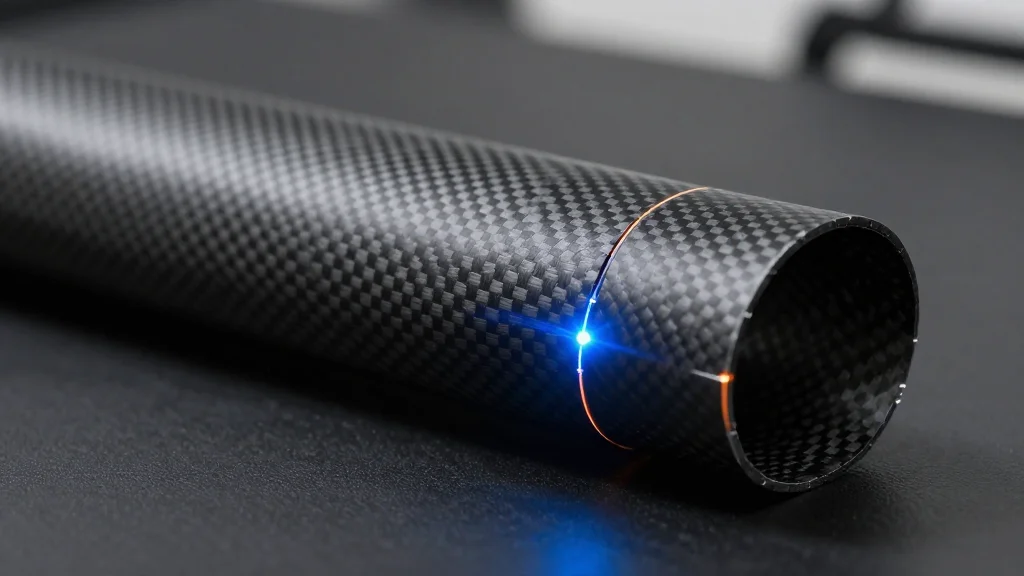
A centerpiece of HESTIA’s technical roadmap is the CONTIjoin process, which employs CO₂‑laser radiation absorbed directly by the polymer matrix rather than carbon fibers. This enables precise thermal control, faster cycle times, and the ability to join multidirectional laminates without the defects common in solid‑state laser methods. Complementary laser‑based perforation replaces wear‑intensive mechanical tools, improving drapeability for complex geometries, while an automated lightning‑protection workflow integrates copper‑mesh layers via thermal spraying, ensuring regulatory compliance without added weight.
Sustainability extends beyond the fuselage to ancillary components such as aircraft window frames. Leveraging recycled carbon fiber (rCF) blended with high‑performance PAEK, the IVW team produces staple‑fiber tapes that conform to curved load paths, delivering comparable strength with a markedly lower carbon footprint. The approach showcases how circular‑economy principles can be embedded in aerospace manufacturing, offering a template for other industries seeking lightweight, recyclable composites. If successful, HESTIA’s innovations could accelerate the market rollout of zero‑emission aircraft and set new standards for material efficiency across the sector.
Otto selects F/List GmbH to develop Phantom 3500 interiors
Comments
Want to join the conversation?
Loading comments...