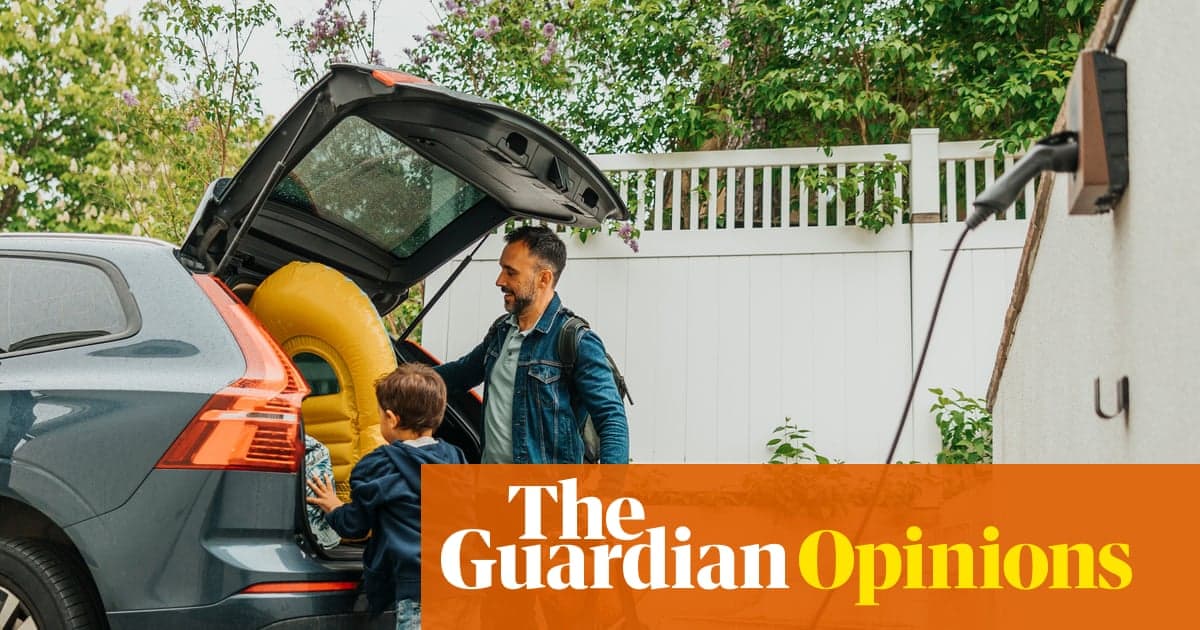
Our First EV Holiday Gave Us ‘Range Anxiety’. But Our Fears Were Soon Left in the Rearview Mirror | Paul Daley
Why It Matters
The story underscores how range anxiety and limited charging infrastructure still challenge EV adoption, yet also reveals a nascent ecosystem that can turn charging stops into economic and social opportunities, accelerating the shift toward electric mobility.
Key Takeaways
- •Range anxiety spikes when real‑world driving reduces estimated battery range.
- •Strategic speed around 100 km/h optimizes energy consumption on highways.
- •Community EV owners often assist newcomers at sparse charging stations.
- •Charging stops create opportunities for local business engagement and tourism.
- •Expanding fast‑charger networks will reshape long‑distance road‑trip planning.
Pulse Analysis
Daley’s narrative illustrates the practical hurdles that early EV road‑trippers face. While manufacturers quote optimistic range figures, variables such as climate control, payload, terrain and driving style can shave 40‑50 km off a projected 500‑km window. By moderating speed to roughly 100 km/h and adjusting acceleration, drivers can stretch the battery’s endurance, turning range anxiety from a psychological barrier into a manageable planning variable. This hands‑on insight is valuable for consumers weighing the transition from internal‑combustion to electric powertrains, especially for those who regularly travel long distances.
Beyond the personal experience, the trip spotlights the evolving charging ecosystem in Australia’s regional corridors. Sparse fast‑charger coverage forces drivers to rely on legacy Level‑2 stations, often staffed by seasoned EV owners who act as informal support hubs. These interactions not only resolve technical glitches but also foster a community culture that can accelerate adoption. Moreover, each charging pause creates a micro‑tourism moment—travelers stop for coffee, local crafts, or a dog walk—injecting revenue into small towns that previously depended on fuel‑station traffic. Policymakers and investors can leverage this synergy by co‑locating amenities with high‑power chargers, turning a logistical necessity into a destination experience.
Looking ahead, the proliferation of ultra‑fast chargers and standardized networks will likely dissolve the current range‑related friction. As battery costs decline and vehicle ranges extend beyond 600 km, electric road trips could become as routine as petrol‑fuelled journeys were a decade ago. This transition will compel automotive manufacturers to redesign interiors and infotainment systems for longer dwell times, while tourism boards may market “charge‑and‑explore” itineraries. In sum, Daley’s holiday serves as a microcosm of the broader shift: infrastructure, community support, and consumer behavior will co‑evolve, redefining how Americans and Australians alike embark on long‑distance travel.
Our first EV holiday gave us ‘range anxiety’. But our fears were soon left in the rearview mirror | Paul Daley
Comments
Want to join the conversation?
Loading comments...