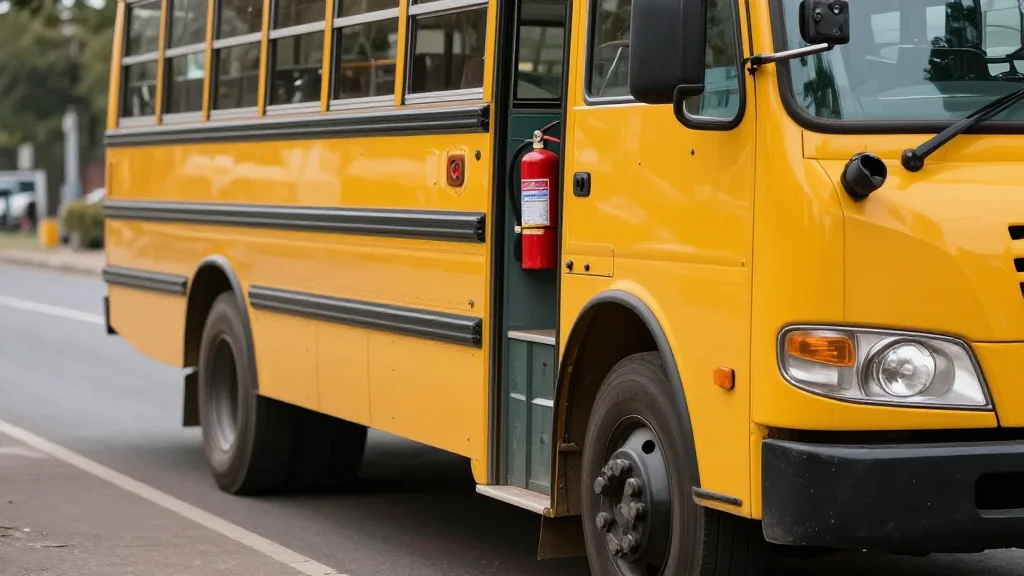
Over 2,800 School Buses Fail Safety Checks in Andhra Pradesh
Why It Matters
The failures expose a systemic risk to student safety and could trigger stricter regulatory enforcement across India. Ensuring roadworthy school transport protects lives and reduces liability for schools and the state.
Key Takeaways
- •2,824 buses failed safety checks out of 9,440 inspected
- •Failures represent roughly 30% of examined school buses
- •Konaseema district had most buses and inspections
- •Low inspection coverage in Krishna, Anakapalli, Guntur districts
- •Non‑roadworthy buses face seizure until deficiencies corrected
Pulse Analysis
School‑bus safety has long been a flashpoint in India's education sector. High‑profile accidents in recent years have highlighted gaps in vehicle maintenance, driver training, and regulatory oversight. Parents, schools, and policymakers increasingly demand transparent standards to protect children during daily commutes. The government’s role is to enforce fitness criteria, ensure emergency equipment is functional, and monitor compliance through periodic inspections. In this climate, any large‑scale audit draws attention not only for its immediate findings but also for its signal to other states.
Andhra Pradesh’s latest enforcement drive inspected 9,440 buses out of a fleet of 17,916 serving 4,011 institutions. Joint Transport Commissioner Sivaram Prasad reported that 6,616 vehicles passed, while 2,824 were flagged for issues ranging from missing fire‑extinguishers and broken emergency exits to absent speed governors and lapsed insurance. The operation focused heavily on districts with dense school networks; Konaseema alone accounted for 1,702 buses and saw 1,112 inspections. Conversely, districts such as Krishna, Anakapalli, and Guntur exhibited coverage gaps, inspecting only 32‑41% of their registered fleets. Buses deemed non‑roadworthy are being ordered to rectify deficiencies or face seizure, a step intended to deter repeat violations.
The audit’s outcomes could reshape transport policy across India. By quantifying a 30% failure rate among inspected vehicles, the state underscores the urgency of tightening certification processes and expanding random spot checks. Other regions may adopt similar data‑driven approaches, leveraging technology for real‑time compliance monitoring. For school operators, the findings serve as a cost‑benefit reminder: investing in regular maintenance and proper documentation reduces the risk of operational shutdowns and potential legal exposure. Ultimately, sustained enforcement and transparent reporting are essential to safeguard student lives and restore public confidence in school‑bus systems.
Over 2,800 school buses fail safety checks in Andhra Pradesh
Comments
Want to join the conversation?
Loading comments...