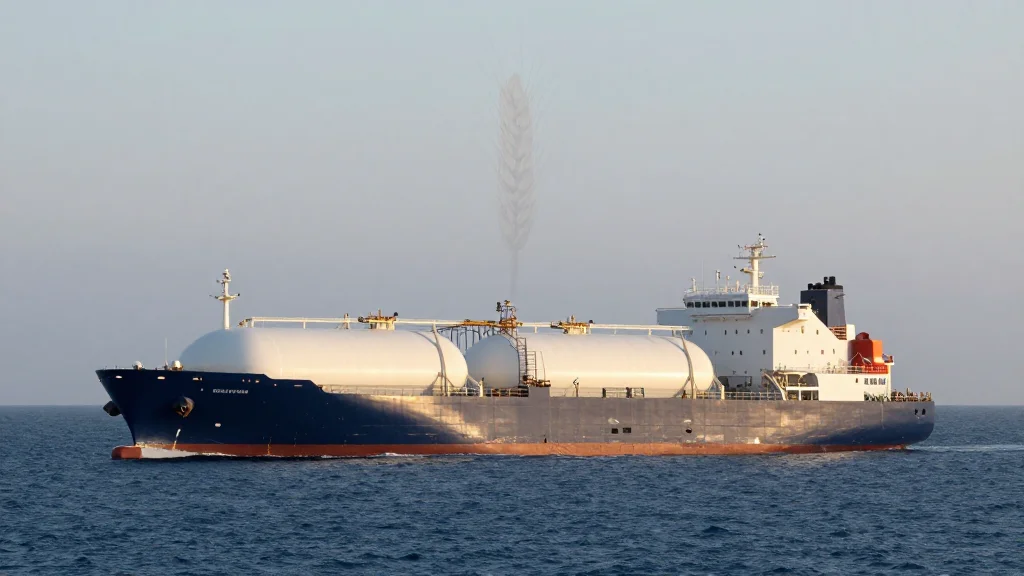
Over 40 India-Bound Vessels Stuck Amid Hormuz Deadlock
Why It Matters
The impasse threatens India’s fuel supply and fertilizer availability, raising costs for consumers and risking agricultural output, while highlighting the broader vulnerability of global trade to geopolitical chokepoints.
Key Takeaways
- •40+ India-bound ships trapped in Persian Gulf since February
- •13 Indian‑flagged vessels and 28 foreign‑flagged vessels on priority list
- •Cargo includes LPG, LNG, crude oil and fertilizer for kharif season
- •Evacuation hinges on reopening Strait of Hormuz for commercial traffic
- •Delays threaten India's energy security and fertilizer availability
Pulse Analysis
The Strait of Hormuz, a narrow waterway that channels roughly 20% of the world’s oil, has become a flashpoint as regional hostilities stall diplomatic talks. When the passage closes, tanker routes are forced to detour around the Cape of Good Hope, adding weeks and millions of dollars to shipping costs. This bottleneck reverberates through global supply chains, inflating energy prices and prompting insurers to raise premiums for vessels that dare to navigate the risk‑laden waters.
For India, the blockage is more than a headline; it directly endangers the nation’s energy matrix and agricultural calendar. Over 40 vessels destined for Indian ports—carrying liquefied petroleum gas, liquefied natural gas, crude oil and essential fertilizers—remain idle, with 13 flying the Indian flag. The Ministry of Shipping has earmarked 41 ships as priority, underscoring the urgency as the kharif sowing season approaches. Fertilizer shortages could depress crop yields, while delayed fuel imports strain an economy already grappling with rising consumer prices.
The path to resolution hinges on diplomatic breakthroughs between the United States and Iran. If talks succeed, the strait could reopen, allowing the listed vessels to be rerouted, possibly via Omani territorial waters—a contingency the Indian government is already coordinating with the Ministry of External Affairs. In the meantime, businesses are reassessing supply‑chain resilience, diversifying import sources, and hedging against further disruptions. The Hormuz deadlock serves as a stark reminder that geopolitical stability remains a critical determinant of maritime logistics and global economic health.
Over 40 India-bound vessels stuck amid Hormuz deadlock
Comments
Want to join the conversation?
Loading comments...