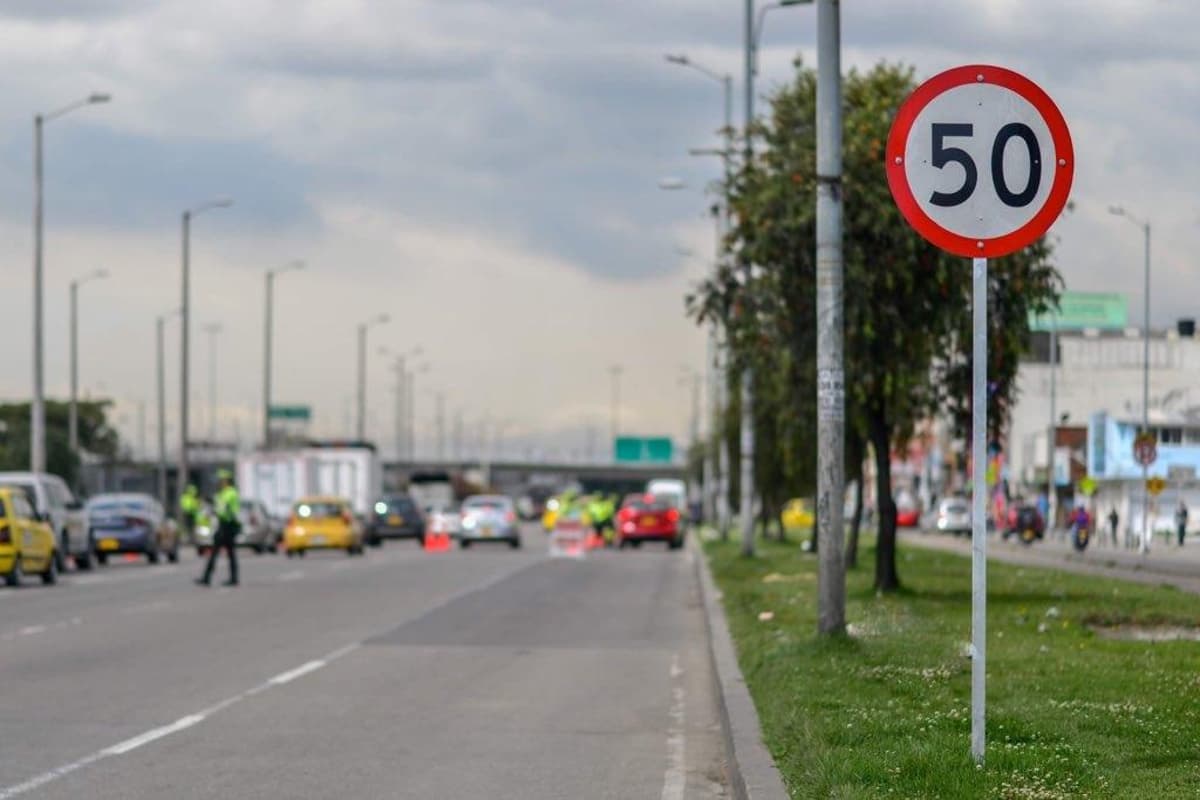
Over A Million Road Crash Deaths Annually Prompt New $350M Investment
Companies Mentioned

Bloomberg
Why It Matters
Road‑traffic deaths are a leading cause of premature mortality and economic loss; scaling proven interventions can dramatically improve public health and productivity worldwide.
Key Takeaways
- •$350M new funding targets 1 million lives saved in five years
- •Initiative already influenced 188 policies and 135 car safety features
- •80,000 traffic police trained across 22 countries
- •Cycling infrastructure to add 200+ miles, cut 97k tons CO₂ by 2040
- •Expansion to 30 cities and 14 countries begins 2026
Pulse Analysis
Road‑traffic injuries remain the leading cause of death for people aged five to 29, claiming roughly 1.19 million lives and injuring up to 50 million annually. The economic toll is equally stark, with most nations losing about 3 % of GDP to crash‑related costs. Bloomberg Philanthropies has been a catalyst in this space since 2007, leveraging private‑sector expertise to push evidence‑based interventions. By pairing data‑driven policy advice with on‑the‑ground training, the Initiative has turned a traditionally fragmented public‑health issue into a coordinated global effort.
The program’s track record demonstrates tangible impact: 188 national, state and city policies have been adopted, 135 vehicle models now carry enhanced safety features, and more than 2,400 hazardous intersections have been redesigned. Training nearly 80,000 traffic police officers across 22 countries has already saved an estimated 900,000 lives, according to Bloomberg’s internal metrics. The fresh $350 million infusion is earmarked to expand these proven measures to 30 additional cities and 14 new countries, with a specific goal of preventing one million deaths over the next five years.
Beyond the human toll, road‑safety improvements generate broader economic and environmental dividends. Reducing crashes frees productive labor, directly addressing the productivity losses highlighted by Dr. Kelly Henning, while safer cycling infrastructure contributes to climate goals—Bloomberg’s cycling program alone is projected to cut 97,000 tons of CO₂ by 2040. For governments, the Initiative offers a replicable playbook: enforce speed limits, lower blood‑alcohol thresholds, and invest in public transit and bike lanes. As more cities adopt these standards, the sector is poised for a wave of private‑sector partnerships and technology‑driven solutions that could redefine urban mobility.
Over A Million Road Crash Deaths Annually Prompt New $350M Investment
Comments
Want to join the conversation?
Loading comments...