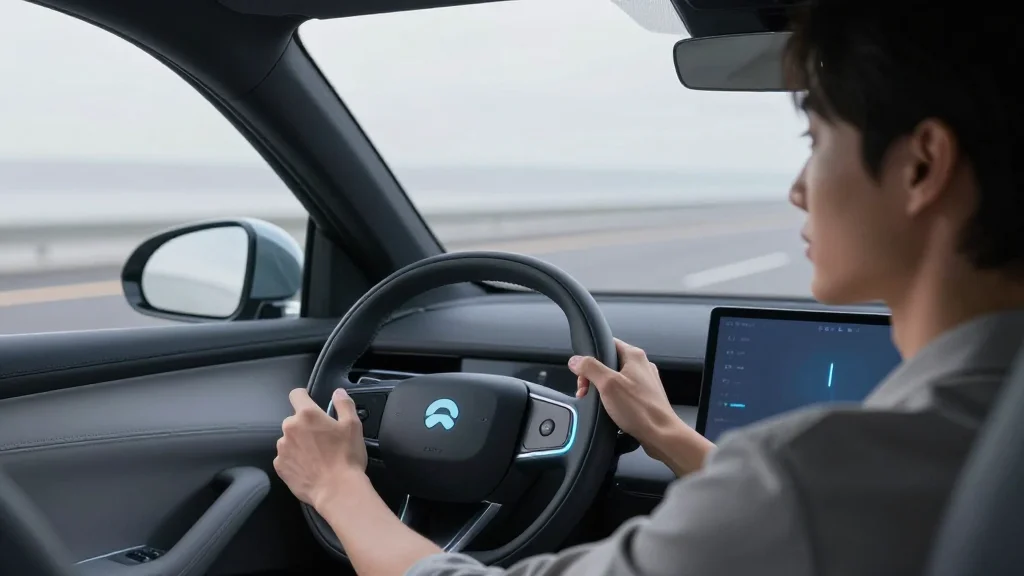
Overbearing Safety Tech Is Annoying, but BMW and Polestar Have Nailed It
Why It Matters
Less intrusive ADAS improves driver confidence and compliance, helping automakers meet stricter safety ratings while reducing the risk of disengagement that undermines crash‑avoidance benefits.
Key Takeaways
- •Euro NCAP adds ‘Driver State Link’ to assess ADAS responsiveness
- •BMW iX3 and Polestar 3 deliver smoother lane‑keep assistance
- •Drivers can keep ADAS active without constant manual deactivation
- •Chinese models like BYD Seal 6 still suffer intrusive alerts
Pulse Analysis
The European New Car Assessment Programme (Euro NCAP) is redefining safety benchmarks by introducing the ‘Driver State Link,’ a metric that evaluates how well a vehicle’s ADAS adapts to the driver’s attention level. This change forces OEMs to move beyond simply installing sensors to creating systems that intelligently gauge driver readiness, delaying intervention when the driver is alert and stepping in promptly when fatigue or distraction is detected. The shift reflects broader regulatory trends that prioritize real‑world effectiveness over checkbox compliance.
BMW’s iX3 and Polestar 3 illustrate the practical benefits of this new approach. Test drivers report that lane‑keep assist now feels like a supportive co‑pilot rather than a nagging intruder, allowing the systems to stay engaged without constant manual shutdowns. By integrating refined driver‑monitoring cameras and adaptive algorithms, these models reduce false positives that previously led to driver frustration. The smoother experience not only enhances safety outcomes but also builds consumer trust, a critical factor as ADAS adoption scales across premium and mainstream segments.
Meanwhile, manufacturers outside Europe, particularly Chinese brands such as BYD, are still grappling with overly aggressive alerts that can prompt drivers to cover or even remove monitoring hardware. As Euro NCAP’s standards gain global influence, market pressure will likely compel these makers to iterate quickly, especially given the rapid feedback loops typical in Chinese automotive development. The convergence toward less intrusive, driver‑centric safety tech promises a future where advanced assistance is universally accepted, boosting overall road safety and aligning with the industry’s push toward higher automation levels.
Overbearing safety tech is annoying, but BMW and Polestar have nailed it
Comments
Want to join the conversation?
Loading comments...