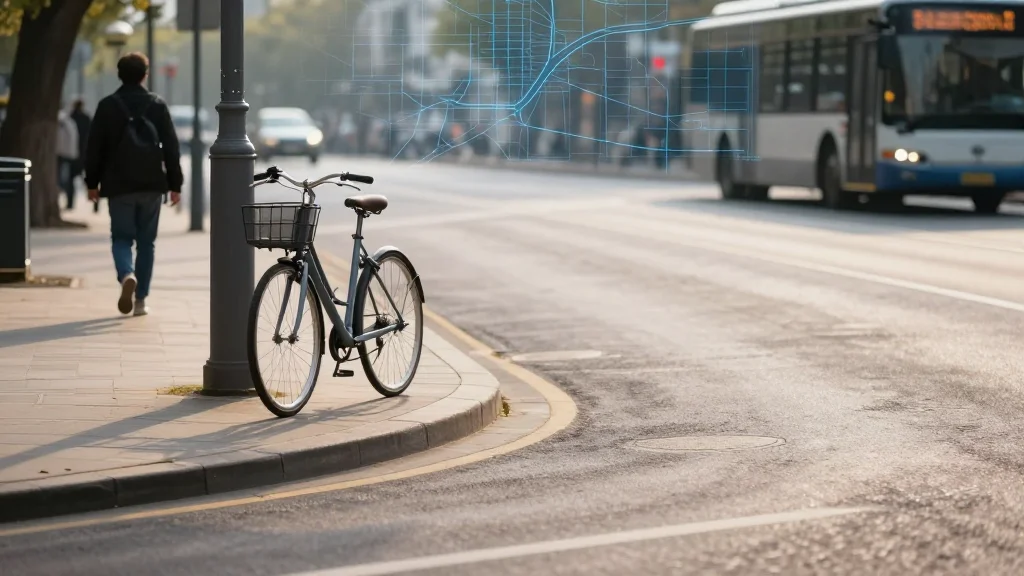
PA: City Survey to Find Out How People Move About the City, and What Would Make It Safer
Why It Matters
The data will steer Pittsburgh’s infrastructure spending toward safer, active‑transport options, supporting Complete Streets goals and unlocking potential state or federal funding. It also offers a roadmap for equitable mobility improvements across diverse neighborhoods.
Key Takeaways
- •Survey runs three months, results due by year‑end.
- •Partners include Carnegie Mellon, POGOH, Bike Pittsburgh, WTS, ASHE.
- •Incentives: free 30‑minute bikeshare ride and $25 gift‑card raffle.
- •Expected shift to more biking, walking, remote‑work commuting patterns.
- •Data will guide neighborhood‑specific bike lanes, sidewalks, lighting, transit enhancements.
Pulse Analysis
Urban mobility surveys have become a cornerstone for data‑driven city planning, and Pittsburgh is no exception. Building on earlier studies by the Green Building Alliance in 2015 and 2017, the Department of Mobility and Infrastructure is creating a living database that will be refreshed every three years. The initiative aligns with the city’s Complete Streets program, which mandates regular reporting to Council and encourages multimodal transportation solutions. By collaborating with academic and industry partners, the city ensures methodological rigor and community relevance.
The pandemic reshaped commuting habits, accelerating remote work and prompting a surge in active‑transport choices. Pittsburgh expects more residents to bike, walk, or use scooters for short trips, while public transit remains vital for longer commutes, especially after the successful NFL Draft park‑and‑ride experience. Safety enhancements—such as protected bike lanes, brighter sidewalks, and narrower intersections—could further boost these trends, reducing traffic injuries and encouraging healthier lifestyles. The survey’s incentives, including a complimentary POGOH ride and a $25 gift‑card raffle, aim to broaden participation across demographics.
For policymakers, the survey’s granular insights will pinpoint neighborhood‑specific needs, allowing targeted investments that maximize impact. Data‑backed proposals are more likely to attract state and federal grants earmarked for sustainable infrastructure. Moreover, the partnership network, featuring Carnegie Mellon and local advocacy groups, positions Pittsburgh to pilot innovative solutions and share best practices nationally. As the city analyzes results by year‑end, stakeholders can anticipate a roadmap that balances safety, equity, and economic growth through smarter mobility planning.
PA: City survey to find out how people move about the city, and what would make it safer
Comments
Want to join the conversation?
Loading comments...